Neurotoxins: Mechanisms, Classifications, and Effects on the Nervous System
Neurotoxins are a diverse class of substances that cause neurotoxicity, meaning they are destructive to nerve tissue. These chemical insults can be exogenous—originating from outside the body—or endogenous, where naturally occurring compounds within the body become toxic under abnormal conditions. While often dangerous, the ability of neurotoxins to target specific neural components makes them invaluable tools for scientists studying the complexities of the nervous system.
These substances can adversely affect both developing and mature nervous tissue. Some, such as glutamate and nitric oxide, are essential for normal bodily functions but become neurotoxic when they reach excessive concentrations.
![Neurotoxins can be found in a number of organisms, including some strains of cyanobacteria,[1] that can be found in algal blooms or washed up on shore in a green scum.[2]](/images/c0/43/c043adc346402ad14d5dc0d5ab428ecda02f733b3891417e0d5fa9c2168da899.jpg)
Key Facts
- Definition: Toxins that destroy or impair the function of nerve tissue.
- Primary Action: They typically disrupt ion concentrations across cell membranes or interfere with communication between neurons at the synapse.
- Scope: Can affect the central nervous system (CNS) and the peripheral nervous system (PNS).
- Sources: Found in nature (e.g., puffer fish, cyanobacteria), industrial materials (e.g., lead, mercury), and within the human body.
- Clinical Outcomes: May lead to intellectual disability, epilepsy, dementia, neuropathy, or myopathy.
How Neurotoxins Affect the Body
The primary mechanism of neurotoxicity involves the disruption of the neuron's ability to control ion concentrations across its cell membrane or the interruption of signaling between neurons across a synapse (the small gap where neurons communicate).
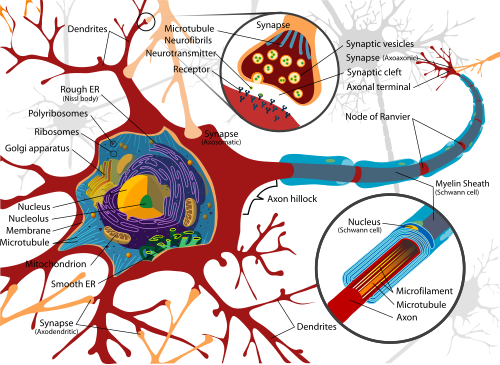
At a cellular level, exposure often results in excitotoxicity—a process where neurons are overstimulated to the point of damage—or apoptosis (programmed cell death). Damage is not limited to neurons; glial cells, which provide support and protection for neurons, can also be harmed.
On a macroscopic scale, the damage can manifest as widespread central nervous system impairment, including persistent memory loss, dementia, and intellectual disabilities. Damage to the peripheral nervous system often results in neuropathy (nerve damage) or myopathy (muscle disease). To mitigate these injuries, medical treatments often focus on the administration of antitoxins and antioxidants.
Classification of Neurotoxins by Mechanism
Neurotoxins are categorized based on the specific neural component they target. Many act as inhibitors, blocking the flow of essential ions or the release of chemical messengers.
Ion Channel Inhibitors
These toxins block the channels that allow ions to enter or exit the neuron, effectively silencing the cell's electrical activity.
- Sodium (Na) Channel Inhibitors: Examples include tetrodotoxin, found in puffer fish.
- Potassium (K) Channel Inhibitors: Examples include tetraethylammonium.
- Chloride (Cl) Channel Inhibitors: Examples include chlorotoxin.
- Calcium (Ca) Channel Inhibitors: Examples include conotoxin.


Synaptic and Receptor Interference
Some toxins prevent neurons from communicating by blocking the release of neurotransmitters or mimicking them to overstimulate the receiving cell.
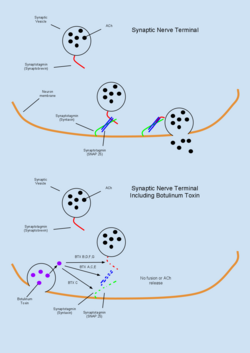
- Inhibitors of Synaptic Vesicle Release: Botulinum toxin (used in Botox) and tetanus toxin prevent the release of chemical signals.
- Receptor Antagonists: Substances like curare and bungarotoxin block receptors, preventing signals from being received.
- Receptor Agonists: Substances such as anatoxin-a and caramboxin mimic neurotransmitters to activate receptors.


Blood-Brain Barrier and Structural Disruptors
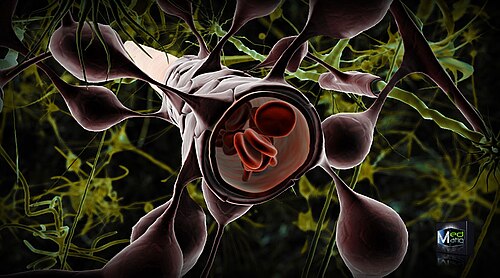
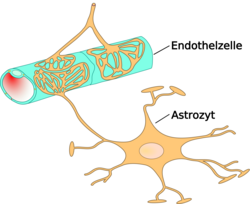
The blood-brain barrier is a protective layer of cells, including astrocytes, that prevents harmful substances from entering the brain. Some toxins specifically target or breach this barrier.
- BBB Inhibitors: Aluminium and mercury can compromise this protective shield.
- Cytoskeleton Interference: Ammonia and arsenic disrupt the internal structural framework of the cell.
- Calcium-mediated Cytotoxicity: Lead is a primary example of a toxin that triggers destructive calcium-related pathways.

Complex and Endogenous Neurotoxins
Certain substances do not have a single target but instead exert multiple effects on the nervous system. Ethanol (drinking alcohol), methanol, and n-hexane fall into this category. Ethanol, for instance, can lead to severe developmental issues, such as Fetal Alcohol Syndrome (FAS).

Additionally, the body produces its own potential neurotoxins. Nitric oxide, glutamate, and dopamine are essential for health but can become destructive if their concentrations become abnormally high.
| Neurotoxin | Primary Target/Mechanism | Common Source/Type |
|---|---|---|
| Tetrodotoxin | Sodium (Na) Channels | Puffer fish |
| Botulinum Toxin | Synaptic Vesicle Release | Exogenous (Bacterial) |
| Lead | Calcium-mediated Cytotoxicity | Environmental/Industrial |
| Glutamate | Receptor Overstimulation | Endogenous |
| Mercury | Blood-Brain Barrier | Environmental/Industrial |
| Ethanol | Multiple Effects | Exogenous (Alcohol) |
Frequently Asked Questions
What is the difference between exogenous and endogenous neurotoxins?
Exogenous neurotoxins come from outside the body, such as lead from pipes or tetrodotoxin from a puffer fish. Endogenous neurotoxins are substances produced naturally within the body, like glutamate, which only become toxic when present in excessive amounts.
How do neurotoxins cause permanent brain damage?
They can cause damage through excitotoxicity (overstimulating neurons until they die), apoptosis (programmed cell death), or by destroying glial cells. This can lead to macroscopic issues like dementia or intellectual disabilities.
What is the role of the blood-brain barrier in neurotoxicity?
The blood-brain barrier acts as a filter to keep toxins out of the brain. Some neurotoxins, such as mercury and aluminium, are particularly dangerous because they can inhibit or breach this barrier, allowing other harmful substances to enter the central nervous system.
Can neurotoxins be used for medical purposes?
Yes. Because they target specific neural components, they are used in scientific research to understand how the nervous system works. A well-known medical application is botulinum toxin (Botox), which inhibits the release of synaptic vesicles to relax muscles.