Torrontés: Argentina's Signature Aromatic White Grape
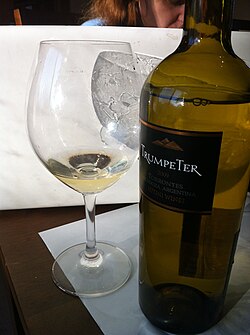
Torrontés is a white grape variety that has become synonymous with the vineyards of Argentina. Known for producing fresh, aromatic wines, it is celebrated for its smooth texture, moderate acidity, and a distinctive nose reminiscent of peach and apricot. While it may be viewed as a single variety by many consumers, Torrontés actually encompasses a group of distinct grapes that contribute to the diversity of South American viticulture.
Most wines labeled simply as "Torrontés" are made from Torrontés Riojano, the most prestigious and widely planted of the group. These wines are prized for their floral bouquets and are often compared to Muscat or Gewürztraminer for their intense aromatic profiles.
Key Facts
- Primary Origin: Argentina, where it is the most widely planted white variety as of 2008.
- Main Varieties: Torrontés Riojano, Torrontés Sanjuanino, and Torrontés Mendocino.
- Flavor Profile: High aromatics with notes of peach, apricot, and floral scents.
- Genetic Heritage: A crossing of Muscat of Alexandria and the Mission grape (Criolla Chica).
- Ideal Climate: Thrives in cold, dry, and windswept conditions, particularly at high altitudes.
The Three Varieties of Argentine Torrontés
All three Argentine Torrontés varieties belong to the Criollas group—a term used for cultivars of the European grapevine Vitis vinifera that are believed to have originated in the Americas. While they share similarities, they possess distinct physical and aromatic characteristics.
Torrontés Riojano
The most common and aromatic of the three, Torrontés Riojano produces large, loose bunches of pale grapes. It is the primary variety used in high-quality Argentine white wines and is noted for its Muscat-like fragrance.
Torrontés Sanjuanino
Similar in appearance to Riojano with large, loose bunches, this variety is less aromatic and less widely planted than its Riojano counterpart.
Torrontés Mendocino
The rarest of the three, Torrontés Mendocino is characterized by smaller, tighter bunches of darker yellow grapes. It is the least aromatic of the group.
Genetic History and Misconceptions
For decades, it was widely believed that Argentine Torrontés was the same variety as the Torrontés (Albillo Mayor) grape from Galicia, Spain. This theory was supported by the historical migration of Galician workers to Argentina. However, modern DNA profiling has debunked this link, showing no direct relationship between the Spanish and South American varieties.
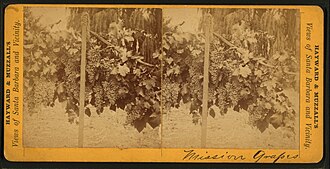
Research reveals that Torrontés Riojano, Torrontés Sanjuanino, and Torontel (Moscatel Amarillo) are all separate crossings of Muscat of Alexandria and the Mission grape (also known as Criolla Chica). Torrontés Mendocino is believed to be a crossing of Muscat of Alexandria and an as-yet unidentified variety.
Regional Distribution and Viticulture
Torrontés has seen a steady increase in acreage, driven by growing exports to the United Kingdom and the United States. By the early 21st century, it surpassed Pedro Giménez and Ugni blanc to become Argentina's most planted white grape.
The Heartlands of Argentina
The grape has found specific niches across different provinces:
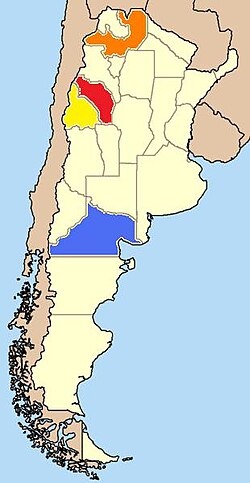
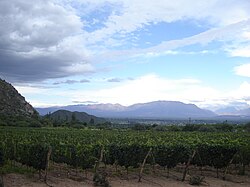
- Salta: In the northwest, the grape thrives in sandy vineyards at altitudes often exceeding 1,600 meters (5,200 feet). The harsh, windswept conditions of the Calchaquíes Valleys help the grapes maintain high acidity and assertive flavors.
- La Rioja: Torrontés Riojano is the most widely planted variety of any color in this province.
- San Juan: This arid region is the primary home of Torrontés Sanjuanino, though it is planted less extensively than Riojano.
- Rio Negro: The southern province where Torrontés Mendocino is most commonly found.
Beyond Argentina
Torrontés is also grown in Bolivia (specifically in Samaipata) and Chile. In Chile, it is often referred to as Moscatel de Austria (believed to be Torrontés Sanjuanino) or Torontel. According to expert Oz Clarke, much of the Torrontés Riojano grown in Chile is used to produce pisco, a regional brandy.
Wine Style and Quality
The quality of Torrontés wine is heavily dependent on careful vinification and harvest yields. When produced with skill, these wines are light, high in acidity, and intriguingly aromatic. However, poor examples can result in wines that are excessively alcoholic or bitter.
Experts note that while the aroma is often linked to Muscat, some examples exhibit subtle spice notes similar to Gewürztraminer. Because these wines do not age well, they are typically intended for early consumption, often within a year of the vintage date.
| Variety | Bunch Characteristics | Aromatic Intensity | Primary Region |
|---|---|---|---|
| Torrontés Riojano | Large, loose, pale | Highest (Muscat-like) | Salta & La Rioja |
| Torrontés Sanjuanino | Large, loose, pale | Moderate | San Juan |
| Torrontés Mendocino | Small, tight, dark yellow | Lowest | Rio Negro |
Frequently Asked Questions
Is Argentine Torrontés related to the Spanish Torrontés?
No. Despite a long-held belief that they were the same, DNA evidence shows there is likely no direct relationship between the Argentine varieties and the Galician variety (Albillo Mayor) from Spain.
What does Torrontés wine taste like?
It is known for being a fresh, aromatic white wine with a smooth mouthfeel and moderate acidity. The nose typically features distinctive scents of peach, apricot, and floral notes.
Which Torrontés variety is the most common?
Torrontés Riojano is the most widely planted and the most aromatic of the three, and it is the variety used for the majority of wines labeled simply as "Torrontés."
How should Torrontés wine be consumed?
Torrontés is generally intended for early drinking. Because it does not age well, it is recommended to consume it within a year of its vintage date.
What are the parent grapes of Torrontés Riojano?
DNA profiling indicates that Torrontés Riojano is a crossing of the Muscat of Alexandria and the Mission grape (also known as Criolla Chica).