Argentine Wine: History, Regions, and the Rise of Malbec
Argentina stands as the fifth largest wine producer globally, boasting a viticultural heritage that blends colonial influence with European immigration. While the roots of the industry trace back to Spanish colonization, the mass consumption and production of wine were solidified by waves of Spanish and Italian immigrants who brought their Mediterranean dietary habits and winemaking expertise to the Southern Hemisphere.
For much of its history, the Argentine wine industry prioritized quantity over quality, serving primarily as a domestic product. However, a strategic shift in the 1990s toward export-quality production transformed the landscape. Today, Argentina is the largest wine exporter in South America, a growth further accelerated by the 2002 devaluation of the peso, which lowered production costs and sparked a surge in enotourism (wine-themed tourism).
![Official logo for Vino Argentino Bebida Nacional ("Argentine Wine National Liquor")[1]](/images/29/ed/29edfe33c6699d05905fdef3d6ce06e381a1ff869dd3d4a99210b0a96f0fe21e.jpg)
Key Facts
- Global Standing: Argentina is the world's fifth largest wine producer.
- Signature Grape: Malbec is the most renowned red variety, known for deep color and velvety texture.
- Primary Region: Mendoza remains the leading production hub.
- Unique Geography: Many vineyards are located at extreme altitudes, some exceeding 3,000 meters.
- Water Source: Viticulture relies heavily on irrigation from melting Andean snow caps.
The Evolution of Argentine Viticulture
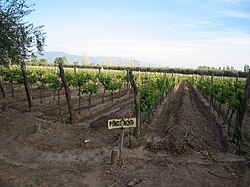
The history of Argentine wine began in 1557 when Jesuit missionaries established the first commercial vineyard in Santiago del Estero. Production soon expanded to Mendoza in the 1560s and San Juan by the late 16th century. To sustain these crops in an arid environment, early settlers constructed sophisticated dams and irrigation channels to divert glacial meltwater from the Andes.
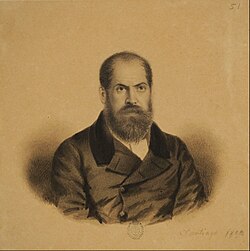
A pivotal moment occurred when provincial governor Domingo Faustino Sarmiento commissioned French agronomist Miguel Aimé Pouget to import grapevine cuttings from France. These cuttings included the first Malbec vines, which would eventually become the symbol of Argentine wine.
Climate and Geography
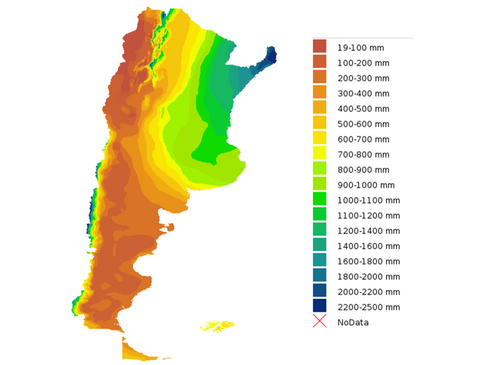
Most of Argentina's major wine regions are situated in the western foothills of the Andes, between the Tropic of Capricorn and the 40th parallel south. The environment is characterized by a semi-arid (dry) desert-like climate, where annual rainfall rarely exceeds 250 mm (10 inches).
In warmer regions like Catamarca, La Rioja, and San Juan, daytime summer temperatures can soar above 40°C (104°F), while nighttime temperatures may drop to 10°C (50°F). This wide diurnal temperature variation (the difference between day and night temperatures) is crucial for grape development and flavor concentration.
Major Wine Regions
Mendoza
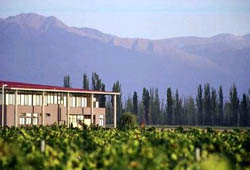
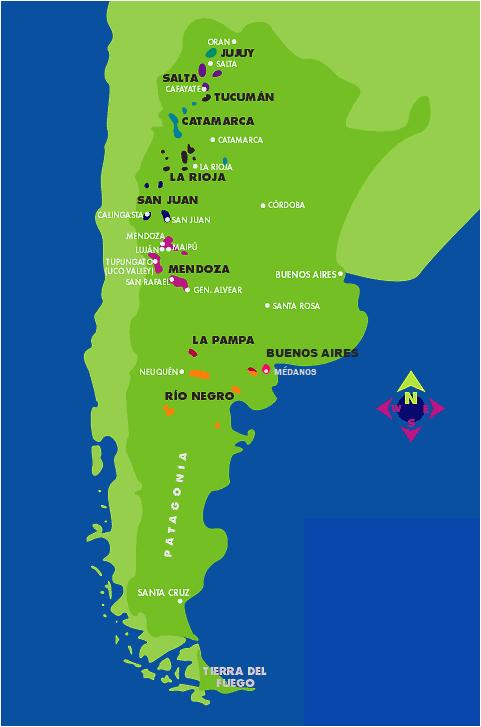
Mendoza is the powerhouse of Argentine wine. Despite a reduction in total planted area between 1980 and 2003, it remains the leading producer. The region is world-famous for its high-altitude plantings in Luján de Cuyo and the Uco Valley, where vineyards sit between 850 and 1,520 meters.
Vintner Nicolas Catena Zapata is credited with elevating the region's status through high-altitude experimentation. In 1994, he established the Adrianna Vineyard at nearly 1,500 meters, proving that altitude could enhance the quality and clonal selection of Malbec.
San Juan and La Rioja
San Juan is the second largest producer, characterized by a hotter, drier climate than Mendoza. While it produces premium Syrah and Bonarda (locally known as Douce noir), it is also noted for brandies, vermouth, and sherry-style wines. The Cereza vine is commonly used here for blending and raisins.
La Rioja holds the longest continuous history of production in the country. Though smaller in scale, it is celebrated for aromatic wines made from Moscatel de Alexandrias and the local sub-variety Torrontés Riojano.
Northwestern Regions
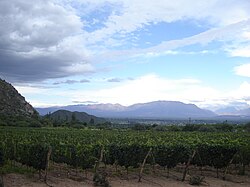
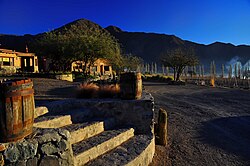
The provinces of Catamarca, Jujuy, and Salta host some of the highest vineyards in the world. Bodega Colomé in Salta operates vineyards at elevations of 2,250 and 3,000 meters—far exceeding the typical 900-meter limit of European vineyards. These high elevations produce grapes with higher total acidity, adding balance and depth to the resulting wines.
Patagonia
In the south, the Río Negro and Neuquén regions offer a cooler climate and chalky soils, allowing for a longer growing season. This region specializes in cool-climate varietals such as Pinot noir and Chardonnay. Patagonia is also a primary source of grapes for the Argentine sparkling wine industry, with Bodega Weinert marking the southernmost planted vineyards in the Americas.
Grape Varieties and Wine Profiles
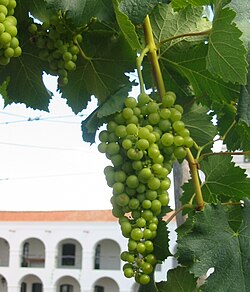
While Malbec originated in Southwest France, it has found its greatest notoriety in Argentina. Argentine Malbec is distinguished by smaller berries and tighter clusters than its French counterparts, resulting in wines with intense fruity flavors and a velvety texture.
Other significant varieties include:
- Cabernet Sauvignon: Increasingly popular as both a varietal and a blending partner.
- Syrah: Growing rapidly in popularity, particularly in San Juan.
- Pedro Giménez: The most widely planted white grape, used for full-bodied wines and grape concentrate.
- Torrontés Riojano: A highly aromatic white grape central to the identity of the northwest and La Rioja.
| Region | Key Varietals | Defining Characteristics |
|---|---|---|
| Mendoza | Malbec, Cabernet Sauvignon | High altitude, leading producer, Uco Valley. |
| San Juan | Syrah, Bonarda, Cereza | Hot and dry; known for brandies and sherry-style wines. |
| La Rioja | Torrontés Riojano, Moscatel | Longest history of production; aromatic whites. |
| Northwest (Salta/Catamarca) | Torrontés, Cabernet Sauvignon, Tannat | Extreme altitude (up to 3,000m), high acidity. |
| Patagonia | Pinot noir, Chardonnay | Cool climate, chalky soils, sparkling wine source. |
Frequently Asked Questions
Why is Malbec so important to Argentina?
Although it originated in France, Malbec flourished in Argentina's specific climate and soil. It has become the country's signature grape, prized for its deep color, velvety texture, and intense fruit flavors.
How does altitude affect Argentine wine?
High-altitude vineyards, particularly in Mendoza and Salta, experience higher UV radiation and greater diurnal temperature swings. This typically results in grapes with higher acidity and more concentrated flavors, improving the wine's balance and depth.
How do vineyards survive in a semi-arid desert climate?
Argentine viticulture relies on an extensive system of irrigation. Water is sourced from the melting snow caps and glaciers of the Andes Mountains and transported to the vineyards via channels and dams.
What is Torrontés Riojano?
Torrontés Riojano is a local sub-variety of the Torrontés grape. It is highly aromatic and is the primary grape used to produce the full-bodied white wines of the La Rioja and Salta regions.
What is the difference between Argentine and French Malbec?
Argentine Malbec clusters generally have smaller berries and are more tightly packed than those found in France, which contributes to the distinct profile of the Argentine wine.