Temple of Taffeh: An Ancient Egyptian Treasure in the Netherlands
The Temple of Taffeh stands as a remarkable testament to ancient history and international cooperation. While its origins lie in the sands of Egypt, this ancient Roman Egyptian temple now finds its home in the Rijksmuseum van Oudheden in Leiden, the Netherlands. As one of the few ancient Egyptian architectural works relocated outside of Egypt, it offers a unique window into a bygone era of cultural fusion.
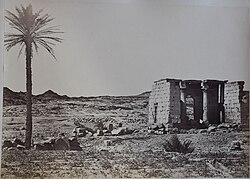
A Legacy of Rescue and Gratitude
The presence of the temple in Europe is the result of a massive international effort known as the International Campaign to Save the Monuments of Nubia. In 1960, the construction of the Aswan High Dam threatened to submerge numerous archaeological sites and monuments in Nubia—including the famous Abu Simbel—under the rising waters of the reservoir.
In response to a UNESCO plea, nations around the world contributed to the rescue of these sites. As a gesture of gratitude for this significant assistance, the Egyptian government donated several monuments to participating countries. The Netherlands received the Temple of Taffeh, a process facilitated by Adolf Klasens, a Dutch Egyptologist and the director of the Rijksmuseum van Oudheden.
Architectural Origins and Design
Originally constructed between 25 BCE and 14 CE during the reign of the Roman Emperor Augustus, the temple served as part of the Roman fortress known as Taphis. Built primarily from sandstone, the structure measures approximately 6.5 by 8 metres (21 ft × 26 ft).
Structural Details
The temple's design showcases classic Ancient Egyptian architectural styles adapted during the Roman period. Key features include:
- Columns: The north temple features two front columns formed by square pillars with engaged columns on all four sides.
- Interior: The rear wall of the temple interior contains a dedicated statue niche.
- Inscriptions: The walls bear historical markings, including a Greek inscription and a Christian cross.
The reconstruction of the temple in the Netherlands was a massive engineering feat. It consists of 657 sandstone blocks, with a total weight of approximately 250 tons. After arriving in the Netherlands in 1979, the temple was meticulously rebuilt within a new wing of the museum.
The museum designed the new structure specifically to protect the ancient stone from the Dutch climate while utilizing natural light to illuminate the site. Great care was taken to ensure that only a minimal number of damaged stones required replacement during the assembly.
Key Facts
- Original Location: Taphis, Egypt (Nubia region).
- Current Location: Rijksmuseum van Oudheden, Leiden, Netherlands.
- Construction Period: 25 BCE – 14 CE (Roman era).
- Material: Sandstone (657 blocks weighing ~250 tons).
- Reason for Relocation: Protection from the Aswan High Dam reservoir.
Comparison of Rescued Temples
The Temple of Taffeh is part of a select group of monuments gifted by Egypt to nations that aided the UNESCO rescue campaign.
| Temple Name | Current Location | Country |
|---|---|---|
| Temple of Debod | Madrid | Spain |
| Temple of Dendur | Metropolitan Museum of Art | United States |
| Temple of Taffeh | Rijksmuseum van Oudheden | Netherlands |
| Temple of Ellesyia | Museo Egizio | Italy |
Frequently Asked Questions
Why was the temple moved from Egypt to the Netherlands?
The temple was moved to prevent it from being destroyed by the rising waters of the reservoir created by the construction of the Aswan High Dam. It was donated to the Netherlands as thanks for participating in the international rescue campaign.
When was the Temple of Taffeh built?
The temple was built between 25 BCE and 14 CE during the rule of the Roman emperor Augustus.
What is the architectural style of the temple?
The temple is built in the Ancient Egyptian architectural style, specifically reflecting the Roman Egyptian period.
How heavy is the temple?
The temple is composed of 657 sandstone blocks that weigh approximately 250 tons in total.
Can I see the temple in Leiden without paying for admission?
Yes, the museum designed the new wing so that visitors can view the temple before having to pay for museum admission.