Taxonomic Treatment: The Foundation of Biological Data and Biodiversity Research
In the vast field of biological science, the ability to identify and categorize life depends on a fundamental building block: the taxonomic treatment. A taxonomic treatment is a specific section within a scientific publication that documents the features of a related group of organisms, known as taxa. Since the dawn of modern taxonomy—established by Linnaeus in 1753 for plants and 1758 for animals—every scientifically described taxon has required at least one such treatment to establish its identity.
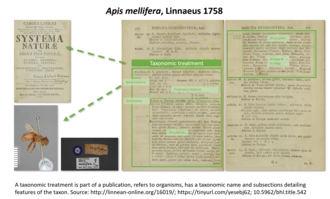
While traditionally found in printed volumes, the digital age has transformed how these descriptions are managed. Today, a taxonomic treatment is more than just text; it is a structured unit of data designed to be FAIR (Findable, Accessible, Interoperable, and Reusable).
Key Facts
- Every scientifically described taxon must have at least one taxonomic treatment.
- Modern treatments use digital tags to ensure data is FAIR.
- Taxonomic treatments are considered data and are not subject to copyright.
- The TreatmentBank service provides access to over 500,000 taxonomic treatments.
- A persistent DataCite Digital Object Identifier (DOI) is minted for treatments in the Biodiversity Literature Repository.
The Evolution of Taxonomic Data
The term "taxonomic treatment" was specifically coined to resolve linguistic ambiguity. In biological literature, the word "description" can be confusing because it has two distinct meanings. One refers to the entire treatment itself, while the second refers to a specific subsection within that treatment that describes the taxon, complementing other sections like diagnosis, materials examined, distribution, and conservation status.
From Print to Digital: The Rise of TaxPub
The transition from unstructured text to machine-readable data began with a national US NSF digital library project. This initiative led to the development of TaxPub, a taxonomy-specific version of the Journal Article Tag Suite. Developed through a collaboration between Plazi, the National Center for Biotechnology Information (NCBI), and Pensoft Publishers, TaxPub allows for precise digital marking of taxonomic information.
Several prominent journals have adopted this standard to accelerate research. ZooKeys was a pioneer, adopting TaxPub from its 50th volume onward, followed by PhytoKeys. Today, the standard is utilized by the European Journal of Taxonomy, the Consortium of European Taxonomic Facilities (CETAF), and the National Museum of Natural History in France.
Making Biodiversity Data FAIR
To ensure that scientific evidence is useful for both humans and machines, the Biodiversity Literature Repository (BLR) implements specialized digital workflows. When a treatment is deposited, a persistent DataCite Digital Object Identifier (DOI) is minted. This DOI acts as a permanent link between a taxonomic name and the specific scientific evidence provided by the authors, including metadata about the source publication and cited figures.
| Feature | Function/Benefit |
|---|---|
| TaxPub Tagging | Delimits sections to make data findable and interoperable. |
| DataCite DOI | Provides a persistent link to scientific evidence and metadata. |
| TreatmentBank | Converts publications into FAIR data for large-scale access. |
| Copyright Status | Treatments are treated as data, allowing access even from closed publications. |
The Role of TreatmentBank and Plazi
The TreatmentBank service, maintained by Plazi, plays a critical role in converting complex, often unstructured PDF-based publications into high-quality FAIR data. This service currently provides access to over 500,000 taxonomic treatments. In 2020 alone, the service included more than 7,700 treatments for newly described species. These records undergo rigorous quality control to remove artifacts caused during the conversion process before they are fully integrated into the BLR.
Frequently Asked Questions
What is the difference between a description and a treatment?
In taxonomy, "description" can refer to the entire taxonomic treatment or a specific subsection within that treatment that details the organism's characteristics.
Are taxonomic treatments protected by copyright?
No. Because taxonomic treatments are considered scientific data, copyright does not apply to them. This allows them to be made available even if they originate from closed-access publications.
How does a DOI help in taxonomy?
A DataCite DOI provides a permanent, clickable link that connects a taxonomic name directly to the scientific evidence and metadata provided by the original authors.
What is TaxPub?
TaxPub is a specialized version of the Journal Article Tag Suite designed specifically for taxonomic descriptions, allowing for better digital organization and machine readability.
Why is quality control necessary for digital treatments?
Converting unstructured PDF documents into structured data is a complex process that can create errors or "artifacts." Quality control ensures the data remains accurate for scientific use.