The Common Lilac: A Complete Guide to Syringa vulgaris
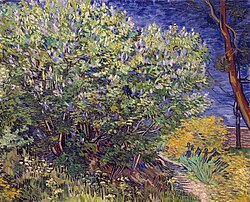
Few scents are as evocative of early summer as the sweet, heady fragrance of the common lilac. Known scientifically as Syringa vulgaris, this stunning flowering plant is a staple of gardens across the Northern Hemisphere. A member of the Oleaceae (olive) family, the lilac is cherished not only for its aromatic blooms but also for its hardy nature and historical significance in horticulture.
Key Facts
- Scientific Name: Syringa vulgaris
- Conservation Status: Least Concern (IUCN 3.1)
- Native Range: Southern Balkan Peninsula
- Maximum Height: 6–7 metres (20–23 ft)
- Flower Colors: Lilac, mauve, and white
- State Symbol: Official state flower of New Hampshire, USA
Botanical Description
The common lilac is a large deciduous shrub—meaning it sheds its leaves annually—or a small tree with multiple stems. Over several decades, it can form a small clonal thicket, reaching heights of 6 to 7 metres. Its bark transitions from smooth on young stems to a gray-brown, longitudinally furrowed, and flaking texture as the plant matures.
The foliage consists of simple, light green to glaucous (waxy blue-gray) leaves. These leaves are cordate (heart-shaped), measuring 4–12 cm in length, and are typically arranged in opposite pairs. The plant is most famous for its flowers, which feature a tubular base and a four-lobed apex. These blooms grow in dense, terminal panicles (branched flower clusters) that can reach up to 18 cm in length. Once the flowering period ends, the plant produces small, brown, two-winged seeds contained within a dry capsule.
Origin, Distribution, and Habitat
Syringa vulgaris is native to the southern Balkan Peninsula, specifically in regions including Serbia, Bulgaria, and North Macedonia, primarily south of the Danube. In its natural habitat, it is typically found growing on rocky hills.
Due to its ornamental value, the lilac has been widely cultivated and naturalized throughout Europe, Asia, and North America. While it can be found in the wild in scattered locations—often near old or current human settlements—it is not considered an aggressive or invasive species.
Cultivation and Garden Care
Lilacs are popular in parks and gardens because they bloom in early summer, often just before roses. To maintain a healthy shrub, gardeners often employ deadheading—the process of removing faded flower clusters before seeds form—which encourages more profuse flowering in subsequent years.
While generally hardy, lilacs can be susceptible to powdery mildew (specifically Erysiphe syringae), a fungal disease that appears as a white powdery coating on leaves in late summer. Additionally, because some varieties are sensitive to late spring frosts, hybrids like Syringa × prestoniae were developed to bloom later, protecting the buds from cold snaps.
A Journey Through Garden History
The introduction of lilacs to Northern Europe began in the late 16th century. Cuttings were brought from Ottoman gardens, with the Holy Roman Emperor's ambassador, Ogier Ghiselin de Busbecq, credited with providing specimens to the Dutch horticulturist Carolus Clusius around 1562. By 1597, the herbalist John Gerard noted that lilacs were growing in "very great plenty."
In North America, lilacs arrived in the 18th century. They became so integrated into the landscape that the state of New Hampshire adopted the lilac as its state flower, citing it as a symbol of the "hardy character" of its citizens. In modern times, the plant has also found a niche in the art of bonsai, where it is prized for its multi-stemmed structure and fragrant flowers.
Cultivars and Varieties
Many garden lilacs are cultivars (cultivated varieties), which are often smaller than the wild species, typically topping out at 4–5 metres. A significant leap in variety occurred between 1876 and 1927, when French nurseryman Victor Lemoine introduced over 153 named cultivars. These "French lilacs" introduced deeper colors and "double-flowered" versions, where stamens are replaced by extra petals.
The Royal Horticultural Society (RHS) grants an Award of Garden Merit (AGM) to exceptional varieties. Notable winners include:
- Single Flowers: 'Andenken an Ludwig Späth' (deep pink/red), 'Firmament' (pale lilac-blue), and 'Vestale' (pure white).
- Double Flowers: 'Madame Lemoine' (white), 'Katherine Havemeyer' (lilac), and 'Primrose' (pale yellow).
Practical Uses
Beyond their aesthetic and aromatic appeal, the flowers of the common lilac are edible. They are frequently used to flavor sugars, honeys, and various sweets.
Summary Profile: Syringa vulgaris
| Feature | Details |
|---|---|
| Family | Oleaceae |
| Native Region | Balkan Peninsula |
| Growth Habit | Deciduous shrub or small tree |
| Flower Type | Tubular, arranged in panicles |
| Common Pests | Powdery mildew (Erysiphe syringae) |
| Primary Use | Ornamental, edible flowers, bonsai |
Frequently Asked Questions
What does the name "vulgaris" mean in the scientific name?
In Latin, the specific epithet vulgaris means "common," referring to the species being widespread.
Are lilac flowers safe to eat?
Yes, the flowers of the common lilac are edible and are often used to flavor sweets, sugars, and honeys.
How can I encourage my lilac to bloom more often?
You can improve flowering by deadheading the flower clusters after the color fades but before seeds form. Additionally, pruning twiggy growth back to a strong, outward-growing side shoot can help.
Why do some lilacs have "double" flowers?
Double flowers are often "sports" (natural genetic mutations) where the stamens of the flower have been replaced by extra petals, a trait popularized by the cultivars developed by Victor Lemoine.
What is the significance of the lilac in New Hampshire?
The lilac is the official state flower of New Hampshire, chosen because it symbolizes the hardy character of the state's residents.
What is powdery mildew and how does it affect lilacs?
Powdery mildew, specifically Erysiphe syringae, is a fungal infection that typically attacks lilacs in late summer, appearing as a white powdery substance on the foliage.