Syria Phoenice: The Roman Province of the Levant
The province of Syria Phoenice (Latin: Syria Phoenīcē; Koine Greek: hē Phoinī́kē Syría) was a critical administrative division of the Roman Empire that encompassed the historical region of Phoenicia. Established in 194 AD, this province served as a strategic hub in the Levant, bridging the gap between the Mediterranean coast and the interior deserts of the East.
For centuries, the region was a center of trade, law, and culture, eventually evolving through various administrative shifts until it was divided in the late 4th century. Its legacy persists today across the modern territories of Lebanon, Syria, and Israel.
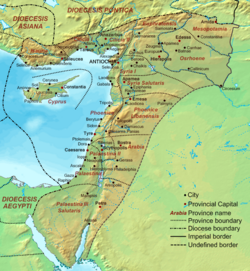
Key Facts
- Established: c. 194 AD by Emperor Septimius Severus.
- Capitals: Tyrus (Tyre) served as the primary capital; Emesa served as a co-capital from 218–222 AD.
- Preceded by: Roman Syria.
- Succeeded by: Phoenice Paralia (Phoenice proper) and Phoenice Libanensis (after c. 392 AD).
- Key Cities: Tyre, Berytus (Beirut), Sidon, Emesa, and Palmyra.
Administrative History and Creation
From Syria to Syria Phoenice
Phoenicia first came under Roman control in 64 BC when Pompey created the province of Syria. While it was briefly granted to Ptolemaic Egypt between 36 and 30 BC, it remained part of the larger Syrian province for nearly two centuries. Emperor Hadrian considered dividing the oversized province around 123–124 AD, but the actual split did not occur until the reign of Septimius Severus.
Around 194 AD, Septimius Severus divided the territory into Syria Coele in the north and Syria Phoenice in the south. This new province was expansive, incorporating not only the coastal Phoenician cities but also inland centers such as Emesa and Palmyra, as well as the military base of the Legio III Gallica in Raphanaea.
The Rise of Tyrus and Emesa
The selection of the capital was influenced by the political turmoil of the era. During a civil war following the death of Commodus, the cities of Berytus and Sidon supported Pescennius Niger, while Tyrus remained loyal to Septimius Severus. In gratitude for this loyalty, Severus designated Tyrus as the capital and granted it the rank of colonia (a Roman colony with special privileges).
Later, Emperor Elagabalus, a native of Emesa, elevated his hometown to co-capital status between 218 and 222 AD. These two cities remained rivals for provincial leadership until the administrative restructuring of the 4th century.
Governance and the Influence of Libanius
Much of what is known about the governors of Syria Phoenice comes from the correspondence of Libanius, a renowned orator in Antioch. His letters reveal the complex relationship between provincial administrators and the local elite.
Notable Governors
The province was managed by various officials, often titled consularis or praeses. Some notable figures include:
- Andronicus (360–361 AD): A former student of Libanius known for his incorruptibility and efforts to eliminate judicial abuses.
- Gaianus (362–363 AD): A native of Tyre and graduate of the Law School of Berytus, highly regarded by Libanius.
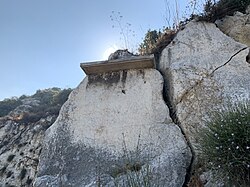
- Proculus (382–383 AD): An open pagan who commissioned a significant road through the mountains near Berytus.
Libanius's letters often praised the region's natural wealth, specifically its fertility, seasonal harmony, and the prestigious production of purple dye.
Administrative Challenges
Governance was not without hardship. In 365 AD, during the tenure of governor Domninus, a massive tsunami triggered by the Crete earthquake devastated the coastal cities of Tyre and Sidon.
Economy and Infrastructure
Trade and Price Controls
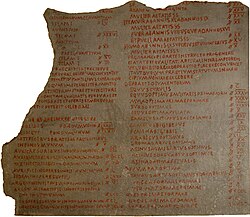
The economic activity of the province was significant enough to be included in the Edict on Maximum Prices issued by Emperor Diocletian in 301 AD. This edict attempted to curb inflation by setting price ceilings on goods and services, including sailing costs from Nicomedia to Berytus.
Coinage and Mints
The province maintained its own monetary presence. A Roman mint operated in Tripolis from approximately 273/274 AD until 286/287 AD. Additionally, bronze coins were struck at Heliopolis during the reign of Philip I the Arab to honor the Fifth Macedonia and Eighth Augusta legions.
Provincial Division and Legacy
The administrative map of the region continued to shift. Emperor Diocletian separated the district of Batanaea to give it to Arabia, and Constantine the Great created the province of Augusta Libanensis from the eastern half of the territory. Finally, around 392 AD, Syria Phoenice was split into Phoenice Paralia (the coast) and Phoenice Libanensis (the mountains). This structure remained until the Muslim Arab conquests in the 630s.
| Feature | Details |
|---|---|
| Period of Existence | c. 194 AD – c. 392 AD |
| Primary Capital | Tyrus (Tyre) |
| Key Economic Product | Purple Dye |
| Major Legal Center | Law School of Berytus |
| Final Division | Phoenice Paralia and Phoenice Libanensis |
Frequently Asked Questions
Who created the province of Syria Phoenice?
The province was officially created around 194 AD by Emperor Septimius Severus, who divided the larger province of Roman Syria into Syria Coele and Syria Phoenice.
Why was Tyre chosen as the capital?
Tyre was chosen as the capital because it remained loyal to Septimius Severus during a civil war, while other cities like Berytus and Sidon supported his rival, Pescennius Niger.
What was the significance of Berytus in the province?
Berytus (modern-day Beirut) was a prominent Roman colony and home to a prestigious Law School, from which many provincial officials, including Governor Gaianus, graduated.
How was the province eventually divided?
Around 392 AD, the province was split into two smaller entities: Phoenice Paralia (the coastal region) and Phoenice Libanensis (the inland/mountainous region).
What economic records exist for the province?
Economic data is preserved in the Edict on Maximum Prices (301 AD), which lists sailing times and costs to Berytus, and through the existence of a Roman mint in Tripolis.