Scottish Cities: A History of Royal Burghs and Capital Seats
Scotland currently recognizes eight cities, each with a unique trajectory from early settlements to official urban status. While Edinburgh serves as the capital and Glasgow stands as the most populous, the journey toward city status has evolved over centuries—moving from the granting of royal burghs by medieval kings to modern competitive bids tied to royal jubilees.
Key Facts
- Eight Cities: Scotland has eight officially recognized cities.
- Population Leader: Glasgow is the most populous city in the country.
- Capital Evolution: The royal seat shifted from Forteviot to Scone, and finally to Edinburgh in 1437.
- Royal Burghs: Many cities began as burghs (towns granted specific trading privileges) under kings like David I and William the Lion.
- Modern Expansion: New city status has been awarded since 2000 to Inverness, Stirling, Perth, and most recently, Dunfermline.
The Evolution of the Scottish Capital
Before Edinburgh became the definitive center of power, the royal residence moved across the landscape based on defense and political needs. The annals of Ulster identify Forteviot as the home of Pictish kings Causantín mac Fergusa and Kenneth MacAlpin. However, after the Danes destroyed Forteviot, the Picts relocated across the river Tay to establish Scone, which offered a more defensible position.
Scone held immense symbolic importance. In 906, Causantín mac Áeda held the first recorded council there, and by 1249, Alexander III became the first King of Scots to be crowned at Scone rather than simply enthroned. It was regarded as the sedes superior, or the principal seat of Scotland, likely remaining the capital until the reign of Malcolm III.
The shift to Edinburgh occurred in 1437. The city's name derives from the old Celtic Eidyn (area) and burgh (fortress). While inhabited as far back as 8500 BC by Welsh-speaking Celtic Britons, it came under Scottish rule around 960 CE. Following the death of James I in 1437, James II moved the royal court from Perth to Edinburgh, which James III later described as the "principal burgh of our kingdom."
Understanding City Status and Royal Burghs
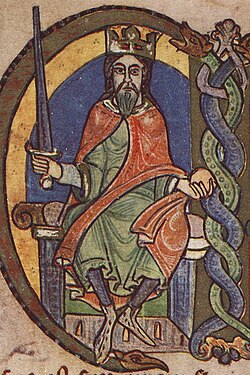
In the medieval period, Scottish kings granted towns the status of burghs or royal burghs. This was a key part of the feudalization process introduced by David I upon his ascension in 1124. For example, Edinburgh, Stirling, and Perth were all established as royal burghs around 1124.
Over time, these burghs were elevated to city status through royal charters or letters patent (legal instruments issued by a monarch). Glasgow was recognized as a burgh in 1175 by William the Lion and confirmed as a city and barony in 1476 by James III. Similarly, Dundee became a royal burgh around 1191 and was granted city status by Queen Victoria in 1889.
Modern City Awards
In recent decades, city status has been awarded through a bidding process often coinciding with royal milestones, such as millennium celebrations or jubilees. Since 2000, the list of Scottish cities has expanded to include:
- Inverness: Awarded city status in 2000.
- Stirling: Awarded city status in 2002.
- Perth: Regained city status in 2012 after having lost it during a 1975 local government reorganization.
- Dunfermline: The newest addition, awarded city status in 2022.
Comparative Overview of Scottish Cities
The following table summarizes the key characteristics, historical recognition, and religious foundations of Scotland's eight cities.
| City | Gaelic Name | Year Granted/Confirmed | Key Religious Site |
|---|---|---|---|
| Edinburgh | Dùn Èideann | 1633 (City) | St Giles' Cathedral |
| Glasgow | Glaschu | 1476 (City) | Glasgow Cathedral |
| Aberdeen | Obar Dheathain | 1891 (City) | St Machar's Cathedral |
| Dundee | Dùn Dè | 1889 (City) | Dundee Parish Church |
| Perth | Peairt | 2012 (Regained) | St John's Kirk |
| Inverness | Inbhir Nis | 2000 (City) | Old High Church St Stephen's |
| Stirling | Sruighlea | 2002 (City) | Dunblane Cathedral |
| Dunfermline | Dùn Phàrlain | 2022 (City) | Dunfermline Abbey |
Population and Urban Density
Glasgow remains the largest urban center by a significant margin, with a settlement population exceeding one million people. Edinburgh follows as the second most populous. In contrast, newer cities like Stirling and Inverness have smaller populations but maintain their status based on historical and administrative significance.
Frequently Asked Questions
Which is the most populous city in Scotland?
Glasgow is the most populous city, with a settlement population of 1,028,220 as of 2020.
What is the difference between a royal burgh and a city?
A royal burgh was a town granted specific trading privileges by the Scottish monarch. City status is a higher honorary rank granted later via royal charter or letters patent.
Why did the capital move from Scone to Edinburgh?
The royal court was moved by James II in 1437 following the death of James I, establishing Edinburgh as the principal seat of the kingdom.
Which Scottish city is the newest?
Dunfermline is the newest Scottish city, having been awarded the status in 2022.
Did Perth ever lose its city status?
Yes, Perth's city status was removed in 1975 during a reorganization of local government, but it was successfully regained in 2012.