Salmonellosis: Causes, Symptoms, and Prevention of Salmonella Infections
Salmonellosis is an infectious disease caused by Salmonella bacteria. This common foodborne illness primarily affects the intestinal tract, leading to gastroenteritis—inflammation of the lining of the stomach and intestines. While many cases are mild and resolve on their own, the infection can lead to severe complications, particularly in vulnerable populations.
The bacteria can enter the body through contaminated food or water, often without any obvious change in the food's appearance or smell. Once ingested, the bacteria invade the intestinal lining, triggering an immune response that results in the characteristic symptoms of the illness.
Key Facts
- Annual US Impact: Approximately 1.35 million non-typhoidal cases occur yearly in the United States.
- Common Symptoms: Diarrhea, fever, abdominal cramps, and vomiting.
- Onset and Duration: Symptoms typically appear 0.5 to 3 days after exposure and last for 4 to 7 days.
- High-Risk Groups: The elderly, young children, individuals with weakened immune systems, and those using proton pump inhibitors (medications that reduce stomach acid).
- Primary Sources: Contaminated poultry, eggs, amphibians, rodents, and certain insects.
Types and Causes of Salmonellosis
Types of Infection
Salmonellosis is generally categorized into two main types:
- Nontyphoidal: The most common form, typically resulting in gastroenteritis.
- Typhoidal: A more severe systemic infection known as typhoid fever.
Common Sources of Contamination
The bacteria spread through various environmental and food-based vectors. Key causes include:
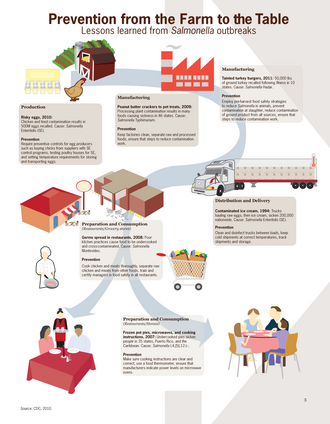
- Contaminated Food: Particularly unhygienically thawed poultry (where meltwater carries bacteria) and chicken eggs. Salmonella Enteritidis from eggs alone causes about 142,000 illnesses annually in the US.
- Water Sources: Polluted surface water or standing water found in shower hoses and unused water dispensers.
- Animals: Contact with amphibians (such as frogs), rodents (rats and mice), and pets.
- Insects: Flies, ants, and cockroaches can transport the bacteria to food surfaces.
Signs, Symptoms, and Complications
Acute Symptoms
Most people infected with Salmonella experience a sudden onset of gastrointestinal distress. The primary signs include:
- Diarrhea
- Fever
- Abdominal cramps
- Vomiting
Long-term Complications
While most recover quickly, some individuals develop lingering health issues, including:
- Reactive Arthritis: Joint inflammation that occurs as a reaction to an infection.
- Irritable Bowel Syndrome (IBS): Long-term digestive sensitivity following the acute infection.
- Anorexia: Loss of appetite resulting from the illness.
Diagnosis and Treatment
Diagnostic Methods
To differentiate salmonellosis from other types of gastroenteritis, healthcare providers typically use:
- Stool tests: To detect the presence of the bacteria in the digestive tract.
- Blood tests: To check for systemic infection or the presence of antibodies.
Treatment Options
Treatment focuses on managing symptoms and preventing dehydration:
- Hydration: Fluids administered by mouth or via intravenous (IV) lines for severe cases.
- Antibiotics: Prescribed in specific cases to clear the infection, particularly for severe or systemic illness.
Prevention and Safety
Preventing salmonellosis requires a combination of food safety and hygiene practices. Proper preparation and thorough cooking of food are the most effective defenses. Additionally, supervising contact between young children and pets (especially reptiles and amphibians) can reduce risk.
From a biological perspective, the body relies on a Th1 response (a specific type of T-helper cell immune response) to clear the infection. Research indicates that cytokines like IL-22 and IL-17 also play critical roles in protecting mucosal surfaces and recruiting neutrophils to fight the bacteria.
| Feature | Details |
|---|---|
| Incubation Period | 0.5 to 3 days |
| Typical Duration | 4 to 7 days |
| US Annual Cases | ~1.35 million (non-typhoidal) |
| Primary Risk Factors | Age (young/old), weak immunity, bottle feeding, PPI use |
| Prevention | Proper cooking, food hygiene, pet supervision |
Frequently Asked Questions
How can I tell if my food is contaminated with Salmonella?
You generally cannot. Contaminated food often has no unusual look, smell, or taste, which is why proper cooking and handling are essential.
Who is most at risk for severe Salmonellosis?
The highest risk groups include the very young, the elderly, people with compromised immune systems, and those taking proton pump inhibitors (PPIs).
Can pets spread Salmonella to humans?
Yes. Amphibians, rodents, and other pets can carry the bacteria. It is important to supervise children's contact with these animals and practice good hand hygiene.
How are Salmonella infections diagnosed?
Doctors typically use stool tests and blood tests to confirm the presence of Salmonella and distinguish it from other forms of gastroenteritis.
What is the difference between typhoidal and non-typhoidal Salmonella?
Non-typhoidal Salmonella usually causes localized gastroenteritis (stomach flu symptoms), while typhoidal Salmonella causes typhoid fever, a more severe systemic disease.