Russian Invasion of Ukraine 2022: The Initial Assault
On February 24, 2022, the geopolitical landscape of Eastern Europe was fundamentally altered when Russia launched a full-scale invasion of Ukraine. This operation, described by the Kremlin as a "special military operation," marked a massive escalation of the Russo-Ukrainian War. What began as a rapid attempt to seize the capital and dismantle the Ukrainian government evolved into a protracted conflict characterized by fierce resistance and strategic shifts.
The invasion was preceded by months of tension, including a massive military build-up on Ukraine's borders and diplomatic failures between Russia and Western powers. Despite warnings and attempts at last-minute diplomacy, the assault commenced from multiple fronts, targeting the heart of Ukrainian sovereignty.
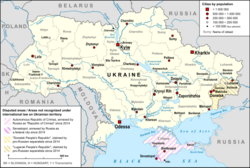
Key Facts
![Putin and his long-time confidant Defence Minister Sergei Shoigu[83]](/images/af/4a/af4a1ccbd92753f75ff459416aa7e2ccebbcb4958a7c49c27a3a4dcdacee4579.jpg)
- Timeline: The primary initial phase lasted from February 24 to April 8, 2022.
- Outcome: The initial attempt to seize Kyiv and achieve a quick victory is widely regarded as a Russian strategic failure.
- Russian Forces: Pre-invasion strength included approximately 900,000 military and 554,000 paramilitary personnel.
- Ukrainian Forces: Pre-invasion strength consisted of 196,600 military and 102,000 paramilitary personnel.
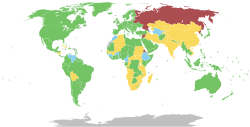
- Global Response: The UN General Assembly passed Resolution ES-11/1, condemning the invasion and demanding a full withdrawal of Russian troops.
The Prelude to Conflict
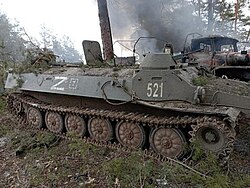
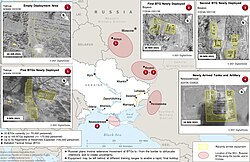
The road to the February invasion was paved with escalating military movements. By December 2021, Russian forces had begun a significant build-up around the Ukrainian border, creating a state of high alert across the region.
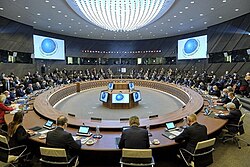
Diplomatic efforts, including meetings of the NATO-Russia Council (a forum for consultation between NATO and Russia), failed to resolve the Kremlin's demands regarding Ukrainian neutrality and security guarantees. By mid-February, the situation deteriorated further as Russian-backed separatists in the Donbas region—the eastern territories of Donetsk and Luhansk—increased shelling and ordered civilian evacuations.
The Final Escalation
In the days immediately preceding the invasion, Russia engaged in a disinformation campaign and claimed that Ukrainian "saboteurs" had entered Russian territory. On February 22, Vladimir Putin officially recognized the independence of the separatist republics in the Donbas, providing the legal pretext for the deployment of Russian troops into those regions.
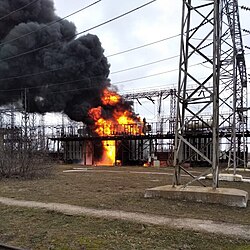
The Invasion Strategy and Execution
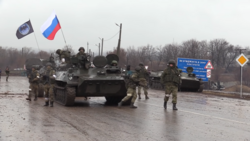
The invasion began with a multi-pronged assault designed to overwhelm Ukrainian defenses. Russian forces, led by commanders such as Aleksandr Dvornikov and Aleksandr Lapin, attacked from the north (via Belarus), the east, and the south.
The Battle for Kyiv and the North
The primary objective was the capture of Kyiv, the capital city. Russian paratroopers and armored columns attempted to seize key airbases and surround the city. However, they encountered unexpected resistance from the Ukrainian Armed Forces, led by President Volodymyr Zelenskyy and General Valerii Zaluzhnyi.
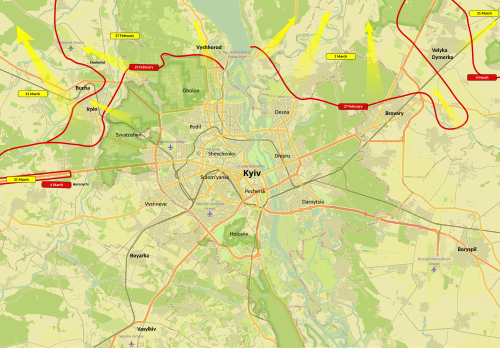
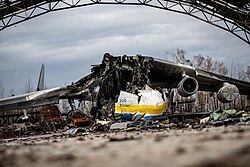
The fighting in the north was marked by significant losses of high-value assets. One of the most notable losses was the Antonov An-225 Mriya, the largest aircraft ever built, which was destroyed during the Battle of Antonov Airport.
The Southern and Eastern Fronts
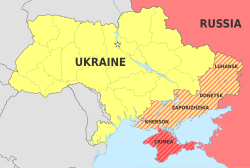
In the south, Russian forces moved quickly to secure a land bridge between Russia and the annexed Crimea. This involved the capture of Kherson and a brutal siege of Mariupol. In the east, the focus remained on the Donbas, where Russian forces utilized heavy artillery to raze towns during their advance.
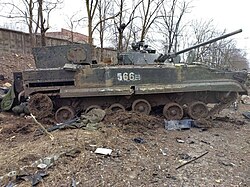
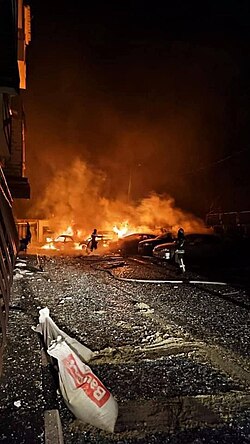
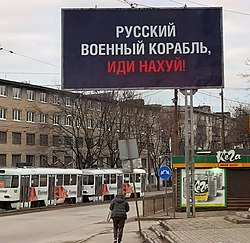
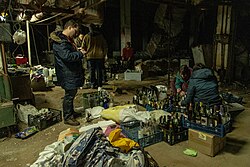
Ukrainian forces responded with asymmetric warfare, utilizing Molotov cocktails and mobile defense units to slow the Russian advance, while the civilian population displayed remarkable defiance.
Aftermath and Strategic Analysis
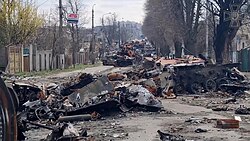
By early April, the Russian military was forced to withdraw from northern Ukraine, including the areas around Kyiv and Chernihiv. This retreat revealed the extent of the Russian failure to achieve its initial goals and exposed evidence of atrocities in towns like Bucha.
The conflict shifted toward a war of attrition in the east and south. Russia eventually moved to formally annex several Ukrainian regions to solidify its strategic land bridge to Crimea.
Internationally, the invasion triggered a wave of severe economic sanctions against Russia and a surge of military aid to Ukraine. The global community's condemnation was formalized in the UN General Assembly.
Summary of the Initial Invasion Phase
| Category | Russian Federation | Ukraine |
|---|---|---|
| Primary Leaders | Vladimir Putin | Volodymyr Zelenskyy |
| Military Command | Aleksandr Dvornikov, Aleksandr Lapin | Valerii Zaluzhnyi, Oleksandr Syrskyi |
| Pre-Invasion Strength | ~1.45 Million (Military & Paramilitary) | ~298,600 (Military & Paramilitary) |
| Strategic Result | Strategic Failure (Initial Phase) | Successful Defense of Kyiv |
Frequently Asked Questions
When did the full-scale Russian invasion of Ukraine begin?
The full-scale invasion began on February 24, 2022, following a televised announcement by President Vladimir Putin.
What was the primary goal of the Russian assault on Kyiv?
The primary goal was to capture the capital city, dismantle the existing Ukrainian government, and install a pro-Moscow administration.
How did the international community respond to the invasion?
The international community responded with severe economic sanctions against Russia and the passage of UN General Assembly Resolution ES-11/1, which condemned the invasion and demanded a full withdrawal of troops.
What was the significance of the "land bridge" in the south?
The land bridge refers to the strategic corridor of territory captured by Russia to create a direct overland connection between mainland Russia and the Crimean Peninsula.
Who were the key military leaders for Ukraine during this period?
The Ukrainian defense was led by President Volodymyr Zelenskyy and General Valerii Zaluzhnyi, with Oleksandr Syrskyi also playing a key role in command.