2022 Russian Invasion of Ukraine: A Comprehensive Overview
On February 24, 2022, the long-standing Russo-Ukrainian war escalated into a full-scale military invasion. This conflict, characterized by massive troop movements and intense combat across multiple fronts, fundamentally altered the geopolitical landscape of Europe. What began as a targeted military operation quickly transformed into a widespread struggle involving significant air, naval, and ground combat.
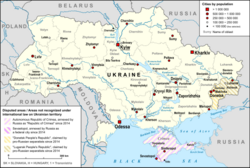
Key Facts
![Putin and his long-time confidant Defence Minister Sergei Shoigu[83]](/images/44/18/441813eb69574fb7dae4a5903a256b1225e46da8cbcc6d447959e7ae1ea0863b.jpg)
- Start Date: 24 February 2022
- Primary Belligerents: Russia and Belarus against Ukraine
- Russian Pre-invasion Strength: Approximately 900,000 military and 554,000 paramilitary personnel
- Ukrainian Pre-invasion Strength: Approximately 196,600 military and 102,000 paramilitary personnel
- Strategic Outcome: Russian strategic failure during the initial phase
The Prelude to Escalation
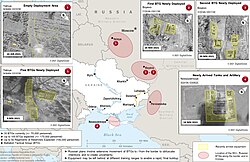
In the months leading up to the invasion, a significant Russian military buildup was observed around Ukraine's borders. This period was marked by heightened tensions and diplomatic friction between Russia and international bodies like NATO. Despite various diplomatic efforts, the situation continued to deteriorate throughout early February 2022.
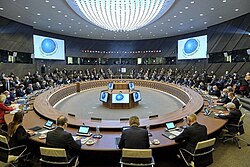
Tensions reached a breaking point as Russia increased its presence near the border. Diplomatic meetings, such as those held by the NATO-Russia Council, attempted to address the growing instability, but the momentum toward conflict appeared unstoppable.
Military Demands and Mobilization
As the crisis deepened, Russian-backed separatists in the Donbas region announced civilian evacuations, signaling imminent fighting. In response, Ukraine declared a state of emergency and prepared for a massive defensive effort. The Russian Federation's Federation Council eventually provided the necessary consent for President Vladimir Putin to utilize armed forces outside of Russian territory.
The Invasion and Major Fronts
The invasion was launched through multiple vectors, targeting various regions of Ukraine simultaneously. This included ground assaults from the north, east, and south, supported by air strikes and naval operations.
The Northern Front and the Battle for Kyiv
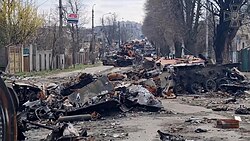
One of the most critical theaters of the early war was the northern front, aimed at capturing the capital, Kyiv. Russian forces attempted to secure control over the surrounding areas to facilitate a rapid takeover. However, they encountered fierce resistance from both the Ukrainian military and civilian defenders.
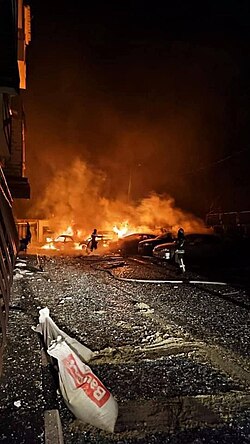
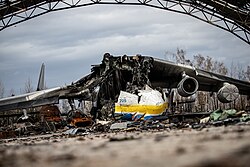
The battle for the outskirts of Kyiv was intense, involving significant damage to infrastructure and military assets. The struggle for control over key locations, such as the Antonov Airport, became a focal point of the northern campaign.
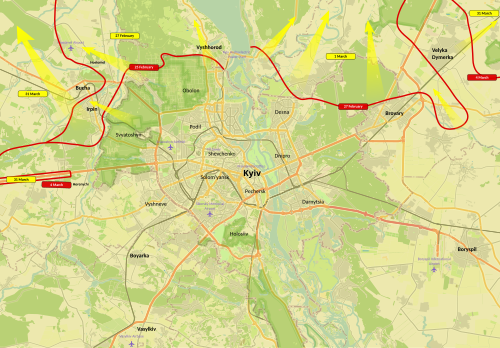
By early April, the focus of the northern campaign shifted as Ukrainian forces began to reclaim territory, leading to the eventual withdrawal of Russian troops from the Kyiv region.
The Eastern and Southern Fronts
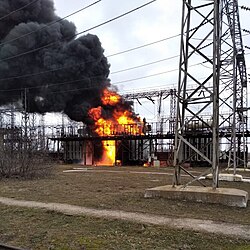
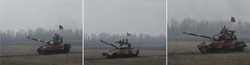
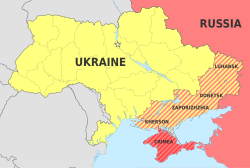
In the east, the conflict centered heavily on the Donbas region. Russian and proxy forces engaged in heavy shelling and ground combat, targeting power stations and urban centers. The goal was to secure a strategic land bridge between mainland Russia and the annexed Crimea.
In the south, Russian forces moved to capture key coastal and inland settlements. This included amphibious assaults and attempts to secure control over the Black Sea coastline, including the strategic island of Snake Island.
The southern campaign also saw significant naval engagement, with Ukrainian forces defending maritime outposts and resisting Russian naval dominance in the Black Sea.
Military Capabilities and Combat Dynamics
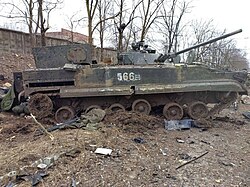
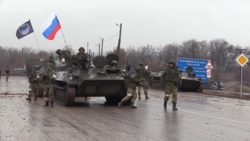
The war showcased a wide array of modern military technology, from heavy tanks and armored vehicles to the increasing importance of drone warfare and cyberattacks. Russia utilized various tactical symbols, such as the "Z" marking on vehicles, to identify its units.
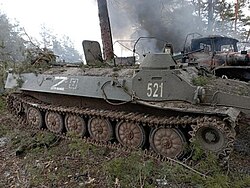
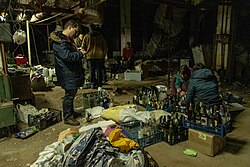
Ukraine's defense was characterized by a combination of organized military maneuvers and localized resistance. The use of improvised weaponry by civilians and the strategic use of terrain played significant roles in stalling the initial Russian advance.
Summary of Conflict Parameters
| Category | Russia & Allies | Ukraine |
|---|---|---|
| Military Personnel | 900,000 | 196,600 |
| Paramilitary Personnel | 554,000 | 102,000 |
| Primary Leaders | Vladimir Putin | Volodymyr Zelenskyy |
International Response and Aftermath
The international community reacted swiftly to the invasion. The United Nations General Assembly passed resolutions condemning the action and demanding a full withdrawal of Russian troops. While the UN Security Council faced challenges due to the involvement of a permanent member, global sanctions were heavily applied against the Russian economy.
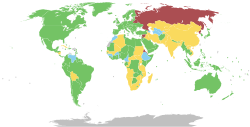
The invasion has had profound humanitarian and territorial consequences. The annexation of various Ukrainian regions has created new strategic complexities and ongoing territorial disputes.
Frequently Asked Questions
What was the primary goal of the Russian invasion?
The source indicates that Russia's focus included "liberating" the Donbas and attempting to secure a strategic land bridge between Crimea and Russia.
How did the international community respond to the invasion?
The UN General Assembly voted to condemn the invasion and demand a complete withdrawal of troops, and various international sanctions were implemented against Russia.
What was the outcome of the initial phase of the invasion?
The initial phase, lasting from February 24 to approximately early April 2022, is described as a Russian strategic failure.
Which major cities were heavily impacted during the early stages?
Kyiv, Kharkiv, Mariupol, and various locations in the Donbas region experienced significant combat and bombardment.
Who were the key leaders during this period?
The primary leaders identified were Vladimir Putin for Russia and Volodymyr Zelenskyy for Ukraine.