The Korean War: A Comprehensive Overview of the Conflict
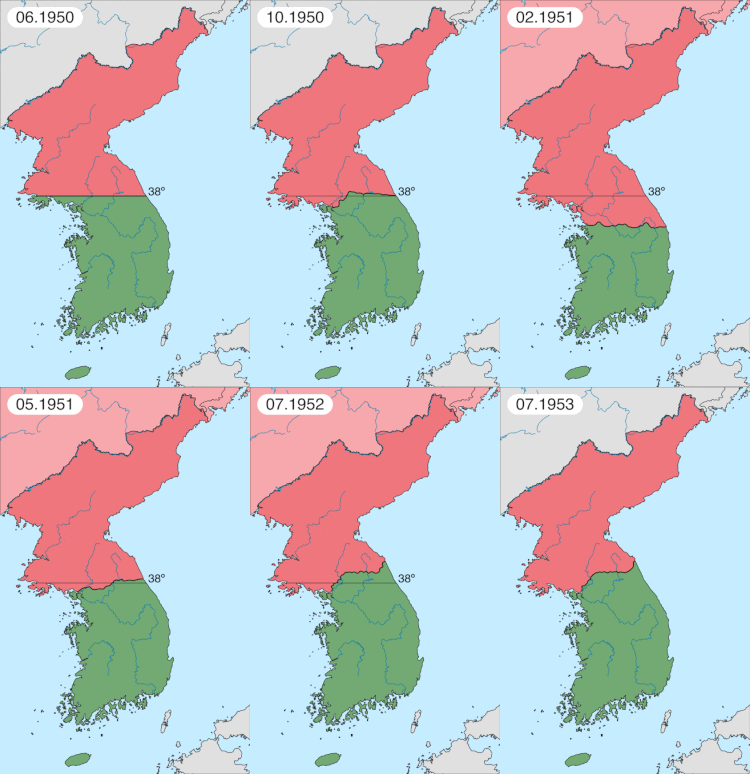
The Korean War was a pivotal conflict of the 20th century, serving as a major flashpoint in the broader Cold War—the period of geopolitical tension between the United States and the Soviet Union. Spanning from June 25, 1950, to July 27, 1953, the war fundamentally reshaped the Korean Peninsula and established a legacy of division that persists to this day.
What began as a localized struggle for control of the peninsula escalated into a massive international confrontation involving the United Nations, China, and the Soviet Union. While the war ended in an armistice rather than a formal peace treaty, its impact on military strategy, international law, and civilian life was profound.
Key Facts
- Duration: 3 years, 1 month, and 2 days (June 25, 1950 – July 27, 1953).
- Result: Inconclusive; an armistice was signed, establishing the Korean Demilitarized Zone (DMZ).
- Territorial Changes: A net total of 3,900 km² changed hands; North Korea gained Kaesong, while South Korea gained Sokcho.
- Total Military Casualties: Estimated between 2.1 and 2.4 million dead and missing across all belligerents.
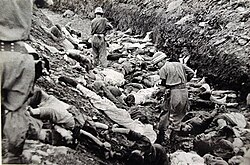
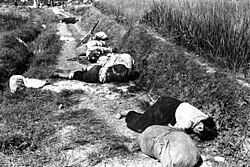
- Civilian Impact: An estimated 1.6 to 3 million civilians were killed.
Conflict Overview and Belligerents
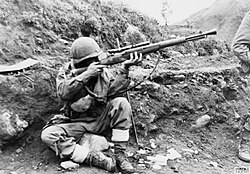
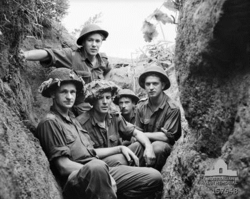
The war was fought between two primary coalitions. On one side were South Korea (Republic of Korea) and a United Nations command, led primarily by the United States and supported by the British Commonwealth. On the opposing side were North Korea (Democratic People's Republic of Korea), supported by China and the Soviet Union.
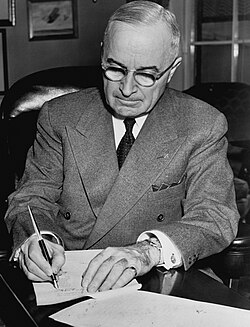
The scale of the mobilization was immense. At its peak, the combined strength of the opposing forces exceeded 5 million personnel. The leadership of these nations played a decisive role in the war's trajectory, with figures such as Syngman Rhee, Harry S. Truman, and Douglas MacArthur leading the UN forces, while Kim Il Sung, Mao Zedong, and Joseph Stalin led the communist coalition.
Summary of Combatant Statistics
| Coalition | Key Belligerents | Peak Strength | Estimated Dead/Missing |
|---|---|---|---|
| ROK-UN | South Korea, USA, British Commonwealth | ~1,897,000 | ~210,000 |
| Communist | North Korea, China, Soviet Union | ~3,000,000+ | ~600,000–630,000 |
The Course of the War
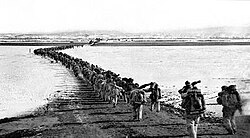
The conflict can be divided into several distinct phases, beginning with the North Korean invasion in June 1950. This initial movement pushed South Korean and UN forces toward the Pusan Perimeter, a defensive area in the southeast of the peninsula.
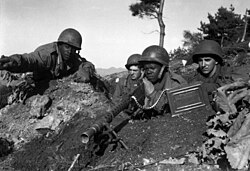
The tide shifted following the Battle of Incheon in September 1950, which allowed UN forces to break out of the Pusan Perimeter and push northward. However, the entry of Chinese forces in late 1950 changed the nature of the war, leading to intense fighting and a eventual stalemate around the 38th parallel.
Military Operations and Warfare Styles
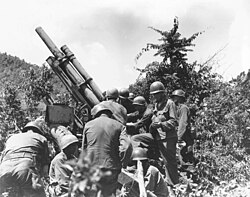
The Korean War was characterized by diverse forms of combat, including:
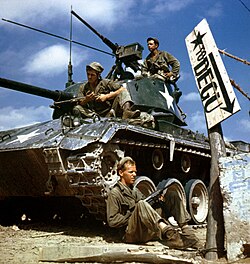
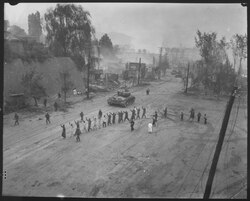
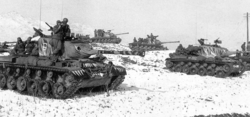
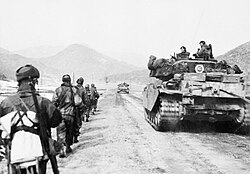
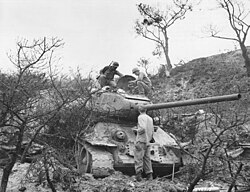
- Armored Warfare: The use of tanks, such as the M26 Pershing and M46 Patton, was critical in various engagements.
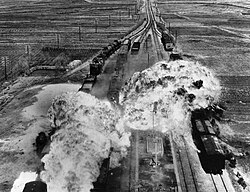
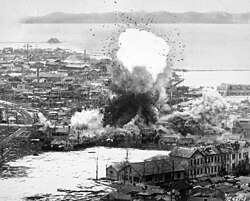
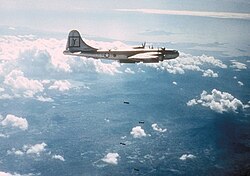
- Aerial Warfare: Extensive bombing campaigns were conducted, including the blockade of Wonsan and strikes against logistics depots.
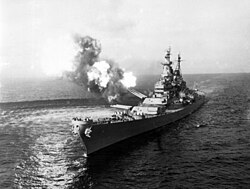
- Naval Warfare: Naval power was utilized for shore bombardments and maritime blockades.
- Tunnel Warfare: As the front stabilized, combatants utilized extensive tunnel systems for defense and movement.
The Armistice and Its Aftermath
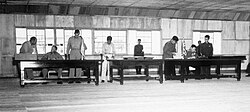
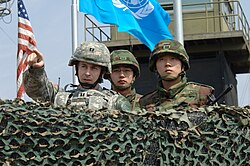
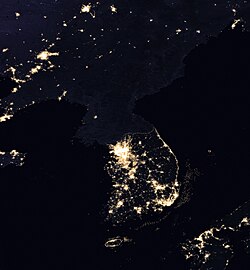
On July 27, 1953, the Korean Armistice Agreement was signed at P'anmunjŏm. This agreement halted the active fighting and established the Korean Demilitarized Zone (DMZ), a buffer area between the two sides. However, because a formal peace treaty was never signed, the two nations technically remain in a state of conflict.
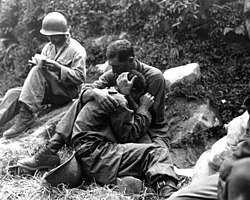
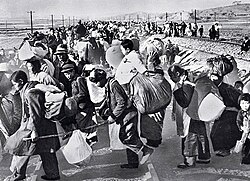
The human cost of the war was staggering. Beyond the millions of military casualties, the civilian population suffered immensely due to combat, displacement, and various violations of the laws of war. The war left the peninsula divided, a geopolitical reality that continues to influence international relations in Asia.
Frequently Asked Questions
Did the Korean War officially end?
No. The conflict ended with an armistice (a temporary truce) in 1953, rather than a formal peace treaty. Consequently, North and South Korea remain technically at war.
What is the Korean Demilitarized Zone (DMZ)?
The DMZ is a buffer zone established by the 1953 Armistice Agreement to separate the North and South Korean forces and prevent further direct military confrontation.
Who were the main participants in the war?
The primary combatants were South Korea and a United Nations coalition (led by the United States) against North Korea, supported by China and the Soviet Union.
How many people were affected by the war?
The war had a massive human impact, with military casualties estimated in the millions and civilian deaths estimated between 1.6 and 3 million people.
Why is the Korean War sometimes called the "Forgotten War"?
While the source does not explicitly define the term, it notes the war's place in history and its significant scale, often overshadowed in popular memory by other major 20th-century conflicts.