Rodrigues Solitaire: The Aggressive Relative of the Dodo
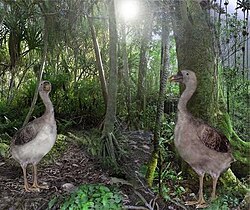
The Rodrigues solitaire (Pezophaps solitaria) was a massive, flightless bird that once inhabited the remote island of Rodrigues in the Indian Ocean. Often overshadowed by its more famous cousin, the dodo, the solitaire was a distinct species with a fascinating social structure and a tragic history of extinction. Reaching the size of a swan, this bird evolved in an environment free of mammalian predators, leading to unique physical and behavioral adaptations.
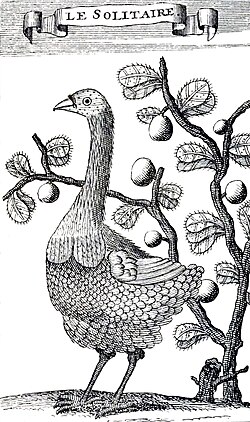
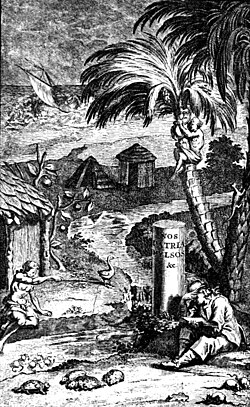
Much of what we know about the bird comes from the detailed accounts of François Leguat, a French Huguenot refugee who lived on the island in the late 17th century. His observations provide a rare glimpse into the life of a species that vanished long before modern ornithology could study it in the wild.
Key Facts
- Scientific Name: Pezophaps solitaria
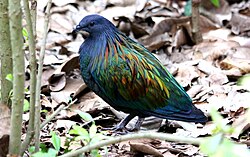
- Closest Living Relative: Nicobar pigeon (Caloenas nicobarica)
- Status: Extinct (mid-18th century)
- Distinctive Feature: Large bony knobs on wings used for combat
- Sexual Dimorphism: Males were significantly larger and heavier than females
- Habitat: Woodlands of Rodrigues Island
Physical Characteristics and Sexual Dimorphism
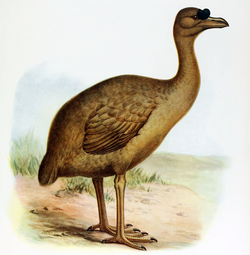
The Rodrigues solitaire exhibited some of the most pronounced sexual dimorphism—the condition where the two sexes of the same species exhibit different characteristics—of any neognath bird. Males were substantially larger than females, measuring between 75.7 and 90 centimeters in height and weighing up to 28 kilograms. In contrast, females stood between 63.8 and 70 centimeters and weighed approximately 17 kilograms.
Their plumage was a blend of grey and brown, with females appearing paler than males. The bird possessed a slightly hooked beak with a black band at the base, long legs, and a long neck. To aid in the digestion of its diet of fruits and seeds, the solitaire utilized gizzard stones.
Evolution and Taxonomy
For years, the solitaire was confused with the dodo. It was first scientifically named Didus solitarius in 1789, but later research by Hugh Edwin Strickland and Alexander Gordon Melville in 1848 established it as a separate genus, Pezophaps. This distinction was confirmed through the study of subfossil bones found in caves on Rodrigues.
Genetic analysis conducted in 2002 revealed that the solitaire and the dodo are both members of the Columbidae (pigeon and dove) family. Their closest living relative is the Nicobar pigeon of Southeast Asia. Evidence suggests their ancestors reached the Mascarene Islands via "island hopping" from South Asia. Once established, the lack of mammalian herbivores allowed these birds to grow to giant sizes, while the absence of predators led to the loss of flight.
Behavior, Ecology, and Territoriality
Unlike the dodo, which is often described as tame, the Rodrigues solitaire was highly aggressive and territorial. Both sexes possessed large bony knobs on their wings, which they used as weapons in combat. Recent research suggests this aggression was a result of the shrinking size of Rodrigues Island; as land area decreased, competition for limited resources intensified, triggering more violent behavior.
The species likely lived in the island's woodlands. Their reproductive habits are a subject of scientific debate. While early accounts suggested monogamy, the extreme size difference between males and females suggests polygyny (one male mating with multiple females). Some researchers propose a system of resource-defense polygyny, where males fought for the best territories to attract mates.
The Path to Extinction
The decline of the Rodrigues solitaire was driven by human activity. Between 1730 and 1750, the tortoise trade brought sailors who burned vegetation to flush out animals and hunted the solitaires for food. Furthermore, the introduction of invasive species, specifically cats and pigs, devastated the population by preying on eggs and chicks.
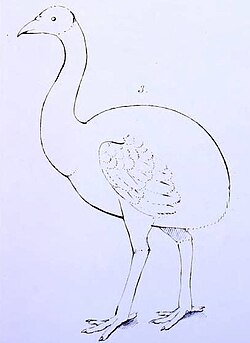
By 1755, efforts to find a live specimen failed despite large rewards. The bird is believed to have gone extinct between the 1730s and 1760s. Today, the only remaining evidence of the species consists of thousands of subfossil bones and a few historical illustrations.
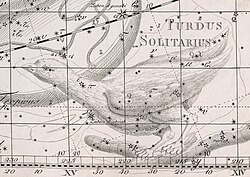
The bird's legacy persists in an unusual way: it is the only extinct bird to have a former constellation named after it, Turdus Solitarius.
Summary of Species Data
| Characteristic | Male | Female |
|---|---|---|
| Height | 75.7–90 cm | 63.8–70 cm |
| Maximum Weight | 28 kg | 17 kg |
| Plumage Color | Grey and Brown | Paler Grey and Brown |
| Behavior | Highly Territorial | Highly Territorial |
Frequently Asked Questions
How is the Rodrigues solitaire different from the dodo?
While both were flightless pigeons from the Mascarene Islands, the solitaire was more aggressive, exhibited greater sexual dimorphism, and possessed bony wing knobs for fighting, whereas the dodo was generally more docile.
Why did the Rodrigues solitaire lose the ability to fly?
The bird evolved on an island with no mammalian predators. In such environments, the high energy cost of maintaining flight muscles is unnecessary, leading to the evolutionary loss of flight.
What caused the extinction of the species?
The extinction was caused by a combination of human hunting, habitat destruction (burning of vegetation), and the introduction of invasive predators like cats and pigs.
Who provided the most detailed account of the bird?
François Leguat, a French Huguenot who lived on Rodrigues from 1691 to 1693, provided the most comprehensive descriptions of the bird's appearance and behavior.
What is the closest living relative of the solitaire?
DNA analysis has confirmed that the Nicobar pigeon (Caloenas nicobarica) is the closest living relative of both the Rodrigues solitaire and the dodo.