Flightless Birds: Evolution, Diversity, and Extinction
Across the globe, nature has produced a fascinating array of birds that have traded the sky for the land and sea. Flightless birds are species that have lost the ability to fly through the process of evolution. With over 60 extant (currently living) species, these birds demonstrate how biological needs and environmental pressures can reshape a species' fundamental capabilities.
From the towering common ostrich to the tiny Inaccessible Island rail, flightlessness is not a single evolutionary event but a recurring theme. This phenomenon is a prime example of convergent evolution, where unrelated species independently evolve similar traits to adapt to similar environmental challenges.

Key Facts
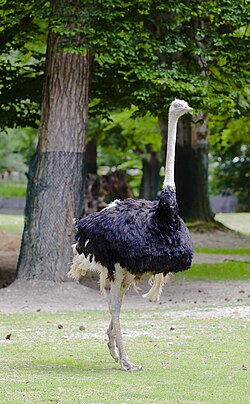
- Diversity: There are more than 60 living species of flightless birds.
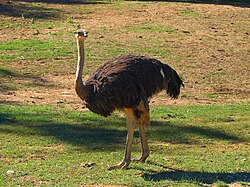
- Size Extremes: The common ostrich is the largest living bird (up to 2.7m and 156kg), while the Inaccessible Island rail is the smallest (12.5cm and 34.7g).
- Major Groups: Key groups include ratites (ostriches, emus, cassowaries, rheas, and kiwis) and penguins.
- Unique Loss: The extinct moa is the only known bird species where wings disappeared completely.
- Human Influence: Selective breeding has rendered some domestic birds, like the Broad Breasted White turkey, totally flightless.
The Mechanics of Flightlessness
Flightlessness typically occurs when the energy cost of maintaining flight muscles and wings outweighs the survival benefits of flying. In many cases, this happens on islands where predators are absent, allowing birds to fill open ecological niches on the ground.
Morphological Changes
As birds lose the ability to fly, their bodies undergo significant changes. Many evolve longer legs for running or specialized flippers for swimming. In some extinct lineages, such as the Phorusrhacidae, flightlessness allowed birds to become powerful terrestrial predators. These "terror birds," along with others like the gastornithiforms, evolved long necks and large heads despite not being closely related.
The Case of the Moa
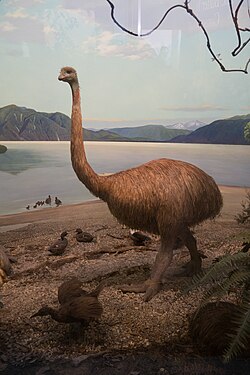
While most flightless birds retain vestigial wings (small, non-functional wings), the moa of New Zealand represents an extreme. The moa completely lost its wings; its pectoral girdle was reduced to a paired scapulocoracoid roughly the size of a human finger. These giant herbivores were hunted to extinction by humans by the 15th century.
Major Groups of Flightless Birds

Flightless birds are generally categorized into two broad groups based on their ancestry: the Palaeognathae and the Neognathae.
Palaeognathae (Ratites)
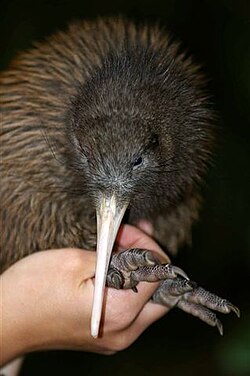
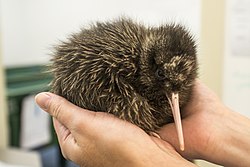
The ratites are the most famous flightless birds. This group includes the ostriches of Africa and Asia, the emus and cassowaries of Australasia, the rheas of South America, and the kiwis of New Zealand.
Neognathae
This group is more diverse and includes birds that evolved flightlessness independently from the ratites. Notable examples include:
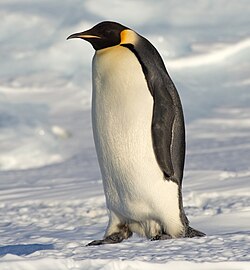
- Penguins: Specialized for diving and swimming.
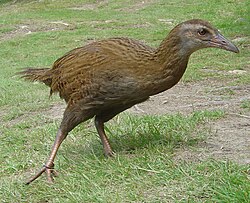
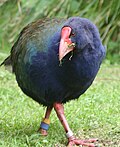
- Rails: Including the Weka and the Inaccessible Island rail.
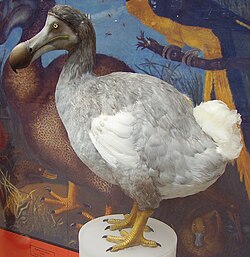
- The Dodo: An extinct pigeon from Mauritius.
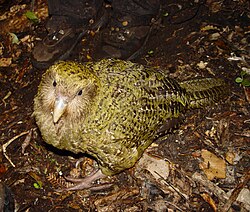
- The Kākāpō: A unique flightless parrot from New Zealand.
Summary of Notable Flightless Birds
| Group/Species | Status | Key Characteristic | Example |
|---|---|---|---|
| Ratites | Extant | Large size, vestigial wings | Common Ostrich |
| Penguins | Extant | Flippers for swimming | Emperor Penguin |
| Moa | Extinct | Complete loss of wings | North Island Giant Moa |
| Kiwis | Extant | Small, nocturnal, ratite | Okarito Kiwi |
| Dodo | Extinct | Island-evolved pigeon | Raphus cucullatus |
Frequently Asked Questions
Why do some birds stop flying?
Flightlessness usually evolves when the energy required for flight is no longer necessary for survival, often due to a lack of ground predators or an abundance of food on the ground, particularly on isolated islands.
Which is the largest flightless bird?
The common ostrich (Struthio camelus) is the largest flightless bird, as well as the largest living bird overall, reaching heights of 2.7 meters and weighing up to 156 kg.
Did any bird completely lose its wings?
Yes, the extinct moa of New Zealand is the only known species where wings disappeared entirely, leaving only a tiny remnant of the pectoral girdle.
Are all ratites related?
While they share similar traits like long legs and vestigial wings, research into convergent evolution shows that flightlessness evolved independently multiple times across different lineages.
Can domestic birds be flightless?
Yes. While some, like chickens, can only fly for short distances, others like the Broad Breasted White turkey are totally flightless due to selective breeding for massive breast meat.