Rio Grande do SulGaúcho culturePorto AlegreBrazilian agricultureFarroupilha Revolution

Rio Grande do Sul: A Comprehensive Overview of Brazil's Southern Powerhouse

Rio Grande do Sul: A Comprehensive Overview of Brazil's Southern Powerhouse Located in the southernmost part of Brazil, Rio Grande do Sul is a state defined by its unique cultural identit...

Rio Grande do Sul: A Comprehensive Overview of Brazil's Southern Powerhouse

Located in the southernmost part of Brazil, Rio Grande do Sul is a state defined by its unique cultural identity, diverse landscapes, and immense economic contributions. Known for its strong European influence and the spirited Gaúcho (the traditional inhabitants of the Pampas) culture, the state serves as a vital hub for agriculture, industry, and tourism in South America.

From the bustling capital of Porto Alegre to the rolling vineyards of the Serra Gaúcha, Rio Grande do Sul blends a history of revolutionary struggle with a modern, high-development index, making it one of the most prosperous regions in the country.
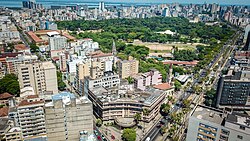
Porto Alegre, capital of Rio Grande do Sul

Key Facts

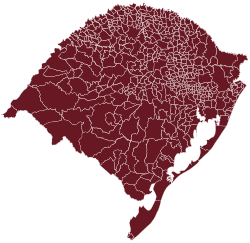
Map with municipal boundaries
  • Capital: Porto Alegre.
  • Population: Approximately 11.2 million (2025).
  • HDI: 0.818 (Very High), ranking 6th in Brazil.
  • Economic Strength: Brazil's largest producer of rice and tobacco.
  • Cultural Heritage: Strong Italian and German immigrant influence.
  • Geography: Home to the highest mountain in the state, Pico do Monte Negro.

Geography and Natural Environment
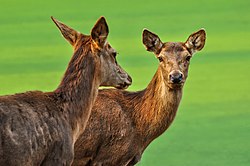
Pampas deer
Pampas deer

The state's geography is varied, ranging from the coastal plains to the high plateaus. The Pampas, vast grasslands, dominate the south, while the highlands feature dramatic canyons and forests.
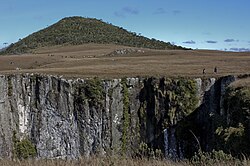
Pico do Monte Negro is the highest mountain in the state.

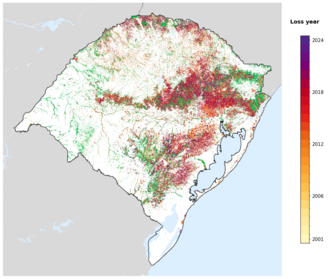
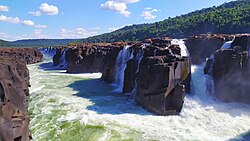
The region is ecologically rich, featuring the Araucaria forests and the stunning Yacumã Falls in the Turvo State Park, which are the second widest falls in the world. However, the state has faced challenges with tree-cover loss between 2001 and 2024.
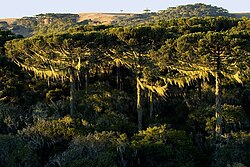
Araucaria forest in São Francisco de Paula

Yacumã Falls in the Turvo State Park are the second widest in the world.

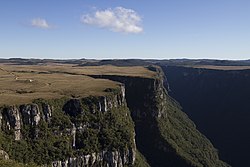
Canyon Fortaleza at the Aparados da Serra National Park

Map of Rio Grande do Sul showing tree-cover loss years, with forest remaining since 2000 in green and loss years shaded yellow through purple.
Tree-cover loss year in Rio Grande do Sul, 2001-2024, from the Global Forest Change dataset.

History and Cultural Evolution

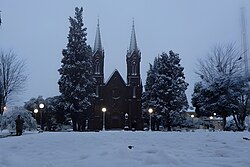
Snow in Vacaria, 2020

The history of Rio Grande do Sul is marked by political agitation and a fierce desire for autonomy. One of the most significant events was the Farroupilha Revolution, a republican uprising that lasted until 1845. This era solidified the identity of the Gaúcho as a symbol of liberty and bravery.
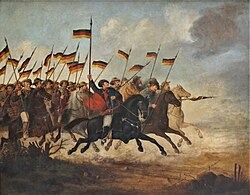
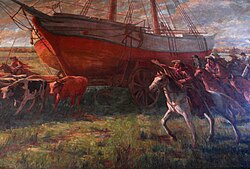
Rebel cavalry during the Farroupilha Revolution

Giuseppe Garibaldi leading the Riograndense navy to Laguna. Painting by Lucílio de Albuquerque, 1916.

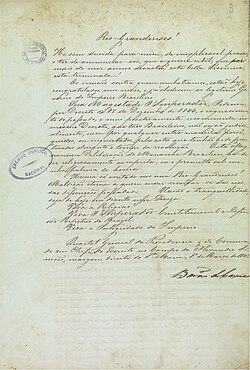
Declaration of the Baron of Caxias announcing the end of the Revolution Farroupilha, 1845. National Archives of Brazil

The Impact of Immigration

In the late 19th century, the state saw a massive influx of European immigrants. German settlers arrived early, establishing schools and unique architecture in towns like Nova Petrópolis. Italian immigrants began arriving in 1875, primarily from Trentino and Veneto, settling in the Serra Gaúcha to cultivate grapes.
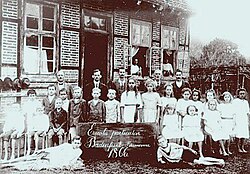
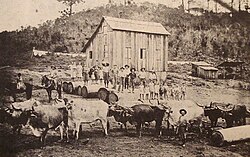
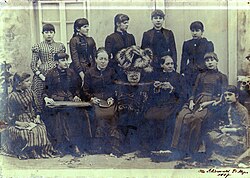
A German school in Estrela, 1866

Italian immigrants in Rio Grande do Sul, late 19th century

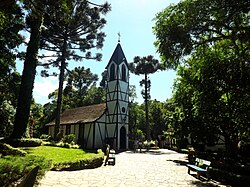
German architecture in Nova Petrópolis

This heritage is still evident today, not only in the architecture and religion but also in the language. In several municipalities, Talian—a dialect derived from Venetian—is recognized as a co-official language alongside Portuguese.
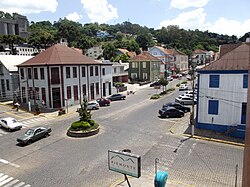
The town of Antônio Prado, where the Talian dialect is most commonly spoken among the inhabitants

Municipalities that the Talian is co-official in Rio Grande do Sul, highlighted in red: Bento Gonçalves,[121] Caxias do Sul,[122] Flores da Cunha,[123] Nova Roma do Sul[124][125] and Serafina Corrêa.[126]

Economic Powerhouse

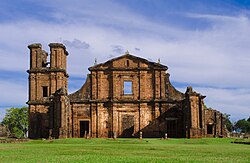
The historic town of São Miguel das Missões

Rio Grande do Sul possesses a diversified economy where industry (43%) and services (41%) lead, supported by a powerhouse agricultural sector (16%).

Agricultural Leadership

The state is a national leader in several commodities. It produces 70.5% of Brazil's rice and is the world's largest exporter of tobacco. The wine industry is centered in the Caxias do Sul region, producing 90% of the country's wine and 85% of its sparkling wine.
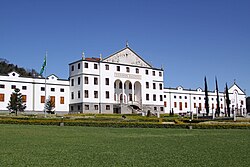
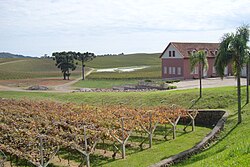
A winery in Bento Gonçalves. Rio Grande do Sul is the biggest wine producer in Brazil.

Vineyards in Flores da Cunha

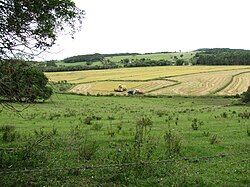
Rice farming in Mariana Pimentel

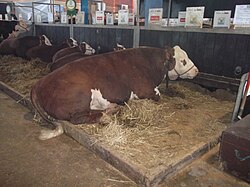
Livestock is equally vital, with the state producing 94% of Brazil's wool and maintaining a significant share of the national poultry and pork markets. The Expointer in Esteio stands as the largest livestock show in Latin America.
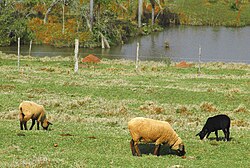
Sheep farming in Rio Grande do Sul

Expointer in Esteio is considered the largest livestock show in Latin America.

Industry and Infrastructure

The industrial landscape is dominated by construction, food processing, and machinery. Global players like Marcopolo S.A. (bus manufacturing) and Gerdau (steel) are headquartered or have major plants here. Infrastructure is supported by the Port of Rio Grande and the Salgado Filho International Airport.
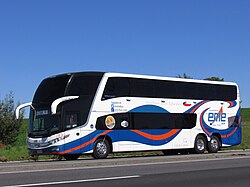
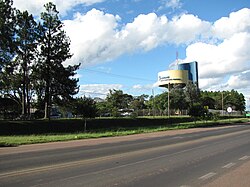
Marcopolo S.A. is a global bus and coach manufacturer with headquarters in Caxias do Sul.

Gerdau plant in Charqueadas

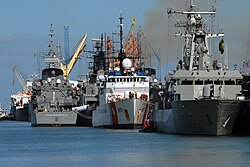
Port of Rio Grande
Port of Rio Grande

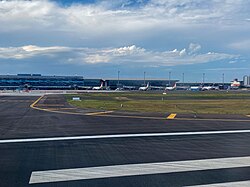
Salgado Filho International Airport

In terms of energy, the state is pivoting toward renewables, featuring the Osório wind farm, the largest wind power park in Latin America.
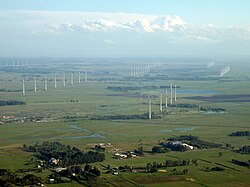
Osório wind farm is the largest wind power park in Latin America.

Tourism and Lifestyle
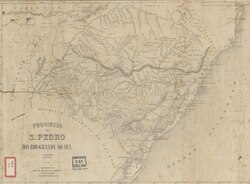
Map of Rio Grande do Sul in 1877 during the Empire of Brazil. National Archives of Brazil.

Tourism in Rio Grande do Sul is driven by its European charm and natural beauty. Gramado and Canela are premier destinations, while Bento Gonçalves is the heart of enotourism (wine tourism).
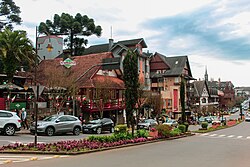
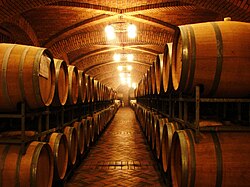
The town of Gramado, one of the most popular tourist destinations in Brazil, settled by Italian and German immigrants.

Enotourism is very popular in the region of Bento Gonçalves.

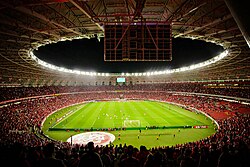
The local lifestyle is characterized by a rich culinary tradition featuring beef, salami, and pasta, often paired with local wines. Sports are also a major part of the culture, with the fierce rivalry between Grêmio and Internacional reflected in their massive stadiums, the Arena do Grêmio and Estádio Beira-Rio.
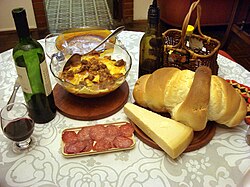
A typical meal in Rio Grande do Sul with wine, bread, cheese, and pasta with beef and salami

Estádio Beira-Rio was one of the venues for the 2014 FIFA World Cup.

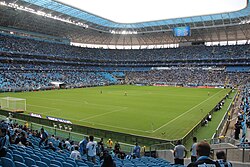
Arena do Grêmio
Arena do Grêmio

Category Detail
Capital Porto Alegre
Total Area 281,707.149 km²
Population (2025) 11,233,263
HDI (2024) 0.818 (Very High)
Primary Exports Footwear, Soybeans, Tobacco, Vehicles
Key Languages Portuguese, Talian (co-official in some areas)

Frequently Asked Questions
A German Protestant school for girls in Novo Hamburgo, 1886
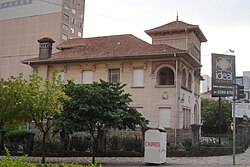
A 19th-century house built by Italian immigrants in Caxias do Sul
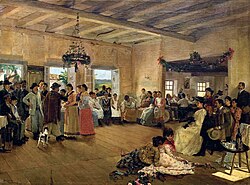
Kerb by Pedro Weingärtner, 1892. The work portrays a typical German festival in a rural community.
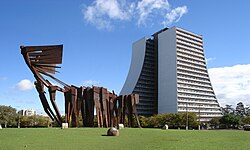
Monument in Porto Alegre to honor the Azorean immigrants
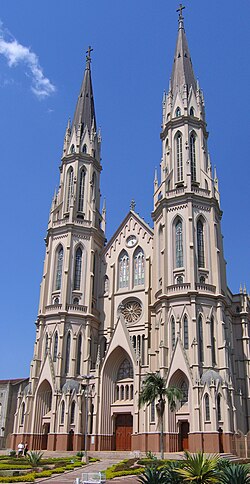
St. John the Baptist Cathedral in Santa Cruz do Sul
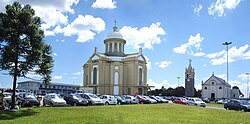
Our Lady of Caravaggio Sanctuary in Farroupilha
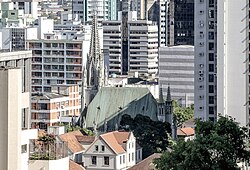
Aerial view of Lutheran Church in Novo Hamburgo
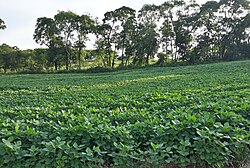
Soybean plantation in Novo Barreiro
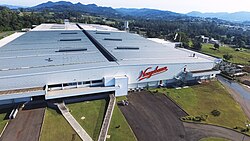
Neugebauer's headquarters in Arroio do Meio
BR-290 near Porto Alegre
BR-116 Highway in Ivoti
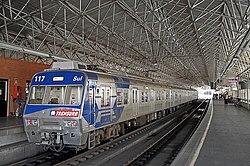
Great Porto Alegre Metro System in São Leopoldo
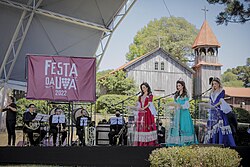
Grape Festival in Caxias do Sul
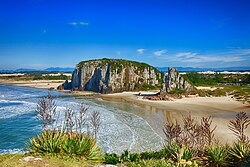
Guarita Beach in Torres
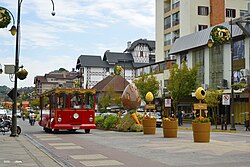
Gramado
Gramado

What is a Gaúcho?

A Gaúcho is a demonym for someone from Rio Grande do Sul, but it also refers to the traditional cattle-herding culture of the Pampas, characterized by a specific dress code, diet, and values of independence.

Why is Rio Grande do Sul important for Brazil's economy?

The state is a critical agricultural hub, leading the nation in rice and tobacco production and dominating the wine and sparkling wine markets.

What is the Talian language?

Talian is a dialect based on the Venetian language, brought by Italian immigrants. It remains a strong cultural marker and is co-official in municipalities like Bento Gonçalves and Caxias do Sul.

What was the Farroupilha Revolution?

It was a republican uprising (1835–1845) against the Brazilian Empire, driven by dissatisfaction with taxes and a desire for more regional autonomy.

Which cities are the most popular for tourists?

Gramado is one of the most visited destinations in Brazil due to its European-style architecture, while Bento Gonçalves is famous for its wineries.

References

  1. "Federalism and Parties in Brazil" (PDF). University of California, San Diego. Retrieved June 21, 2026. Brazil's twenty-seven state governments share nearly identical institutional frameworks. Their institutions also share many characteristics of the national government, except that the states are unitary systems.
  2. "Radar IDHM". Retrieved May 29, 2026.
  3. "Rio Grande do Sul". Lexico UK English Dictionary. Oxford University Press. Archived from the original on August 23, 2022.
  4. "Rio Grande". Merriam-Webster.com Dictionary. Merriam-Webster. OCLC 1032680871. Retrieved May 16, 2019.
  5. "Os estados mais e menos perigosos do Brasil". EXAME (in Portuguese). exame.abril.com.br. November 24, 2016. Retrieved March 1, 2020.