Renewable Energy in Mexico: Transitioning to a Sustainable Power Grid
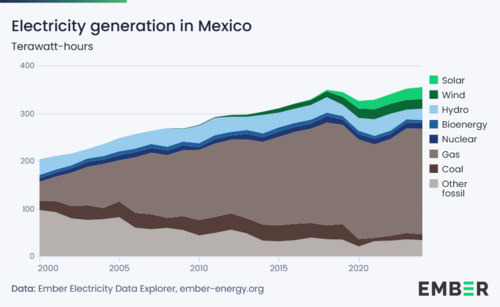
Mexico is currently navigating a significant transition in its energy landscape, balancing a historical reliance on fossil fuels with an ambitious push toward sustainable alternatives. Renewable energy—power derived from natural sources that replenish themselves faster than they are consumed—already contributes 26 percent of the nation's electricity generation. This mix includes biomass, hydropower, geothermal, solar, and wind energy.
The Mexican government continues to invest in research and innovation to maintain its position as a leader in clean energy. Current projections suggest that the share of renewable energy in the national grid will rise from 26 percent to 35 percent by 2035.
Key Facts
- Global Standing: Mexico ranks fourth globally in the amount of geothermal energy harvested.
- Economic Impact: Employment in the renewable energy sector has grown by 14 percent over the last eight years, particularly benefiting rural areas.
- National Security: Increasing sustainable energy reduces the demand for imported conventional fuels like petrol gas, coal, and natural gas.
- Climate Goals: Under the General Law on Climate Change (2012) and the Paris Agreement, Mexico aims to reduce greenhouse gas emissions by 50 percent by 2050.
The Electricity Sector and Governance
The electricity sector in Mexico is federally owned as mandated by the Constitution. The Federal Electricity Commission (Comisión Federal de Electricidad or CFE) maintains primary control over the sector. While private and foreign companies can participate, they are limited to specific service contracts.
Historically, the sector has relied heavily on thermal sources, which accounted for 75% of total installed capacity, while hydropower provided 19%. By 2022, the generation mix consisted of natural gas (56.8%), oil (13.5%), coal (6.8%), and renewables (19.5%). Recent data indicates that as of 2026, oil (33 TWh) and gas (221 TWh) remain dominant sources of power.
Leading Renewable Energy Sources
Geothermal Power
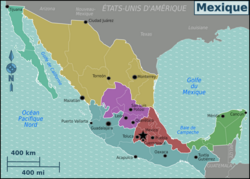
Mexico is a global powerhouse in geothermal energy—electricity generated from the heat of the earth. In 2019, it held the sixth greatest geothermal production worldwide. The country is home to the Cerro Prieto Geothermal Power Station, one of the largest in the world. Other significant facilities include the Central geotermoeléctrica Los Azufres and Los Humeros III, the latter of which operates on the Los Humeros volcanic caldera.
Wind Power
Wind energy production is expanding rapidly across the country. Installed capacity grew from 3,527 MW in 2016 to 8,128 MW in 2020. A significant portion of this growth is concentrated in the "wind farm corridor" of La Ventosa in the Isthmus of Tehuantepec, Oaxaca.
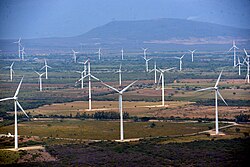
The Eurus Wind Farm previously stood as the largest wind farm in Latin America. Experts note that Mexico's combination of strong southern winds and consistent northern sunlight positions the country for continued growth, though wind power often competes with solar power for investment.
Climate Mitigation and Carbon Capture
To address the emissions resulting from fossil fuel combustion, Mexico is implementing mitigation strategies. The government has dedicated 19% of its mitigation plan to carbon capture and storage (CCS)—the process of trapping waste carbon dioxide from sources such as power stations and transporting it to be stored underground. Specifically, 10% of these efforts are targeted at the energy industry.

Energy Summary Table
| Category | Key Detail / Value |
|---|---|
| Current Renewable Contribution | 26% of electricity generation |
| 2035 Renewable Target | 35% of electricity generation |
| Primary Governing Body | Secretariat of Energy (Secretaría de Energía) |
| Main Utility Provider | Federal Electricity Commission (CFE) |
| Wind Capacity (2020) | 8,128 MW |
| GHG Reduction Goal (2050) | 50% reduction |
Frequently Asked Questions
Who regulates energy production in Mexico?
The Secretariat of Energy (Secretaría de Energía), a member of the Executive Cabinet, is the government department responsible for the production and regulation of energy.
What is the role of the CFE?
The Federal Electricity Commission (Comisión Federal de Electricidad) essentially controls the electricity sector, as the sector is federally owned per the Mexican Constitution.
How does renewable energy impact the Mexican economy?
Beyond sustainability, the sector has increased jobs in rural areas by 14 percent over the last eight years and enhances national security by reducing the need for imported fuels like gasoline and diesel.
Which geothermal plants are most prominent in Mexico?
The Cerro Prieto Geothermal Power Station is among the largest in the world, while other key plants include Los Azufres and Los Humeros III.
What are Mexico's goals for carbon emissions?
Mexico committed to reducing greenhouse gas emissions by 20% by 2020 and 50% by 2050, utilizing carbon capture and storage as a primary mitigation tool for the energy industry.