Rabbit Biology, Taxonomy, and Cultural Significance
Rabbits are fascinating mammals belonging to the order Lagomorpha. With a temporal range stretching from the Late Eocene to the Holocene (approximately 55 to 0 million years ago), these creatures have established a significant presence across the globe. While often confused with hares, rabbits possess distinct biological and taxonomic characteristics that define their unique place in the animal kingdom.
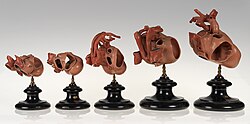
Key Facts
- Order: Lagomorpha
- Family: Leporidae
- Temporal Range: Late Eocene to Holocene (55–0 Ma)
- Key Genera: Oryctolagus, Sylvilagus, Pentalagus, and Brachylagus
- Primary Distinction: Taxonomically distinct from hares (genus Lepus)
Taxonomy and Evolutionary History
The classification of rabbits places them within the class Mammalia and the infraclass Placentalia (placental mammals). They belong to the family Leporidae, which includes a diverse array of genera. Some notable members include the European rabbit (Oryctolagus cuniculus), the Pygmy rabbit (Brachylagus idahoensis), and various species within the Sylvilagus genus, such as the Eastern cottontail.
While the genus Lepus (hares) is often discussed alongside rabbits, it is traditionally excluded from the family Leporidae in many classification systems, though it is cladistically related.
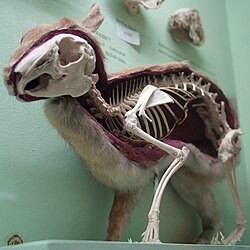
Diversity of Genera
The family Leporidae is characterized by significant morphological diversity. This includes specialized species like the Sumatran striped rabbit (Nesolagus netscheri), the Volcano rabbit (Romerolagus diazi), and the Amami rabbit (Pentalagus furnessi). The genus Sylvilagus is particularly expansive, containing numerous cottontail and tapeti species found throughout the Americas.
Biological Morphology and Physiology
The physical structure of a rabbit is highly adapted to its lifestyle. Their skeletal system and musculature support rapid movement and evasion of predators.
Skeletal and Muscular Systems
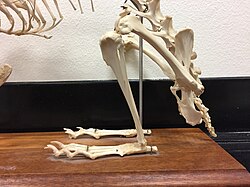
The hind limbs are a primary focus of rabbit anatomy, providing the power necessary for jumping and running. The musculature of the hind limb includes critical components such as the quadriceps and hamstrings.

Sensory and Thermoregulatory Adaptations
Rabbits possess specialized ears that serve more than just auditory functions. The anatomy of the mammalian ear is vital for sensing environmental changes. Furthermore, blood flow through the ears plays a crucial role in thermoregulation—the process of maintaining a stable internal body temperature. This is particularly evident in species like the desert cottontail, which uses its ears to dissipate heat.
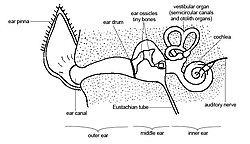
![The blood flow through the rabbit's ears helps with thermoregulation, as seen in this desert cottontail.[72]](/images/01/f0/01f086cb09c344525cfc71d8a52227a0bba48b7b34830083f1bf2e232d36256e.jpg)
Respiratory and Digestive Systems
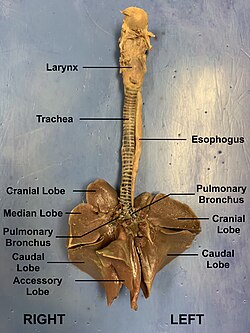
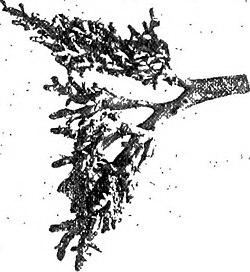
The respiratory system of the rabbit is designed for efficient oxygen exchange. In the lungs, the branching structure follows a monopodial branching pattern, which allows for a large surface area for gas exchange.
Reproduction and Life Cycle
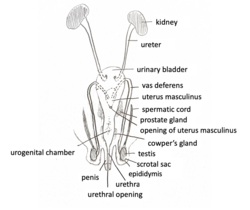
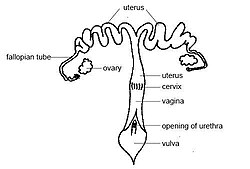
Rabbit reproduction is characterized by high fertility. The reproductive systems of males and females are specialized to support rapid population growth. Female rabbits produce litters, often referred to as kits, which require intensive care immediately following birth.

Ecology and Habitat
Rabbits occupy a wide range of ecological niches. From the swamp rabbit (Sylvilagus aquaticus) in wetland environments to the desert cottontail in arid regions, their habitats vary significantly. Their presence can have profound impacts on local ecosystems, sometimes necessitating human intervention, such as the historical rabbit-proof fences in Australia.


Summary of Rabbit Characteristics
| Category | Details |
|---|---|
| Scientific Order | Lagomorpha |
| Key Physiological Feature | Ear-based thermoregulation |
| Lung Structure | Monopodial branching |
| Common Uses | Food, clothing, research models, and pets |
| Cultural Symbols | Fertility, purity, and folklore characters |
Cultural Impact and Human Interaction
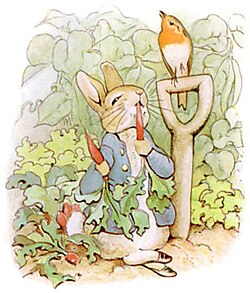
Throughout history, rabbits have appeared in art, folklore, and cuisine. They have been depicted in classical paintings as symbols of purity and fertility, and they serve as beloved characters in children's literature, such as Beatrix Potter's Peter Rabbit. In many cultures, they are also a significant food source.


Frequently Asked Questions
What is the main difference between a rabbit and a hare?
While they are closely related, rabbits and hares belong to different biological contexts; hares are members of the genus Lepus and are traditionally distinguished from the rabbit genera within the family Leporidae.
How do rabbits regulate their body temperature?
Rabbits utilize blood flow through their ears to assist in thermoregulation, helping them manage heat in various climates.
What is monopodial branching in rabbit lungs?
Monopodial branching refers to the specific pattern of airway division in the rabbit's respiratory system, which facilitates efficient gas exchange.
Are rabbits used in scientific research?
Yes, rabbits—particularly certain strains like the New Zealand white—are commonly used as animal models in experimental research due to their specific biological characteristics.
What does the rabbit symbolize in art?
In various historical art pieces, such as 16th-century paintings, the rabbit has been used as a symbol of fertility and purity.