Punk Subculture: Music, Ideology, and the DIY Ethos
The punk subculture is a multifaceted global phenomenon encompassing music, fashion, visual art, and a distinct set of social ideologies. Born from the raw energy of punk rock, it has evolved into a diverse array of expressions that challenge societal norms and promote individual freedom. At its core, punk is defined by an anti-establishment stance and a commitment to autonomy.
Central to the movement is the DIY (Do-It-Yourself) ethic, which encourages individuals to create their own art, music, and media rather than relying on corporate structures. This spirit of independence permeates every aspect of the culture, from self-published zines to independent record labels and handmade clothing.
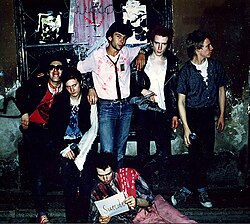
Key Facts
- Core Values: Anti-authoritarianism, non-conformity, and opposition to corporate greed.
- DIY Ethic: A fundamental belief in self-reliance and creating art/media outside of commercial systems.
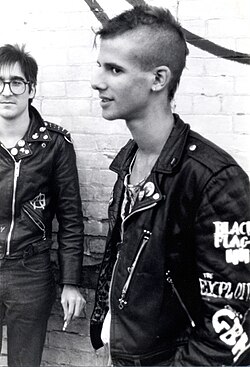
- Fashion: Characterized by leather jackets, mohawks, Dr. Martens, and body modifications.
- Global Reach: Significant movements exist in the UK, US, Mexico, Peru, South Africa, Indonesia, and Cuba.
- Diverse Branches: Includes specialized movements like Riot Grrrl, Queercore, and Straight Edge.
The Punk Ethos and Ideology
The punk philosophy is rooted in a rejection of the status quo. It promotes anti-corporatocracy (opposition to corporate control of society) and anti-consumerism, urging followers to avoid "selling out"—the act of compromising artistic or political integrity for financial gain.
Punk advocates for direct action and individual liberty, often manifesting as a fierce resistance to authoritarianism. This ideological framework provides a space for marginalized voices to express dissent and seek authenticity in a world perceived as artificial or oppressive.
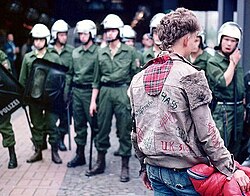
Visual Identity and Fashion
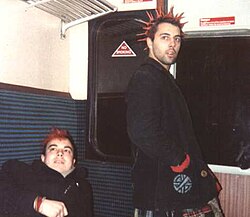
Punk fashion serves as a visual manifestation of its rebellious ideology. Common elements include T-shirts, leather jackets, and Dr. Martens boots. Hair is often a focal point, featuring brightly colored dyes and spiked mohawks.
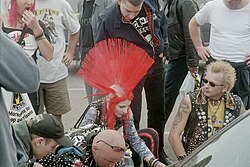
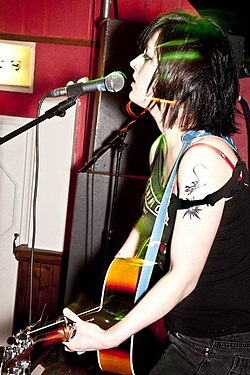
Beyond clothing, the subculture embraces cosmetics, tattoos, jewelry, and various forms of body modification. In the hardcore scene—a faster, heavier evolution of punk—fashion shifted toward a more utilitarian style. Women in this scene often adopted masculine-coded clothing, such as black ripped jeans and tops, which were more practical for the physical nature of the music scene.
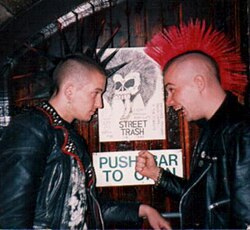
Music and Artistic Expression
While punk rock is the catalyst, the subculture extends into various other artistic mediums. Visual arts, dance, literature, and film all reflect the punk spirit of disruption and raw honesty.
The Role of Zines
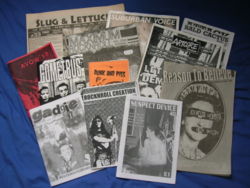
Zines (short for fanzines) are self-published, small-circulation magazines. They have historically been vital for communicating ideas, reviewing music, and building community without the need for mainstream publishing houses.
Diverse Musical Evolutions
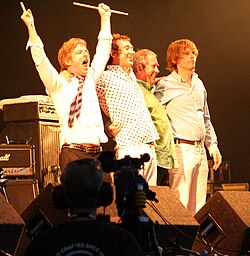
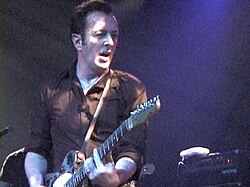
From the early days of the Sex Pistols to the high-energy performances of the Buzzcocks, punk music has branched into numerous subgenres, including hardcore punk and art punk.
Gender, Identity, and Community
Punk has provided a platform for challenging traditional gender roles and sexual identities. Two notable movements include:
- Riot Grrrl: An underground feminist hardcore punk movement that combined politics and music to address issues facing women.
- Queercore: A movement that emerged to challenge both the heteronormativity of mainstream society and the perceived homophobia within the punk scene itself.
Lifestyle and Sobriety
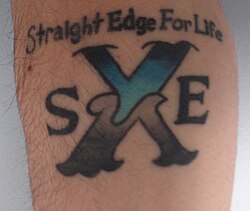
While some associate punk with excess, the Straight Edge movement represents a significant departure. Straight edge punks commit to a lifestyle of abstinence from alcohol, tobacco, and recreational drugs, viewing sobriety as a way to maintain clarity and resist societal pressures.
Global Perspectives
Punk is not limited to the Anglosphere; it has adapted to various political and social climates worldwide:
- Peru: Some historians cite Peru as a cradle of early punk sounds.
- Mexico: Punk has served as a space for identity formation and anti-globalization activism.
- South Africa: The subculture has played a role in navigating identities in the post-apartheid era.
- Indonesia: The scene remains active, with some members integrating punk values with Islamic faith.
- Cuba: Punk has been used to address issues of freedom and health crises, such as HIV/AIDS.
Summary of Punk Subculture Elements
| Category | Key Characteristics | Examples/Terms |
|---|---|---|
| Ideology | Anti-establishment, Non-conformity | DIY Ethic, Anti-corporatocracy |
| Fashion | Rebellious, Utilitarian, Bold | Mohawks, Leather Jackets, Ripped Jeans |
| Music | Raw, Fast, Energetic | Hardcore, Art Punk, Riot Grrrl |
| Lifestyle | Diverse, Community-driven | Straight Edge, Zine Culture |
Frequently Asked Questions
What is the DIY ethic in punk?
The DIY (Do-It-Yourself) ethic is the belief that individuals should create their own art, music, and clothing rather than consuming mass-produced corporate products. This promotes independence and accessibility for all creators.
What does "selling out" mean in the punk community?
"Selling out" refers to the act of compromising one's artistic integrity, political beliefs, or anti-establishment values in exchange for commercial success or corporate money.
What is the difference between punk and straight edge?
Punk is the broader subculture, while straight edge is a specific lifestyle choice within the hardcore punk scene. Straight edge adherents abstain from alcohol, drugs, and tobacco.
How did punk fashion change in the hardcore scene?
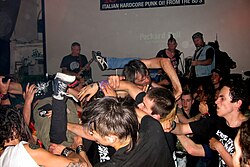
While early punk fashion was often flamboyant (bright hair, jewelry), hardcore punk shifted toward a more utilitarian, simple style—such as ripped jeans and plain tops—to better accommodate the physical activity of moshing.
Is punk only a Western phenomenon?
No. Punk has a significant global presence, with unique scenes in countries like Peru, Mexico, Indonesia, and South Africa, where it often intersects with local political struggles and identity issues.