Sludge Metal: The Heavy Fusion of Hardcore Punk and Doom
Sludge metal is a visceral subgenre of heavy music that blends the raw aggression of hardcore punk with the slow, crushing weight of doom metal. Emerging in the mid-1980s across California, Washington, and Louisiana, the genre is defined by its downtuned guitars, dirge-like tempos, and a deliberate desire to antagonize the listener. What began as a rebellious reaction to the high-speed norms of the punk scene evolved into a diverse musical movement that paved the way for grunge and post-metal.
Key Facts
- Origins: Developed in the mid-1980s in California, Washington, and Louisiana.
- Core Influence: A hybrid of hardcore punk and the slow riffs of Black Sabbath.
- Pioneering Acts: Black Flag, The Melvins, and Saint Vitus.
- Regional Hubs: New Orleans, Seattle, and Savannah.
- Derivative Genres: Directly influenced the rise of post-metal and the Seattle grunge scene.
The Genesis of the Sludge Sound
In the late 1970s, hardcore punk was characterized by blistering speeds. However, by the early-to-mid-1980s, several California bands began to intentionally slow down their tempos to frustrate audiences and challenge the scene's conventions. Flipper's 1982 release, Album – Generic Flipper, utilized expansive song lengths and low tempos, which some historians cite as the genesis of the genre.
Simultaneously, the doom metal scene—characterized by slow, heavy compositions—began to intersect with punk. The Los Angeles band Saint Vitus released a self-titled debut in 1984 via SST Records; its title track is often regarded as one of the first recorded sludge metal songs due to its blend of doom and mid-tempo hardcore.
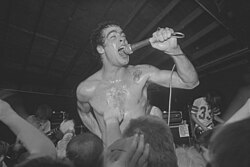
The most pivotal moment for the genre is generally attributed to the B-side of Black Flag's 1984 album, My War. By embracing the influence of Black Sabbath and adopting a menacing crawl, Black Flag created a blueprint for the sludge sound.
Expansion and the Rise of Grunge
The influence of My War resonated deeply in Seattle, Washington, inspiring early grunge bands such as the U-Men and 10 Minute Warning. The Melvins, formed in 1983, became central figures in this evolution. After seeing Black Flag perform in 1984, The Melvins shifted from standard hardcore to "slow and heavy riffs," creating a dirge-like style that many publications credit as the invention of sludge.

This sonic experimentation provided the foundation for the commercial explosion of grunge in the early 1990s. Bands like Nirvana and Soundgarden merged these sludge elements with alternative rock, bringing the heavy, slow-tempo aesthetic to a mainstream global audience.
Regional Scenes and Diversification
The New Orleans Scene
By the 1990s, Louisiana became a stronghold for sludge metal. In a region where most underground music was fast, Eyehategod purposefully rebelled by slowing their music down to an aggravating pace. Their 1993 album, Take as Needed for Pain, became a defining record for the genre. This scene expanded through bands like Crowbar, Acid Bath, and Down, with members often collaborating across different projects to refine the New Orleans sound.
The California and East Coast Evolution
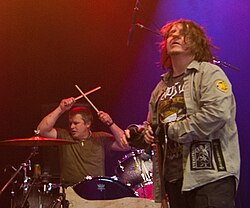
In Berkeley, California, the 924 Gilman Street scene produced bands like Neurosis and Noothgrush. Neurosis eventually transitioned from hardcore to a progressive, ambient style of sludge, helping to pioneer post-metal—a derivative form further developed by Isis and Cult of Luna. Other bands pushed the genre into extreme territories: Dystopia merged sludge with grindcore and crust punk, while Boston's Grief fused it with anarcho-punk.
The Savannah Sound
Georgia also developed a significant presence, starting with the band Damad in 1991. Their blend of sludge and grindcore influenced a new wave of Savannah-based bands in the 2000s, including Kylesa and Black Tusk. This regional style, often called the "Savannah sound," blended punk, metal, and rock. Baroness and Mastodon further evolved the genre by incorporating progressive metal and alternative rock elements, with Mastodon's early albums Remission and Leviathan being cited as essential sludge works.
Sludge Metal Summary
| Region | Key Bands | Defining Characteristics | Influence/Outcome |
|---|---|---|---|
| California | Black Flag, Flipper, Neurosis | Slowed-down hardcore, ambient textures | Birth of the genre, Post-metal |
| Washington | The Melvins, Nirvana, Soundgarden | Heavy riffs, dirge-like tempos | Grunge movement |
| Louisiana | Eyehategod, Crowbar, Acid Bath | Aggravatingly slow, high distortion | Defining the "filthy" sludge sound |
| Georgia | Baroness, Mastodon, Kylesa | Fusion of punk, rock, and prog | The "Savannah sound" |
Frequently Asked Questions
What is the difference between sludge metal and doom metal?
While both are slow and heavy, sludge metal specifically incorporates the aggression, distortion, and DIY ethos of hardcore punk, whereas doom metal is more closely rooted in traditional heavy metal and the early sound of Black Sabbath.
Which album is considered the starting point of sludge metal?
The B-side of Black Flag's 1984 album My War is generally credited with beginning the genre, though Flipper's Album – Generic Flipper and Saint Vitus's debut are also cited as early precursors.
How did sludge metal influence the grunge movement?
Sludge's emphasis on slow, heavy riffs and downtuned guitars was adopted by early Seattle bands like The Melvins, which in turn influenced the sound of mainstream grunge acts like Nirvana and Soundgarden.
What is post-metal?
Post-metal is a derivative form of sludge metal that emphasizes atmospheric, ambient, and progressive structures over traditional song formats, pioneered by bands such as Neurosis, Isis, and Cult of Luna.
What is the "Savannah sound"?
The Savannah sound refers to a regional style of sludge metal from Savannah, Georgia, characterized by a blend of punk, metal, and rock, exemplified by bands like Baroness, Black Tusk, and Kylesa.