Eyehategod: Pioneers of New Orleans Sludge Metal
Emerging from the gritty atmosphere of New Orleans, Louisiana, Eyehategod has spent decades defining the sonic boundaries of sludge metal—a heavy, abrasive fusion of doom metal, hardcore punk, and southern rock. Formed in 1988, the band is renowned for its raw intensity, feedback-laden riffs, and lyrics that confront the bleak realities of substance abuse and societal decay.
Key Facts
- Origin: New Orleans, Louisiana, USA.
- Genre: Sludge Metal.
- Active Since: 1988.
- Studio Albums: Six released as of 2026.
- Core Members: Jimmy Bower, Mike Williams, Gary Mader, and Aaron Hill.
- Legacy: Widely regarded as founding architects of the sludge metal genre.
Formation and Early Years (1988–1995)
Eyehategod was founded on April 20, 1988, by Jimmy Bower and Joey LaCaze. The original lineup included Mark Schultz, Steve Dale, and vocalist Chris Hilliard, though Hilliard was soon replaced by Mike Williams. The band's early output consisted of two demos, Garden Dwarf Woman Driver (1989) and Lack of Almost Everything (1990).
Their debut album, In the Name of Suffering (1990), was recorded for just $1,000, resulting in a primitive, raw sound heavily influenced by hardcore. After their initial label, Intellectual Convulsion, dissolved, the album was re-released by Century Media in 1992. In 1993, the band released Take as Needed for Pain, recorded in a studio located on the 13th floor of an abandoned department store on Canal Street. This record showcased a more refined sound, integrating distinct blues and southern rock influences.
Chaos and Evolution: Dopesick and Beyond (1995–2000)
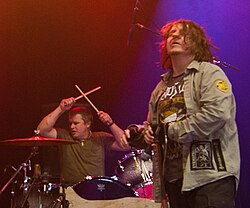
In 1995, the band collaborated with producer Pepper Keenan of Corrosion of Conformity to record Dopesick. The sessions were notoriously volatile; during the recording of the track "My Name is God (I Hate You)," Mike Williams severely injured his hand while smashing a bottle for sound effects, leaving blood on the studio floor. Despite the chaos, the album helped elevate the profile of sludge metal through high-profile tours with Pantera and White Zombie.
Following a period of internal disputes and side projects, the band returned in 2000. They first released Southern Discomfort, a compilation of singles and splits, followed by the studio album Confederacy of Ruined Lives. This release was a more polished affair, serving as a spiritual successor to Take as Needed for Pain and leading to the band's first world tour.
Personal Struggles and Resilience (2001–2013)
The early 2000s were marked by a balancing act between Eyehategod and various side projects, including Down, Soilent Green, and Outlaw Order. However, the band's trajectory was interrupted by personal tragedy and legal battles. Following Hurricane Katrina, vocalist Mike Williams was arrested on narcotics charges and spent 91 days in jail, a period he used to overcome his heroin addiction.
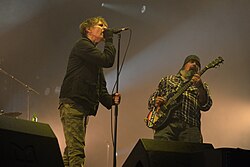
The band returned to the stage at the 2006 Mardi Gras festival. However, the group suffered a major loss on August 23, 2013, when longtime drummer Joey LaCaze passed away from respiratory failure. He was replaced by Aaron Hill in October 2013.
Modern Era and Continued Legacy (2014–Present)
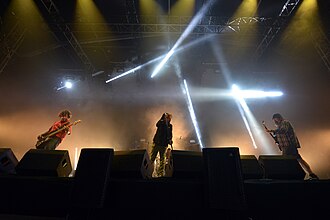
In 2014, the band released a self-titled album via Housecore Records, the final recording to feature Joey LaCaze. The years following were challenging for Mike Williams, who underwent liver transplant surgery in 2016. During his recovery, vocalists Phil Anselmo and Randy Blythe filled in for live performances.
The band returned to the studio for their sixth album, A History of Nomadic Behavior, released on March 12, 2021. As of 2024, Eyehategod has begun working on a seventh studio album, with scheduled tours alongside Crowbar in 2026.
Artistry and Influence
Eyehategod's sound is a visceral blend of influences, citing Black Sabbath, Melvins, Discharge, and Celtic Frost as key inspirations. Their lyrics focus heavily on the grim realities of substance abuse, reflecting the personal experiences of the band members in the New Orleans scene. Despite their aggressive sound, Mike Williams has explicitly distanced the band from the Satanic or occult themes common in extreme metal, describing their approach as simply "loud" rather than ideological.
| Album Title | Release Year | Key Characteristics |
|---|---|---|
| In the Name of Suffering | 1990 | Primitive, raw, hardcore feel |
| Take as Needed for Pain | 1993 | Defined riffs, southern rock/blues influence |
| Dopesick | 1996 | Chaotic, abrasive, high-profile sludge |
| Confederacy of Ruined Lives | 2000 | Polished, sober, structured |
| Eyehategod | 2014 | Final album featuring Joey LaCaze |
| A History of Nomadic Behavior | 2021 | Modern era return |
Frequently Asked Questions
What is sludge metal?
Sludge metal is a subgenre of heavy metal that combines the slow tempos and heavy riffs of doom metal with the aggression and raw energy of hardcore punk, often incorporating elements of southern rock and blues.
Who are the current members of Eyehategod?
The current lineup consists of Jimmy Bower (guitar), Mike Williams (vocals), Gary Mader (bass), and Aaron Hill (drums).
What is Outlaw Order?
Outlaw Order is a side project formed by members of Eyehategod (excluding Jimmy Bower at the time of formation). The project focuses on criminal themes, reflecting the members' own legal struggles.
Why did Mike Williams miss shows in 2016?
Mike Williams missed several performances due to serious health issues, which culminated in him undergoing liver transplant surgery in December 2016.
What are the primary lyrical themes of the band?
The band's lyrics primarily focus on substance abuse and the hardships associated with addiction, drawing from the members' real-life experiences in New Orleans.