Punk Rock: The History, Evolution, and Cultural Impact of a Musical Revolution
Punk rock emerged in the mid-1970s as a visceral reaction against the perceived excesses of mainstream rock and the social constraints of the era. Originating across the United States, the United Kingdom, and Australia, punk was more than just a musical style; it was a cultural explosion defined by a DIY ethic (Do-It-Yourself), which encouraged individuals to create their own music, fashion, and publications regardless of professional training.
From its raw, distorted beginnings to its diversification into countless subgenres, punk has left an indelible mark on global music and fashion, challenging the status quo and empowering marginalized voices.
Key Facts
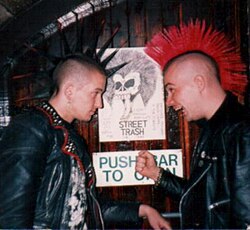
- Origins: Emerged in the mid-1970s in the US, UK, and Australia.
- Core Philosophy: Centered on a DIY ethic, rejecting corporate music industry standards.
- Foundational Influences: Rooted in garage rock, rockabilly, and proto-punk.
- Key Pioneers: The Ramones (US) and the Sex Pistols (UK) are among the most influential first-wave bands.
- Evolution: Diversified into hardcore, post-punk, pop-punk, and various fusion genres.
The Roots of Rebellion: Precursors and Proto-Punk

Before punk became a defined movement, several styles laid the groundwork. Garage rock and beat music of the 1960s provided the raw energy and simplicity that punk would later embrace. Early examples include The Kingsmen, whose 1966 cover of "Louie, Louie" is often cited as punk rock's "ur-text" (the original or foundational text).
![The Kingsmen in 1966. Their cover of "Louie, Louie" was later referred to as punk rock's "ur-text".[76]](/images/d8/1e/d81eb71c3fd45cbce1ccde9dc66d97169f26c699607740efa91472370de433f3.jpg)
Other early progenitors included The Kinks, specifically their track "You Really Got Me," which introduced the distorted guitar sounds that became a punk staple.
![The Kinks' "You Really Got Me" was later cited as an early progenitor of punk rock.[82]](/images/43/1c/431c178fb82159d5507d9b05359f558c54e2ad3deffe739cf004d30717da1cb6.jpg)
By the late 1960s and early 1970s, proto-punk began to emerge. In Detroit, The Stooges, led by Iggy Pop—often called the "godfather of punk"—pushed the boundaries of performance and sound. The Seeds also served as a significant early influence on Pop's style.
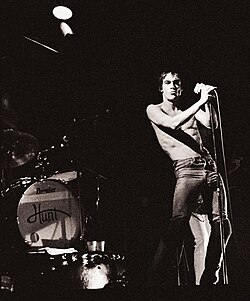
![The Seeds were an early influence on Iggy Pop.[94]](/images/11/61/1161fbad43daa9ae9d97cf7c7b629c6b345f98a7fd89c4f2d0b51d7aa506ad49.jpg)
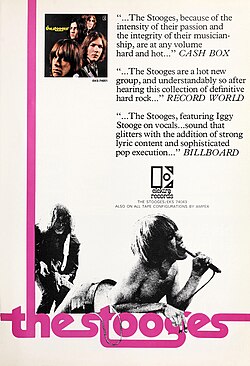
The First Wave: 1974–1977
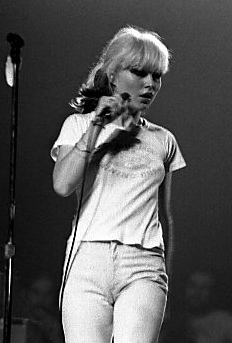
North American Emergence
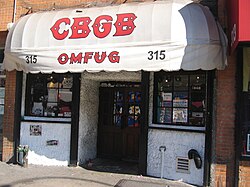
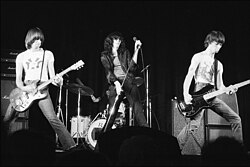
In the United States, the movement coalesced in cities like New York and Cleveland. The Ramones are widely regarded as one of the first true punk bands, popularizing the movement in the US with their fast tempos and stripped-down song structures. The legendary club CBGB in New York City became a central hub for this burgeoning scene.
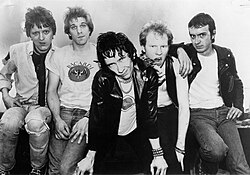
While New York was a focal point, Cleveland also saw a creative explosion of early punk pioneers, including bands like the Dead Boys.
The UK Explosion and Global Reach
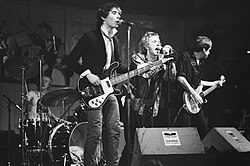
In the United Kingdom, punk took on a more overtly political and confrontational tone. The Sex Pistols, featuring vocalist Johnny Rotten, became the face of the movement, sparking national controversy and media frenzy. Simultaneously, The Clash incorporated a wider range of influences and political commentary into their music.
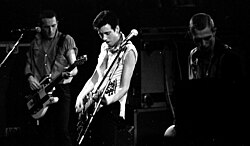
The movement also found a foothold in Australia, contributing to a global network of rebellious youth culture.
Diversification and the Second Wave: 1977–1984
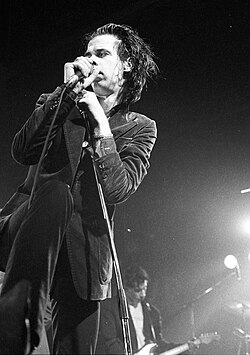
As the initial shock of the first wave faded, punk split into several distinct directions. New Wave brought a more polished, pop-oriented sound, while Post-Punk explored more experimental and atmospheric territories.
Parallel to these developments, Hardcore punk emerged, characterized by even faster speeds and more aggressive delivery. This era saw the rise of bands like Bad Brains and Flipper, and the development of "horror punk" by groups like the Misfits in New Jersey.
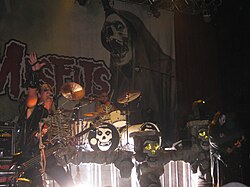
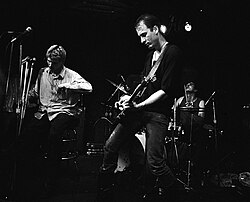
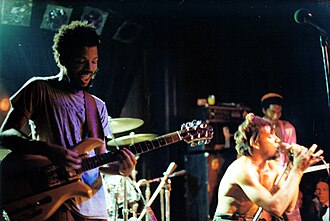
This period also saw the birth of Anarcho-punk, led by the band Crass. They rejected the "cult of rock star personality," adopting a plain, all-black dress code that became a staple of the genre.
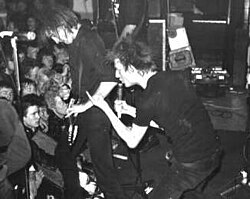
Modern Evolution and Mainstream Success
From the mid-1980s onward, punk continued to evolve through fusion and social movements. Queercore and Riot Grrrl (such as the band Bratmobile) emerged to challenge heteronormativity and sexism within the music scene.
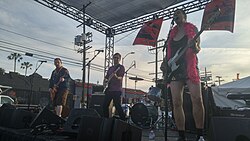
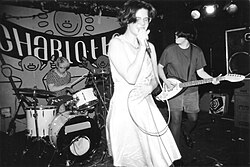
In the 1990s, Pop-punk brought the genre back into the mainstream. Green Day is credited with reviving widespread interest in punk rock in the United States, blending punk's energy with melodic sensibilities. Other influential acts like NOFX and Screeching Weasel further defined the skate punk and pop-punk sounds.
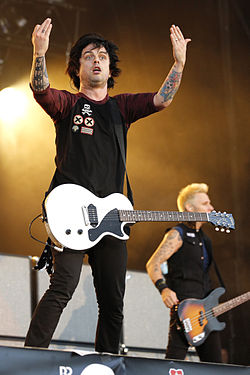
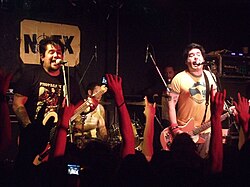
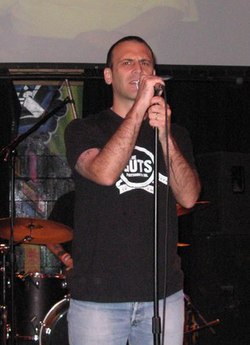
The legacy of punk also extends to alternative rock and the grunge movement, with musicians like Dave Grohl (later of Nirvana) coming up through the punk scene.
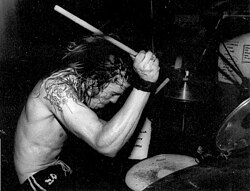
Punk Rock Summary
| Era | Key Styles/Subgenres | Notable Artists/Hubs | Primary Characteristics |
|---|---|---|---|
| Pre-1974 | Proto-punk, Garage Rock | Iggy Pop, The Stooges, The Kingsmen | Raw energy, distortion, simplicity |
| 1974–1977 | First Wave Punk | The Ramones, Sex Pistols, CBGB | Fast tempos, DIY ethic, rebellion |
| 1977–1984 | Hardcore, Post-Punk, Anarcho-punk | The Clash, Crass, Bad Brains | Aggression, experimentation, political activism |
| 1984–Present | Pop-punk, Riot Grrrl, Queercore | Green Day, Bratmobile, NOFX | Melodic hooks, social identity, mainstream reach |
Frequently Asked Questions
Who is considered the "godfather of punk"?
Iggy Pop is frequently referred to as the "godfather of punk" due to his influential work with The Stooges, which provided a blueprint for the genre's raw sound and performance style.
What is the DIY ethic in punk?
The DIY (Do-It-Yourself) ethic is a core tenet of punk that encourages people to create their own art, music, and zines without relying on major corporate labels or professional industry gatekeepers.
What is the difference between punk and hardcore?
While punk established the foundation of rebellion and simplicity, hardcore punk is a later evolution characterized by significantly faster tempos, shorter songs, and a more aggressive vocal and instrumental delivery.
Which bands helped bring punk into the mainstream in the 1990s?
Green Day is widely credited with reviving mainstream interest in punk rock in the United States during the 1990s, blending the genre's energy with pop-influenced melodies.
What was the Riot Grrrl movement?
Riot Grrrl was an underground feminist punk movement that combined music with political activism to address issues such as sexism, rape, and female empowerment.