Princeton Historic District: A Journey Through American Heritage
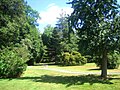
Nestled in the heart of Mercer County, New Jersey, the Princeton Historic District is a sprawling 370-acre testament to American history, education, and architecture. Listed on the U.S. National Register of Historic Places in 1975, this district serves as a living museum, stretching from the serene landscapes of Marquand Park in the west to the iconic eating clubs in the east.
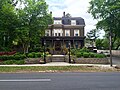
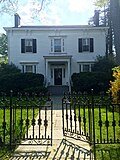
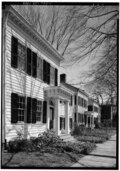
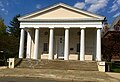
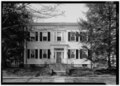
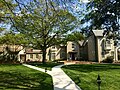
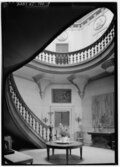
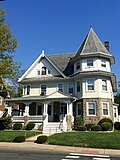
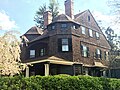
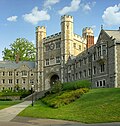
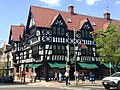
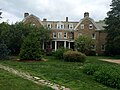
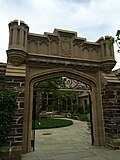
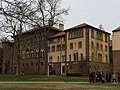
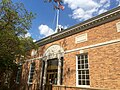
The district is not merely a collection of old buildings; it is the core of both Princeton University and the Princeton Theological Seminary. It blends the grandeur of university campuses with a bustling business district centered on Nassau Street and a diverse array of residential architecture, ranging from opulent mansions to modest dwellings in the Witherspoon and Jackson neighborhoods.
Key Facts
- Total Area: 370 acres (150 ha).
- Designations: Listed on the National Register of Historic Places (1975) and the New Jersey Register of Historic Places (1973).
- Landmark Density: Contains seven of Princeton's nine National Historic Landmarks, the highest concentration in New Jersey.
- Architectural Styles: Primarily Colonial, Late Victorian, and Mid-19th-Century Revival.
- Historical Significance: Site of the 1777 Battle of Princeton and former temporary capital of the United States (1783).
The Foundations of Princeton
The roots of the community date back to the 1690s, when Quakers first settled along the Stony Brook and established the Kingston Mill by the Millstone River. The town evolved around an ancient Indian trail, which eventually became the modern-day Nassau Street.
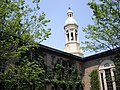
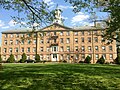
Education became the town's cornerstone with the founding of the College of New Jersey in 1746. The institution moved to its current location ten years later upon the completion of Nassau Hall, a structure that would become central to the American story.
Revolutionary War Significance
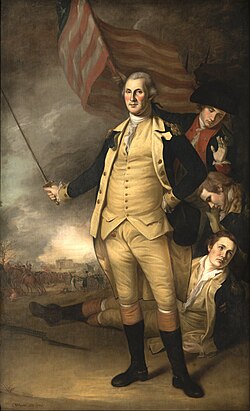
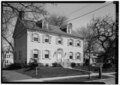
Princeton played a pivotal role during the American Revolution. The town was occupied by British forces, who utilized Bainbridge House as their headquarters. However, the tide turned on January 3, 1777, when George Washington led the Continental Army to a decisive victory at the Battle of Princeton.
The town's political importance peaked in the summer of 1783, when Nassau Hall served as the capital of the United States. It was here that George Washington received the formal thanks of the new nation.
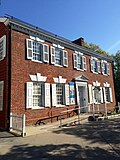
National Historic Landmarks
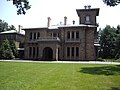
The district is renowned for its high concentration of National Historic Landmarks (NHL), which are sites designated by the U.S. government for their exceptional value to the nation's history.
| Landmark | Built | Significance |
|---|---|---|
| Nassau Hall | 1756 | Oldest university building; former U.S. capital (1783). |
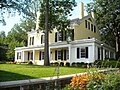
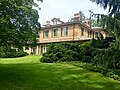
| Morven | 1750s | Built by Richard Stockton; former NJ Governor's mansion. |
| Maclean House | 1756 | Home of John Witherspoon, signer of the Declaration of Independence. |
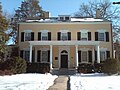
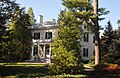
| Prospect | 1851 | Former presidential home; residence of Woodrow Wilson (1902-1910). |
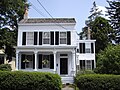
| Albert Einstein House | Before 1876 | Residence of Albert Einstein from 1933 until 1955. |
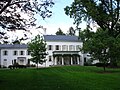
Architectural Diversity and Contributing Properties
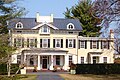
Beyond the landmarks, the district is defined by a rich tapestry of contributing properties that reflect the evolution of American taste and function.
Academic and Religious Institutions
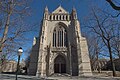
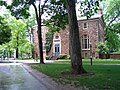
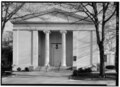
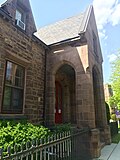
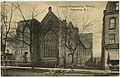
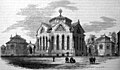
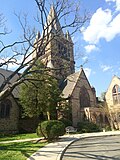
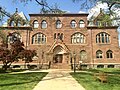
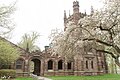
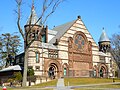
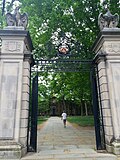
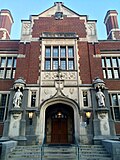
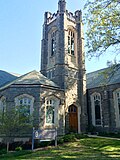
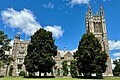
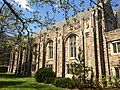
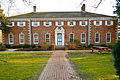
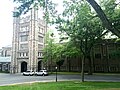
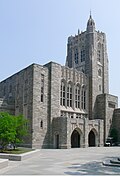
The district encompasses the Princeton University Chapel, a massive structure built in 1928 that was once the second largest university chapel in the world. Other significant sites include the Graduate College (1913) and the various halls of the Princeton Theological Seminary, such as Alexander Hall.
The Eating Clubs and Social Life
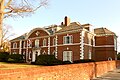
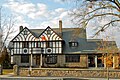
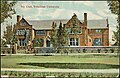
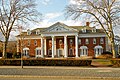
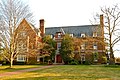
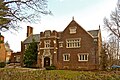
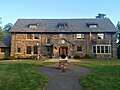
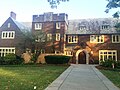
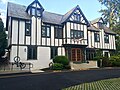
A unique feature of the district is the row of eating clubs—private social organizations for students. These include the University Cottage Club (1906), designed by the prestigious firm McKim, Mead & White, and the Ivy Club (1897). These structures represent a distinct blend of social history and collegiate architecture.
Residential and Commercial Heritage
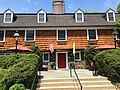
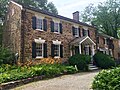
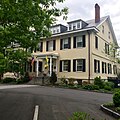
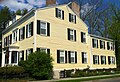
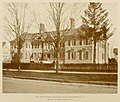
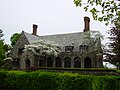
The district's residential character is highlighted by homes like the Joseph Henry House (1838) and the Walter Lowrie House (1845). The commercial heart remains centered on Nassau Street, featuring the historic Nassau Inn, which dates back to 1769 and remains the town's only full-service hotel.
Frequently Asked Questions
What is the significance of Nassau Hall?
Nassau Hall is the oldest building at Princeton University and was the largest building in New Jersey when completed in 1756. It is historically significant for serving as the home of the American government from July to October 1783.
Who are some of the famous residents associated with the district?
The district is linked to several towering figures, including signers of the Declaration of Independence Richard Stockton and John Witherspoon, former U.S. President Woodrow Wilson, and physicist Albert Einstein.
What are the "eating clubs" mentioned in the district?
Eating clubs are historic private social organizations located primarily along Prospect Avenue. They are a unique part of Princeton University's student culture and are represented by architecturally significant buildings like the Cottage Club and the Ivy Club.
How large is the Princeton Historic District?
The district covers 370 acres (150 hectares), encompassing the university campus, the theological seminary, the downtown business district, and various historic residential neighborhoods.
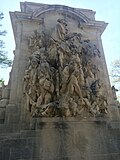
What is the Princeton Battle Monument?
Designed by Frederick MacMonnies and completed in 1922, this 50-foot monument commemorates the Battle of Princeton (January 3, 1777). It depicts General George Washington leading his troops to victory.