Prime Minister of Italy: History, Powers, and Evolution of the Office
The Prime Minister of Italy, officially known as the President of the Council of Ministers (Presidente del Consiglio dei ministri), serves as the head of government for the Italian Republic. Operating within a parliamentary system, the Prime Minister acts as the country's political leader and de facto chief executive, coordinating the executive branch to steer national policy.
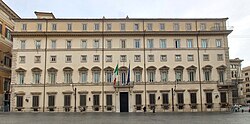
The office is established under Articles 92–96 of the Constitution of Italy. Unlike presidents in some other nations, the Italian Prime Minister is appointed by the President of the Republic and must maintain the confidence of the parliament to remain in power. The official residence and seat of government is the historic Chigi Palace in Rome.
Key Facts
- Official Title: President of the Council of Ministers.
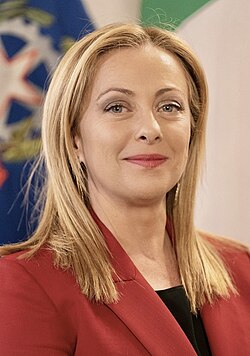
- Current Incumbent: Giorgia Meloni (since October 22, 2022), the first woman to hold the office.
- Appointment: Appointed by the President of the Republic.
- Term Length: Not fixed; depends on maintaining a parliamentary majority.
- Annual Salary: €99,000.
- Precedence: Fourth-highest state office, following the President and the presiding officers of the two houses of Parliament.
Historical Evolution of the Office
The Kingdom of Italy and Early Instability
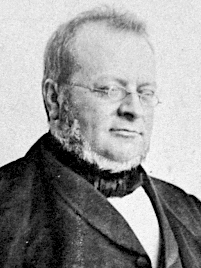
The office originated in 1848 within the Kingdom of Sardinia. Following the unification of Italy, the position was maintained under the Kingdom of Italy. The first Prime Minister was Camillo Benso di Cavour, appointed on March 23, 1861.
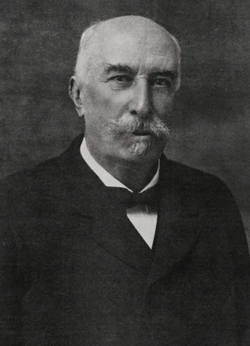
Between 1861 and 1911, the government fluctuated between the Historical Right and Historical Left. A prominent figure of this era was Francesco Crispi, a left-wing statesman from Southern Italy who led the country during two separate periods in the late 19th century.
The Giolittian Era
The early 20th century was marked by the influence of Giovanni Giolitti. Serving five separate terms between 1892 and 1921, Giolitti is the second-longest serving Prime Minister in Italian history. The "Giolittian Era" (1901–1914) is noted for progressive social reforms and increased government intervention to improve living standards.
The Fascist Dictatorship
Following the March on Rome in 1922, Benito Mussolini assumed power. He systematically dismantled parliamentary oversight, eventually transforming the office into a dictatorial role. In 1925, the title was changed to "Head of the Government, Prime Minister, Secretary of State," reflecting his absolute authority as the Duce of fascism.
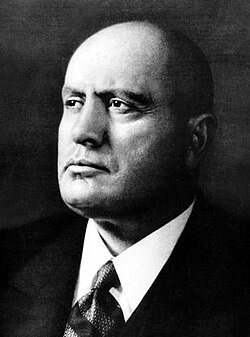
Mussolini remained in power until 1943, when King Victor Emmanuel III removed him. After a period of transition and the establishment of a puppet state during WWII, the original title of President of the Council of Ministers was restored in 1944 under Ivanoe Bonomi.
The Italian Republic
The First Republic (1946–1994)
After the 1946 referendum abolished the monarchy, Alcide De Gasperi became the first Prime Minister of the Italian Republic. De Gasperi, a founding father of the European Union, led a period dominated by the Christian Democracy (DC) party.
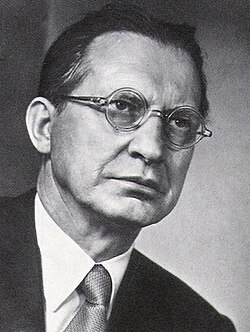
The latter half of the 20th century saw significant volatility, including the "Years of Lead" (late 1960s to early 1980s), a period of social conflict and terrorism. By the 1980s, non-DC leaders like Bettino Craxi took office; while the economy grew, national debt rose significantly during this time.
The Second Republic and Modern Era
The early 1990s were defined by the Mani pulite ("Clean Hands") investigation, which uncovered systemic corruption (Tangentopoli) and led to the collapse of the Christian Democrats. This vacuum allowed media mogul Silvio Berlusconi to enter politics, becoming the longest-serving post-war Prime Minister.
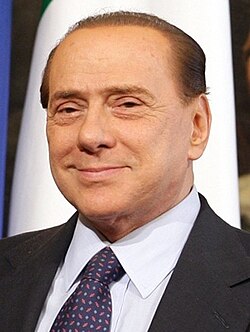
The 21st century has seen a variety of governments, including "technocratic" cabinets led by experts like Mario Monti and Mario Draghi, and populist coalitions led by Giuseppe Conte. On October 22, 2022, Giorgia Meloni was appointed, marking the first time a woman has led the Italian government.
Summary of Key Prime Ministers
| Name | Era/Period | Significance |
|---|---|---|
| Camillo Benso di Cavour | Kingdom of Italy | First Prime Minister (1861) |
| Giovanni Giolitti | Kingdom of Italy | Progressive social reforms; 2nd longest serving |
| Benito Mussolini | Fascist Regime | Longest serving; established totalitarian state |
| Alcide De Gasperi | Early Republic | First PM of the Republic; EU founding father |
| Silvio Berlusconi | Second Republic | Longest serving post-war PM |
| Giorgia Meloni | Modern Republic | First female Prime Minister |
Frequently Asked Questions
Who appoints the Prime Minister of Italy?
The Prime Minister is appointed by the President of the Italian Republic.
How long is the term of the Italian Prime Minister?
The term is not fixed. The Prime Minister remains in office as long as they are able to command a majority in the parliament.
What is the official title of the Prime Minister?
The official title is the President of the Council of Ministers (Presidente del Consiglio dei ministri).
Where does the Prime Minister of Italy reside and work?
The official residence and seat of the Council of Ministers is the Chigi Palace in Rome.
Who was the first woman to hold the office of Prime Minister?
Giorgia Meloni became the first female Prime Minister of Italy upon her appointment on October 22, 2022.