Poison Dart Frogs: Nature's Vibrant and Toxic Amphibians
The Dendrobatidae family, commonly known as poison dart frogs, represents some of the most visually striking and biologically fascinating creatures in the animal kingdom. These small amphibians are renowned for their brilliant colors and the potent chemical defenses they employ to survive in competitive tropical environments.
While many people associate these frogs with extreme toxicity, the family is diverse. Some species are legendary for their lethal skin secretions, while others rely on camouflage to blend into their surroundings. This balance of visibility and toxicity is a primary focus of evolutionary biology.
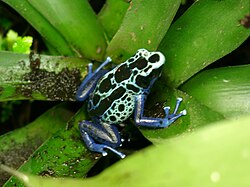
Key Facts
- Size: Most adults are small, often under 1.5 cm, though some reach up to 6 cm.
- Average Weight: Approximately 28 g.
- Defense Mechanism: Use of aposematism (warning coloration) to signal toxicity to predators.
- Chemical Basis: Toxicity is primarily derived from alkaloids.
- Diversity: Includes various genera such as Dendrobates, Phyllobates, and Ranitomeya.
Physical Characteristics and Aposematism
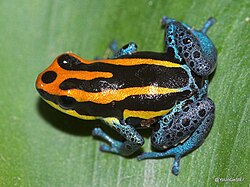
The most defining feature of poison dart frogs is their vivid coloration. This is an example of aposematism, a biological strategy where an organism uses bright colors or bold patterns to warn potential predators that it is toxic or unpalatable. There is a direct correlation between the intensity of a frog's color and its level of alkaloids.
For instance, frogs in the genus Dendrobates typically exhibit high toxicity and bright colors. In contrast, species within the genus Colostethus are cryptically colored (camouflaged) and lack toxicity, demonstrating that not all members of the Dendrobatidae family follow the same defensive strategy.
Taxonomy and Classification
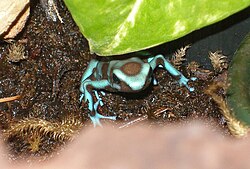
Poison dart frogs are classified under the order Anura and the family Dendrobatidae. The family is divided into several subfamilies, including Colostethinae, Dendrobatinae, and Hyloxalinae. This classification encompasses a wide range of species, from the tiny thumbnail dart frogs to the highly lethal golden poison frogs.
| Genus | Common Name | Approximate Species Count |
|---|---|---|
| Phyllobates | Golden poison frogs | 5 |
| Ranitomeya | Thumbnail dart frogs | 18 |
| Dendrobates | Poison dart frogs | 5 |
| Colostethus | Rocket frogs | 15 |
| Hyloxalus | - | 60 |
| Ameerega | - | 30 |
Toxicity and Medical Significance
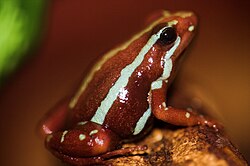
The toxicity of these frogs is not innate but is acquired through their diet. By consuming specific prey, such as oribatid mites, they sequester alkaloids—organic compounds that serve as chemical defenses. One of the most notable compounds is epibatidine, found in the skin of the phantasmal poison frog.
Beyond their role in nature, these toxins have significant medical interest. Epibatidine, for example, acts on nicotinic acetylcholine receptors and has been studied for its potential as a potent painkiller for treating neuropathic pain.
Life Cycle and Behavior
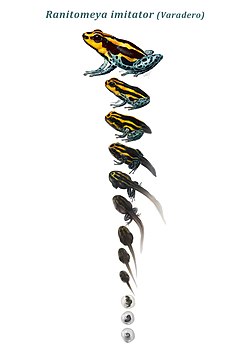
The developmental stages of poison dart frogs are complex. While adults are terrestrial and highly territorial, their early life begins as tadpoles. In some species, the behavior of tadpoles can be indiscriminate, sometimes leading to cannibalistic interactions.
Frequently Asked Questions
Are all poison dart frogs toxic?
No. While many are famous for their toxicity, some species, such as those in the genus Colostethus, are cryptically colored and not toxic.
How do these frogs get their poison?
They acquire their toxicity from their diet, specifically by eating certain insects and mites that contain alkaloids.
What is aposematism?
Aposematism is the use of bright warning colors to signal to predators that an animal is toxic or dangerous, thereby discouraging attacks.
Can poison dart frog toxins be used in medicine?
Yes, compounds like epibatidine have been researched for their ability to activate acetylcholine receptors, offering potential applications in pain management.
How large do poison dart frogs grow?
Most are very small, often measuring less than 1.5 cm, although a few larger species can grow up to 6 cm in length.