Piedra Museo: Uncovering Early Human Settlement in Argentina
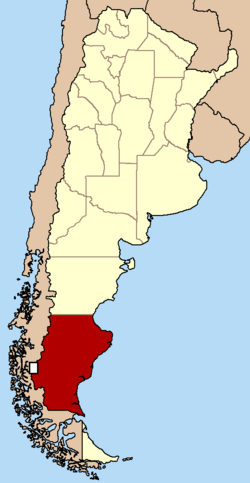
Deep in the heart of the Santa Cruz Province in Argentina lies Piedra Museo, an archaeological site of global significance. As one of the earliest known human remains in the Americas, this site provides critical evidence regarding how and when the first humans populated the Western Hemisphere, challenging long-held beliefs about prehistoric migration.
The site was first brought to light around 1910 by the Argentine naturalist Florentino Ameghino. Ameghino was a pioneer in the field, having authored the first detailed anthropological study of Argentina, La antigüedad del hombre en el Plata (The Antiquity of Man in the Río de la Plata Basin), in 1878.
Scientific Discoveries and Dating
While the site was discovered over a century ago, modern science has provided more precise insights into its age. In 1995, Dr. Laura Miotti, an archaeologist from the University of La Plata, conducted excavations that allowed for carbon dating—a scientific method used to determine the age of organic materials. This analysis revealed that the human fossil remains at Piedra Museo date back approximately 11,000 years.
Life of the Toldense People
The original inhabitants of the region were the Toldense people, a group of hunter-gatherers who adapted to the rugged environment of the Deseado Department. Their survival depended on hunting a variety of prey, including rhea and guanacos.
Archaeologists discovered spear heads at the site containing traces of Mylodon (giant ground sloths) and Hippidion (extinct horses). Both of these animals are known to have been extinct since at least 10,000 BC, confirming that the Toldense people coexisted with Pleistocene megafauna.
Challenging the Clovis First Hypothesis
Piedra Museo plays a pivotal role in the ongoing debate over the settlement of the Americas. For decades, the prevailing theory was the Clovis First hypothesis, which assumed that the Clovis culture was the first to inhabit the Western Hemisphere due to a lack of contradictory evidence.
However, Piedra Museo, alongside other sites such as Monte Verde in Chile, Pedra Furada in Brazil, and the Meadowcroft Rockshelter and Topper sites in the United States, provides evidence of human presence that predates or diverges from the Clovis timeline. These findings suggest a more complex and potentially earlier migration pattern into the Americas.
Preservation and Legacy
Today, the legacy of this ancient civilization is preserved for the public and researchers. Fossils from Piedra Museo, as well as petroglyphs (rock carvings) and artifacts from the nearby Los Toldos site, are housed in the Pico Truncado Regional Museum of History.
| Feature | Details |
|---|---|
| Location | Deseado Department, Santa Cruz Province, Argentina |
| Estimated Age | Approximately 11,000 years old |
| Original Inhabitants | Toldense people (Hunter-gatherers) |
| Key Prey | Mylodon, Hippidion, rhea, and guanacos |
| Primary Discoverer | Florentino Ameghino (c. 1910) |
Key Facts
- Located 250 km (150 mi) from Pico Truncado in Argentina.
- Human remains date back roughly 11,000 years via carbon dating.
- Evidence shows the Toldense people hunted extinct megafauna like the Mylodon and Hippidion.
- The site serves as evidence against the "Clovis First" theory of American settlement.
- Artifacts are currently curated at the Pico Truncado Regional Museum of History.
Frequently Asked Questions
Who were the Toldense people?
The Toldense people were prehistoric hunter-gatherers who inhabited the region of Santa Cruz, Argentina, subsisting on animals such as guanacos, rhea, and now-extinct megafauna.
What is the Clovis First hypothesis?
It is the archaeological assumption that the Clovis culture was the first human population to settle in the Western Hemisphere.
How old are the remains at Piedra Museo?
Carbon dating analysis conducted by Dr. Laura Miotti in 1995 indicates that the human fossil remains are approximately 11,000 years old.
What extinct animals are associated with this site?
Traces of Mylodon (giant ground sloth) and Hippidion (extinct horse) were found on spear heads discovered at the site.
Where can the artifacts from Piedra Museo be seen?
The fossils, artifacts, and petroglyphs from Piedra Museo and the nearby Los Toldos site are housed in the Pico Truncado Regional Museum of History.