Park Chung Hee Assassination: The End of an Era in South Korea
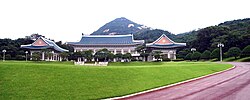
On the evening of October 26, 1979, the political landscape of South Korea was irrevocably altered. During a dinner at a Korean Central Intelligence Agency (KCIA) safe house—a secure facility used for covert operations—near the Blue House presidential compound in Seoul, President Park Chung Hee was assassinated. This event marked the first time a head of state had been assassinated on the Korean peninsula in 605 years, dating back to the death of King Gongmin of Goryeo.
The assassination was not merely a sudden act of violence but the culmination of deep-seated tensions within the presidential inner circle, specifically involving the rivalry between the KCIA Director and the Chief of the Security Service.

Key Facts
- Date: October 26, 1979, at approximately 7:40 p.m. KST.
- Location: KCIA safe house, Jongno District, Seoul, South Korea.
- Primary Assailant: Kim Jae-gyu, Director of the KCIA.
- Casualties: 6 deaths, including President Park Chung Hee and Security Chief Cha Ji-chul.
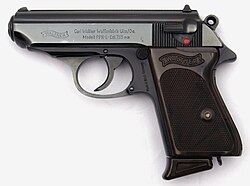
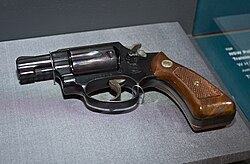
- Weapons Used: Smith & Wesson Model 36 and Walther PPK.
- Immediate Result: Declaration of martial law in all regions except Jeju Island.
The Events of October 26
The assassination took place during a dinner gathering. Kim Jae-gyu, the Director of the KCIA, acted as the primary assailant. In the ensuing violence, six people lost their lives: President Park Chung Hee, Cha Ji-chul, three bodyguards (including An Jae-song), and a presidential chauffeur.
The weapons used in the attack were a Walther PPK and a Smith & Wesson Model 36, two distinct handguns that played a central role in the tragedy.
The Immediate Aftermath
The hours following the shooting were characterized by confusion and secrecy. At approximately 11:40 p.m., Chief Secretary Kim Gye-won informed Army Chief of Staff Jeong and Minister of National Defense Noh Jae-hyun that Kim Jae-gyu was the culprit. Jeong subsequently ordered Chun Doo-hwan to take Kim Jae-gyu into custody.
During a cabinet meeting at 11:50 p.m., Prime Minister Choi Kyu-hah vaguely informed the State Council that a "serious situation concerning national security" had occurred, without explicitly stating that the President had been killed. Many members of the council remained unaware of the death until later that night.
Arrests and Confirmation
Kim Jae-gyu was arrested shortly after 12:30 a.m. on October 27, having been lured to a secluded area outside army headquarters. By 1:20 a.m., State Council members arrived at the Armed Forces Capital Hospital to confirm the President's death. The President's daughters, including Park Geun-hye and Park Geun-young, were present to mourn their father.
By 3:45 a.m., the government decided to declare martial law across nearly the entire country, excluding Jeju Island.
Legal Consequences and Retrials
The legal fallout was swift. Five men involved in the conspiracy were hanged at the Seoul Detention Center on May 24, 1980. However, the case remained a point of legal contention decades later.
In May 2020, the family of Kim Jae-gyu requested a retrial, alleging that the original investigation was illegal and that Kim had been subjected to torture. On February 19, 2025, the Seoul High Court approved this request, and the retrial commenced in mid-July 2025.
Summary of the Incident
| Category | Details |
|---|---|
| Date & Time | October 26, 1979; 7:40 p.m. KST |
| Primary Perpetrator | Kim Jae-gyu |
| Key Victims | Park Chung Hee, Cha Ji-chul |
| Total Deaths | 6 |
| Weaponry | Smith & Wesson Model 36, Walther PPK |
| Political Outcome | Martial Law; eventual transition of power |
Cultural Legacy
The assassination and the subsequent political turmoil have been widely depicted in South Korean media. Films such as The President's Barber (2004) and 12.12: The Day (2023)—which focuses on the coup following the investigation—have brought these events to new generations. Television series like 4th Republic and 5th Republic have also explored the rivalry between Kim Jae-gyu and Cha Ji-chul and the collapse of the Yushin regime.
Frequently Asked Questions
Who was the primary person responsible for the assassination?
The primary assailant was Kim Jae-gyu, who served as the Director of the Korean Central Intelligence Agency (KCIA).
How many people died during the event?
A total of six people died, including President Park Chung Hee, Security Chief Cha Ji-chul, three bodyguards, and a presidential chauffeur.
What weapons were used in the attack?
The assailants used a Smith & Wesson Model 36 and a Walther PPK.
Why was a retrial granted for Kim Jae-gyu in 2025?
The Seoul High Court approved the retrial based on claims from Kim's family that the original trial and investigation were illegal and involved the use of torture.
What was the immediate political reaction to the death?
The government declared martial law in all regions of South Korea, with the exception of Jeju Island, shortly after the event.