Pampero: The Powerful Cold Wind of the South American Pampas
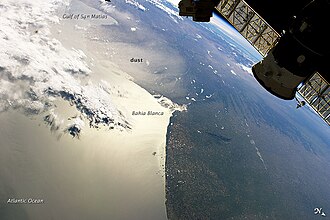
In the vast grasslands of South America, known as the pampas, the weather is often defined by dramatic shifts in temperature and wind. One of the most significant meteorological phenomena in this region is the Pampero, a sudden and often violent burst of cold polar air that sweeps across the landscape.
The Pampero originates from the west, southwest, or south, bringing a sharp contrast to the prevailing atmospheric conditions. It typically occurs during the passage of a cold front associated with an active low-pressure system. This wind often manifests as a squall line—a narrow band of high-intensity storms—resulting in a marked and rapid drop in temperature once the front has passed.
Key Facts
- Origin: Cold polar air moving from the west, southwest, or south.
- Affected Regions: Southern Brazil, Argentina, Uruguay, Paraguay, and Bolivia.
- Peak Season: Most common during the Southern Hemisphere winter (May to August).
- Atmospheric Trigger: Passage of a cold front from an active low-pressure system.
- Primary Effect: A sudden, significant decrease in temperature.
Regional Impact and Seasonality
While the Pampero is a staple of the winter months between May and August, its arrival is not always viewed as a hardship. In regions such as Buenos Aires, the wind plays a crucial role in regulating the climate during the summer.
During the summer months, the pampas often suffer from extreme heat and prolonged periods of high humidity. In these instances, Pampero storms are a welcome relief, effectively breaking the heatwave and clearing the oppressive humidity from the air.
| Feature | Description |
|---|---|
| Wind Direction | West, Southwest, or South |
| Geographic Reach | Brazil, Argentina, Uruguay, Paraguay, Bolivia |
| Typical Form | Squall line |
| Primary Season | May to August (Winter) |
| Temperature Effect | Rapid cooling |
Frequently Asked Questions
What exactly is a Pampero?
The Pampero is a strong, cold wind consisting of polar air that blows across the pampas of South America, typically triggered by a cold front.
Which countries are affected by the Pampero?
This wind affects the southern regions of Brazil, Argentina, Uruguay, Paraguay, and Bolivia.
When is the Pampero most likely to occur?
It is most frequent during the Southern Hemisphere's winter, specifically between the months of May and August.
Why is the Pampero considered beneficial in the summer?
In areas like Buenos Aires, Pampero storms provide relief by ending periods of extreme heat and high humidity.
How does the Pampero affect the temperature?
The passage of the Pampero, often in the form of a squall line, causes a marked and sudden drop in temperature.