Palmer Square: The Heart of Downtown Princeton
Located in the center of Princeton, New Jersey, Palmer Square is a premier public square and planned mixed-use development. Situated directly across Nassau Street from Princeton University, this vibrant hub seamlessly blends luxury shopping, diverse dining, professional offices, and upscale residential living.
The complex spans a total of 10 acres, with a central half-acre green that serves as a focal point for community gatherings and seasonal events. Today, it stands as the primary commercial destination for both residents and visitors to the borough.
Key Facts
- Founder: Edgar Palmer, heir to the New Jersey Zinc fortune.
- Architect: Thomas Stapleton.
- Architectural Style: Colonial Revival.
- Construction Period: 1936–1939.
- Total Area: 10 acres (including a 1/2 acre main green).
- Walkability: 95% walkability score for the residential component.
The History and Vision of Palmer Square
The development of Palmer Square began with a vision by Edgar Palmer to create a commercial complement to Princeton University while providing much-needed jobs during the Great Depression. Architect Thomas Stapleton designed the square in the Colonial Revival style—an architectural movement that seeks to emulate the design of American colonial buildings. Specifically, Stapleton drew inspiration from the then-new Colonial Williamsburg, utilizing specialty woodwork and Ludowici tile to achieve an authentic historical aesthetic.
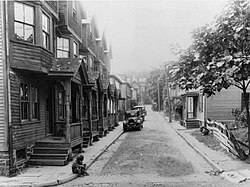
However, the creation of the square involved significant social displacement. In 1929, Baker Street was removed to make way for the project. This area was the center of Princeton's original African-American neighborhood; the houses were moved to Birch Avenue, and contemporary accounts of the time dismissively described the neighborhood as a "dingy small-town slum."
While construction was delayed by the economic hardships of the Depression until 1936, the project eventually realized a mixed-use downtown. Original plans included a playhouse movie theater and the Princeton Post Office. Although a proposed Borough Hall was never built, the development grew incrementally over 75 years, with new components added roughly every decade.
Modern Evolution and Residential Growth
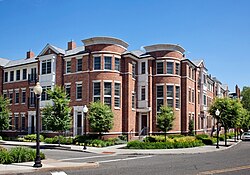
In recent decades, Palmer Square has expanded to fully realize Edgar Palmer's original vision of an integrated community. The addition of The Residences at Palmer Square on Paul Robeson Place introduced single-level condominium flats and multi-story townhomes. Designed by Minno & Wasko Architects and Planners, these residences mimic the original Federal-style brick exteriors to maintain visual harmony with the surrounding environment.
The commercial sector is anchored by One Palmer Square, a major office building that houses corporate tenants such as J. Crew and PNC Bank. The plaza in front of this building serves as the main downtown bus stop and features a sculpture by Seward Johnson.
Architectural Landmarks and Features
The Nassau Inn
The Nassau Inn serves as the centerpiece of the development. Originally located directly on Nassau Street, it was integrated into the square's design. A small park sits in front of the Inn, hosting the Borough's Christmas tree, while a nearby smaller square features a bronze statue of a tiger.
The Palmer Square Post Office
Built in 1937 during the New Deal, the post office is a contributing property of the Princeton Historic District. It is most notable for its mural, Columbia under the Palm, painted by Karl Free for the Section of Painting and Sculpture.
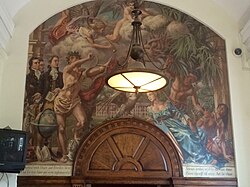
The mural has faced modern criticism for its depiction of European settlers bringing enlightenment to indigenous peoples. Due to the growth of Princeton, postal operations eventually moved to a larger facility in West Windsor. After a legal battle involving the New Jersey Historic Preservation Office to prevent the sale of the historic building, the property was sold to LCOR Ventures in 2013.
Palmer Square at a Glance
| Feature | Details |
|---|---|
| Location | Princeton, New Jersey |
| Construction Dates | 1936–1939 (Initial phase) |
| Primary Style | Colonial Revival / Federal |
| Key Amenities | Shopping, Dining, Hotel, Offices, Residences |
| Management | Palmer Square Management LLC |
Shopping and Dining
Palmer Square is home to a wide array of high-end retailers and local favorites. Major anchor stores include Hermès, Ralph Lauren, Arhaus, and J. Crew. The square also hosts a diverse mix of boutiques and eateries, ranging from luxury brands like Le Labo and Lululemon to local staples such as The Bent Spoon and the Princeton Corkscrew Wine Shop.
Frequently Asked Questions
Who funded the construction of Palmer Square?
The square was built by Edgar Palmer, who was the heir to the New Jersey Zinc fortune.
What architectural style is Palmer Square known for?
It was designed by Thomas Stapleton in the Colonial Revival style, with specific inspiration taken from Colonial Williamsburg.
What is the significance of the mural in the old post office?
The mural, titled Columbia under the Palm by Karl Free, is a New Deal-era work that has become a point of discussion due to its depiction of European settlers and indigenous peoples.
Is Palmer Square a residential area?
Yes, the development includes The Residences at Palmer Square, which consist of townhomes and condominium flats located on Paul Robeson Place.
How does the square relate to Princeton University?
Palmer Square was designed to be a commercial and social complement to the university, which is located directly across Nassau Street.