Owls: Biology, Evolution, and Diversity of the Strigiformes
Owls are highly specialized birds of prey belonging to the order Strigiformes. Known for their exceptional hearing, keen vision, and silent flight, these avian predators have evolved over millions of years to become some of the most efficient hunters in the animal kingdom. From the tiny elf owl to the massive Eurasian eagle-owl, the diversity within this order reflects a wide range of ecological adaptations.
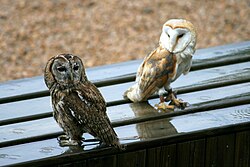
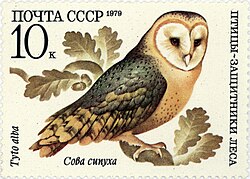
Modern owls are divided into two primary families: the Strigidae (true owls or typical owls) and the Tytonidae (barn owls). While they share many characteristics, they differ in skeletal structure and facial morphology.
Key Facts
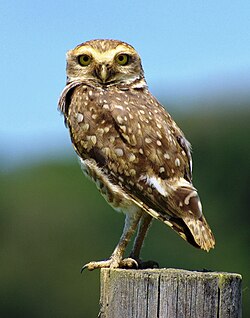
- Species Diversity: There are approximately 220 to 225 extant species of owls.
- Size Range: The elf owl is the smallest (31 g), while the Eurasian eagle-owl and Blakiston's fish owl are among the largest (up to 4.2 kg).
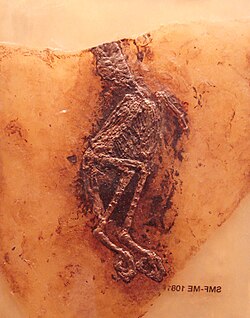
- Ancient Lineage: Fossil evidence suggests owls have existed as a distinct lineage for 60 to 57 million years.
- Conservation Status: Most owl species are protected under Appendix II of the CITES treaty.
Anatomy and Physical Adaptations
Size and Dimorphism
The physical scale of owls varies dramatically. The elf owl (Micrathene whitneyi) is the smallest, weighing as little as 31 g and measuring roughly 13.5 cm. At the opposite end of the spectrum, the Eurasian eagle-owl (Bubo bubo) and Blakiston's fish owl (Ketupa blakistoni) are the giants of the order. Large females of these species can reach 71 cm in length, with a wingspan of 190 cm and a weight of 4.2 kg.
Specialized Hunting Tools
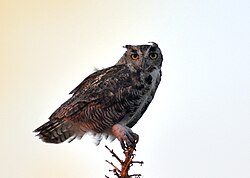
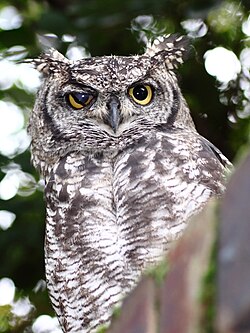
Owls possess several biological adaptations that make them lethal predators. Their talons provide a powerful grip for capturing prey, while their sharp beaks are designed for tearing meat. Their vision is highly developed, featuring nictitating membranes—transparent third eyelids that protect the eye while maintaining visibility.
Silent Flight and Feathers
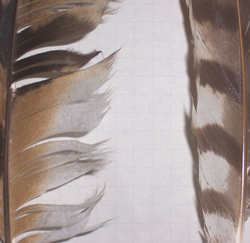
One of the most remarkable features of the owl is its ability to fly almost silently. This is achieved through specialized remex (flight feathers) that differ significantly from those of other raptors, such as hawks. Serrations on the leading edge of the feathers break up air turbulence, reducing the noise produced during flight and allowing the owl to ambush prey undetected.

Camouflage and Protection
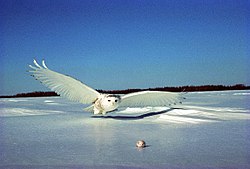
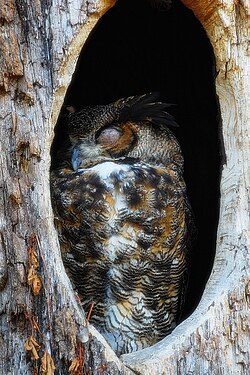
To avoid detection by both prey and predators, owls utilize advanced camouflage. The snowy owl, for example, uses white plumage to blend into Arctic environments. Many species also seek shelter in hollow trees or burrows during the day to remain hidden.
Evolution and Systematics
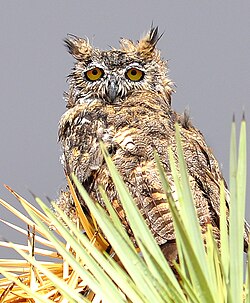
The evolutionary history of owls extends back to the Late Paleocene, roughly 60 million years ago. This makes them one of the oldest known groups of landbirds outside of the Galloanserae (fowl). While modern owls are highly specialized, extinct families like the Sophiornithidae were less specialized or adapted for terrestrial life.
Taxonomic Classification
The order Strigiformes is split into two main families:
- Strigidae: Includes a vast array of genera such as Bubo (eagle-owls), Strix (earless owls), and Glaucidium (pygmy owls).
- Tytonidae: Includes the barn owls and the bay owls (genus Phodilus).
| Feature | Strigidae (True Owls) | Tytonidae (Barn Owls) |
|---|---|---|
| Common Name | Typical Owls | Barn Owls |
| Diversity | High (many genera) | Lower (fewer genera) |
| Facial Shape | Generally round | Heart-shaped |
Conservation and Threats
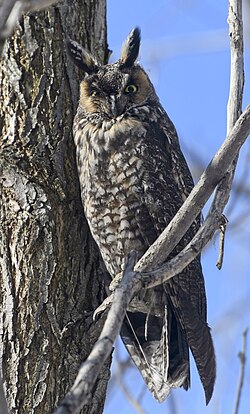
Owls face various threats, including habitat loss and illegal poaching. Most species are listed under the CITES (Convention on Illegal Trade in Endangered Species of Wild Fauna and Flora) treaty. In some regions, such as Malaysia, there has been a concerning rise in the poaching of owls for wild meat, with reports of large-scale seizures of plucked birds.
![The snowy owl is very endangered in Scandinavia[81] and Finland, where it is found only in northern Lapland.[82]](/images/af/f0/aff000a20a25016a9933dad4dc183bd5a162ba53107cc995f1f966fc0003227f.jpg)
Frequently Asked Questions
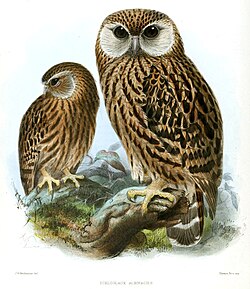

What is the difference between a true owl and a barn owl?
True owls (Strigidae) generally have rounder faces and a wider variety of species and sizes, whereas barn owls (Tytonidae) are characterized by their distinct heart-shaped facial discs.
How do owls fly so silently?
Owls have specialized serrations on the leading edges of their flight feathers that reduce air turbulence and noise, allowing them to glide toward prey without being heard.
Which is the smallest owl species?
The elf owl (Micrathene whitneyi) is the smallest, weighing as little as 31 grams and measuring approximately 13.5 cm in length.
How old is the owl lineage?
Fossil evidence from the Paleocene suggests that owls emerged as a distinct lineage between 60 and 57 million years ago.
Are owls endangered?
While many species are stable, some are highly endangered, such as the snowy owl in Scandinavia and Finland. Most are protected under international law via CITES to prevent illegal trade.