Old-Growth Forests: Ecology, Characteristics, and Global Status
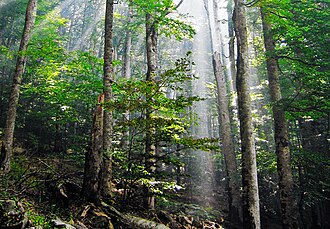
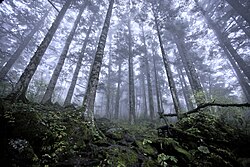
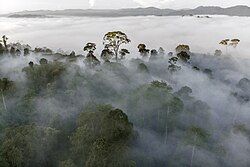
An old-growth forest is a complex ecosystem that has developed over a vast period without significant disturbance. These forests are more than just collections of old trees; they are biological reservoirs characterized by unique ecological features that support immense biodiversity. According to the Food and Agriculture Organization of the United Nations (FAO), these are often categorized as primary forests—naturally regenerated forests of native species where human activity is not clearly visible and ecological processes remain undisturbed.
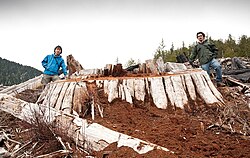
While often used interchangeably, there is a distinction between old-growth and virgin (or first-growth) forests: the latter refers specifically to old-growth forests that have never been logged. Currently, primary forests make up approximately 34% of the world's total forest cover.
Key Facts
- Global Extent: As of 2025, approximately 11.3 million square kilometers of primary forest remain worldwide.
- Major Reservoirs: Brazil, Canada, and Russia hold 62% of the world's remaining primary forests.
- Loss Trends: The net area of primary forest has decreased by 1.1 million square kilometers since 1990, though the rate of loss halved between 2010–2020 compared to the previous decade.
- Regional Distribution: Europe holds the largest area of primary forest (311 million ha), followed by South America (299 million ha) and North and Central America (280 million ha).
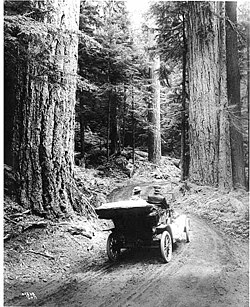
- Historical Loss: An estimated 90% of old-growth forests in the contiguous United States from the 1600s have been cleared.
Defining Old-Growth Characteristics
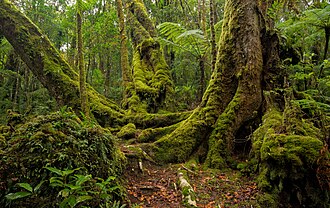
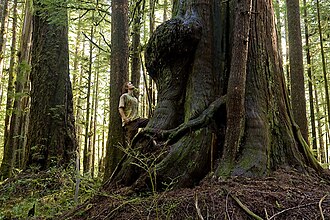
The transition from a second-growth forest (a forest regenerating after a severe disturbance like wildfire or logging) to an old-growth forest varies by climate and species. In the eastern United States, hardwood forests may take 150 to 500 years to develop these traits. In contrast, coastal rainforests in British Columbia define old growth as trees over 250 years old, while interior forests in the same province use a threshold of 120 to 140 years due to frequent natural fires.
Structural and Compositional Features
Old-growth forests are defined by their structural complexity rather than just the age of the trees. Key features include:
- Multi-layered Canopies: A diverse vertical structure with varying tree heights and diameters.
- Canopy Gaps: Small-scale disturbances that create openings, allowing light to reach the forest floor and promoting natural regeneration.
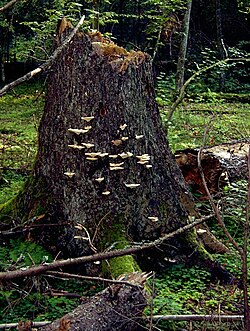
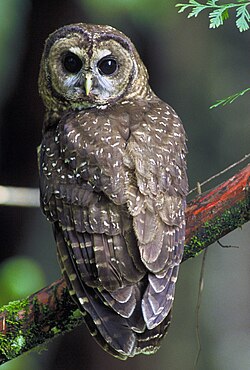
- Standing Snags: Dead or dying trees that provide critical nesting and foraging habitats for wildlife.
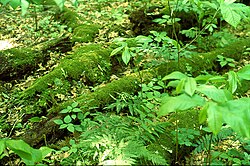
- Coarse Woody Debris: Fallen logs and decaying wood that replenish topsoil and support fungi and insects.
Ecological Processes
These forests reach a relatively steady state of development. They are characterized by long-term continuity of species on a single site and minimal evidence of human interference. The presence of diverse tree classes and sizes of woody debris creates a mosaic of habitats that significantly increases the biodiversity of the ecosystem.
Global Distribution and Threats
The remaining tracts of old-growth forests are under varying degrees of pressure. In North America, approximately 28% of ancient forests remain, with many fragmented areas lacking the travel corridors necessary for large mammals. Most remaining old-growth in the U.S. and Alaska is located on public land.
![Old-growth forest in the Opal Creek Wilderness, a wilderness area located in the Willamette National Forest in the U.S. state of Oregon, on the border of Mount Hood National Forest. It has the largest uncut watershed in Oregon.[56]](/images/fc/f8/fcf8560825b84561d1de1a9585ceb6b7209c634c14e81200f9bbffdd625663d0.jpg)
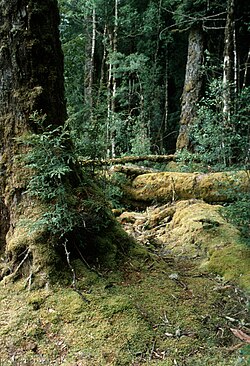
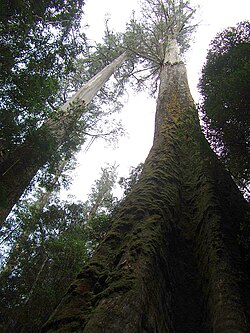
In Australia, Tasmania holds the largest amount of temperate old-growth rainforest reserves. However, conservation efforts have been uneven; while some areas are protected, those containing timber species highly desirable to the industry have been poorly preserved. Since 1996, 10,000 hectares of tall-eucalypt old-growth forest have been lost primarily to industrial logging.
Summary of Old-Growth Forest Data
| Metric/Region | Value/Status | Notes |
|---|---|---|
| Global Primary Forest Area (2025) | 11.3 million km² | Approx. 34% of all forests |
| Top 3 Holding Countries | Brazil, Canada, Russia | Contain 62% of global primary forest |
| Europe Primary Forest Area | 311 million ha | Largest regional area |
| South America Primary Forest Area | 299 million ha | Second largest regional area |
| North/Central America Primary Forest Area | 280 million ha | Third largest regional area |
| Loss Rate (2015–2025) | 1.61 million ha/year | Less than half the 2000–2015 rate |
Frequently Asked Questions
![Redwood tree in northern California redwood forest: According to the National Park Service, "96 percent of the original old-growth coast redwoods have been logged."[26]](/images/64/af/64af8024a545d2959ee579fc61b4515f2610e7bff49a7ca036c5bae6e5a42c4c.jpg)
What is the difference between a primary forest and an old-growth forest?
While often used interchangeably, the FAO defines primary forests as naturally regenerated forests of native species with no visible human activity and undisturbed ecological processes. Old-growth is a broader term describing forests that have developed over a long period, exhibiting specific structural features like multi-layered canopies and standing dead trees.
How long does it take for a forest to become "old-growth"?
The timeline varies by ecosystem. Hardwood forests in the eastern U.S. may take 150 to 500 years. In British Columbia, the threshold is 120 to 140 years for interior forests and over 250 years for coastal rainforests. In Australia, eucalypts rarely exceed 350 years due to frequent fire disturbances.
Why are standing dead trees (snags) important?
Standing snags and decaying logs are essential structural components of old-growth forests. They provide critical wildlife habitats, support specialized fungi and insects, and eventually replenish the soil as they decay, contributing to the overall biodiversity and nutrient cycle of the forest.
Which countries have the most primary forests remaining?
Brazil, Canada, and Russia are the primary custodians of the world's remaining primary forests, collectively holding 62% of the global total.
What is a virgin forest?
A virgin forest, also known as a first-growth forest, is a specific type of old-growth forest that has never been logged by humans.