The Essential Role of Pollinators: Sustaining Life and Biodiversity
Imagine a world where one out of every three bites of food simply vanished. This is the stark reality we face as global pollinator populations decline. From the smallest midge to the largest bat, pollinators are the unsung heroes of our ecosystem, ensuring the survival of wild plants and the stability of our global food supply.
At its most basic level, a pollinator is an animal that moves pollen from the anther (the male, pollen-producing part of a flower) to the stigma (the female part of a flower). This critical transfer enables the fertilization of ovules by male gametes, allowing plants to produce seeds and fruit. It is important to distinguish the pollinator from the pollenizer, which is the plant that serves as the actual source of the pollen.
The Diverse World of Pollinators
While many people immediately think of honey bees, the spectrum of pollinators is incredibly broad, spanning various insect families and vertebrate species.
Insect Pollinators
Insects are the primary drivers of pollination for most plants. Among them, bees are widely regarded as the most effective. While honey bees are famous, they are not native to the Western Hemisphere; historically, the native plants of the Americas and Australia have relied on a vast array of native bee species.
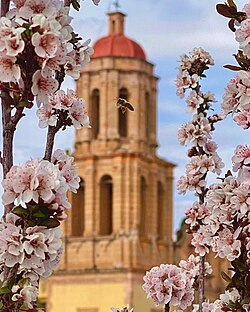
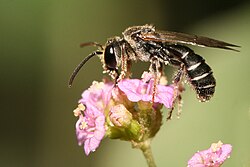
Beyond bees, other insects play vital roles:
- Flies: Hoverflies are often considered the second most important pollinators after wild bees. Some species use deceit to attract pollinators; for example, the orchid Epipactis veratrifolia mimics the alarm pheromones of aphids to lure hoverflies. Other flies, such as dacine fruit flies, are exclusive pollinators for certain Bulbophyllum orchids, attracted by specific chemical fragrances like raspberry ketone.
- Lepidopterans: This group includes both butterflies and moths, which visit flowers for nectar.
- Beetles: Some beetles specialize in eating pollen or nectar, making them essential cross-pollinators for plants in the Araceae and Zamiaceae families.
- Wasps and Ants: Various aculeate wasps and ants also contribute to the pollination process.
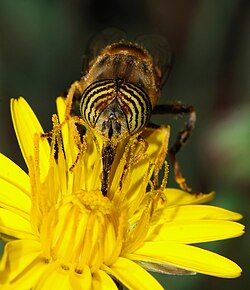
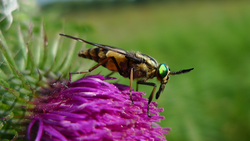
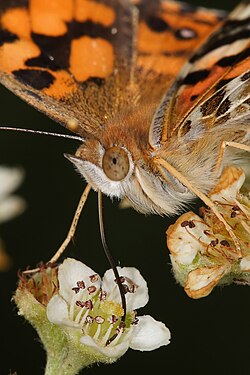
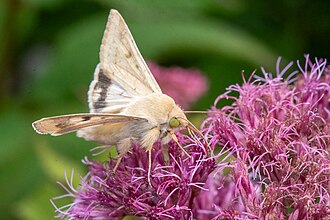
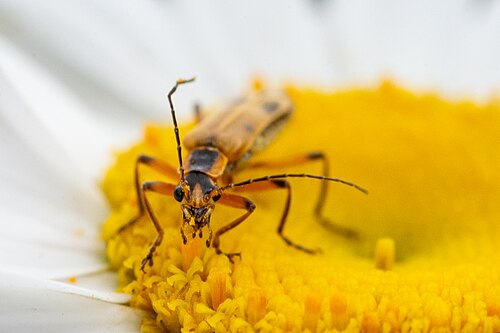
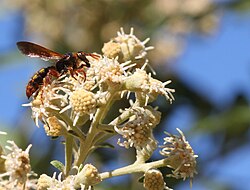
Some pollination occurs in extreme or unexpected environments. In alpine regions, flies from the Anthomyiidae, Empididae, and Muscidae families often become the primary pollinators at high elevations. Even the chocolate industry relies on tiny pollinators; biting midges (Ceratopogonidae) are responsible for pollinating Theobroma cacao because the pollen is inaccessible to larger insects.
Vertebrate and Unusual Pollinators
Pollination is not limited to insects. Bats are crucial for many tropical flowers, while birds—specifically hummingbirds, honeyeaters, and sunbirds—use their long beaks to pollinate deep-throated flowers. Other mammals, including monkeys, lemurs, possums, rodents, and even canids (such as the Ethiopian wolf), have been recorded as pollinators. Some lizards also fill this role in specific island ecosystems.
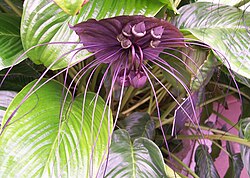
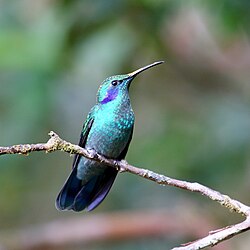
Scientific discovery continues to expand our understanding of these processes. Researchers have found that cycads (non-flowering plants) are insect-pollinated, and as recently as 2016, evidence emerged of pollination occurring underwater, mediated by marine invertebrates.
| Group | Key Examples | Special Characteristics |
|---|---|---|
| Bees | Honey bees, Native bees, Bumblebees | Most effective at depositing pollen. |
| Flies | Hoverflies, Biting midges, Fruit flies | Crucial for cacao and high-altitude plants. |
| Lepidopterans | Butterflies, Moths | Attracted to nectar; wide variety of species. |
| Beetles | Soldier beetles, Hopliini | Important for Araceae and Zamiaceae. |
| Vertebrates | Bats, Hummingbirds, Lemurs, Lizards | Often pollinate deep-throated or tropical flowers. |
The Support System: Floral and Non-Floral Resources
To survive and thrive, pollinators require more than just nectar. While floral diversity increases the immunocompetence of honey bees (enhancing their ability to sterilize their colony via glucose oxidase activity), many species depend on non-floral resources. Over 30% of global bee species rely on materials like soil, plant resins, leaves, and secretions for nest building, protection, and health. These resources are frequently provided by woody vegetation.
The Crisis: Population Decline and Human Impact
Pollinators provide an ecosystem service that is vital to terrestrial productivity. However, they are currently in a state of significant decline. In the United States, a 2017 report found that nearly 1 in 4 native bee species is imperiled. Globally, approximately 40% of insect pollinators are highly threatened.
The causes of this decline are multifaceted, including:
- Loss of forage lands and natural habitats.
- Poor nutrition and lack of genetic diversity.
- Parasites and pathogens.
- Exposure to pesticides, specifically neonicotinoids (a class of neuro-active insecticides).
The consequences for humanity are severe. At least 80% of the world's crop species require pollination to set seed. A 2021 study estimated that without pollinators, fertility would be reduced by 80% in half of all wild plant species. Furthermore, a 2022 study concluded that the resulting reduction in healthy foods (a 3–5% loss of fruits, vegetables, and nuts) contributes to an estimated 500,000 early human deaths per year.
Global Conservation Strategies
Governments and organizations worldwide are implementing strategies to reverse these trends:
North America
The North American Pollinator Protection Campaign (NAPPC) works with government agencies to protect over 1.5 billion acres of land. In the U.S., a 2014 presidential memorandum established a Pollinator Health Task Force with goals to reduce honey bee winter mortality to 15% and restore 7 million acres of pollinator habitat.
Europe and South America
The European Union's Biodiversity Strategy for 2030 and the EU Pollinators Initiative aim to reverse declines in diversity and numbers. In South America, the Healthy Hives Latin America 2020 program collaborates with researchers in Chile, Colombia, Argentina, and Costa Rica to monitor and improve honey bee health.
Global Efforts
The "Coalition of the Willing on Pollinators," initiated in 2016, currently includes 30 countries committed to country-led policy measures to protect these essential species.
The Fragility of Pollinator Networks
Pollinators and plants exist in complex interaction networks. Interestingly, these networks often share similar structures across different continents and ecosystems. However, this interconnectedness creates a vulnerability: if conditions become too harsh, a community-wide collapse can occur suddenly. Once a collapse happens, the environmental improvement required for recovery is often significantly greater than the threshold that caused the collapse in the first place.