Understanding the Democratic People's Republic of Korea
The Democratic People's Republic of Korea (DPRK), commonly known as North Korea, is a unitary communist state located on the northern half of the Korean Peninsula. Characterized by its unique political structure and centralized governance, the nation has a complex history shaped by post-war division, ideological shifts, and a distinct cultural identity.
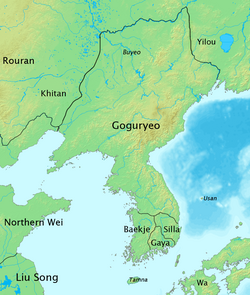
Key Facts
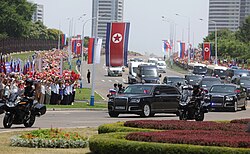
- Capital: Pyongyang
- Official Language: Korean (Munhwaŏ)
- Official Script: Chosŏn'gŭl
- Government Type: Unitary communist state
- Current Leader: Kim Jong Un (WPK General Secretary and SAC President)
- Total Area: 120,538 km²
- Population: Approximately 25.95 million (2024 estimate)
- Currency: Korean People's won (KPW)
Historical Context and Establishment
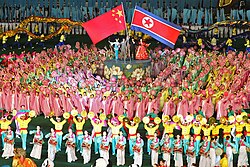
The modern history of the DPRK is deeply rooted in the aftermath of World War II. Following the surrender of Japan on September 2, 1945, the Korean Peninsula underwent a period of transition. A Soviet administration was established north of the 38th parallel on October 3, 1945, leading to the formation of a provisional government in February 1946.
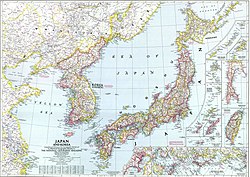
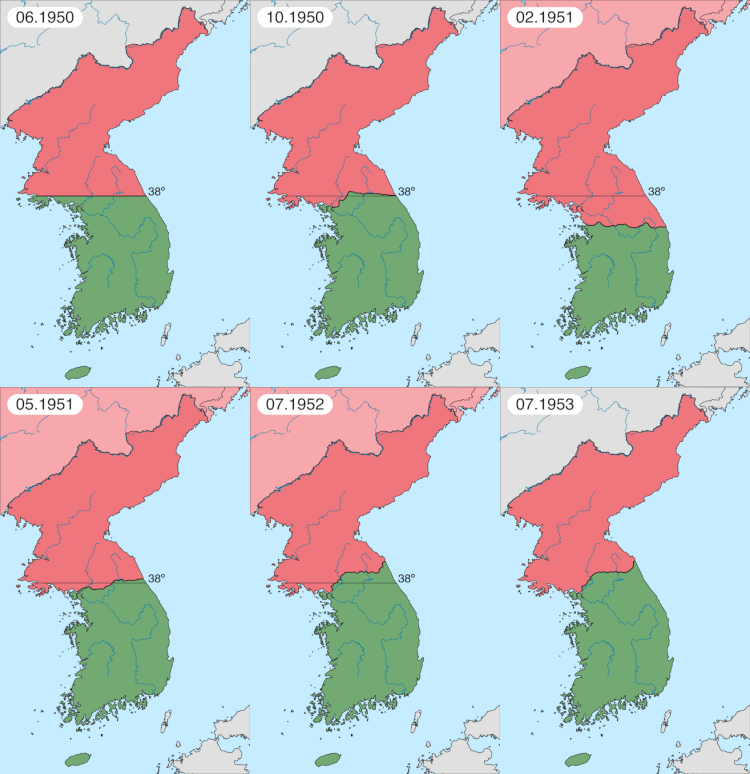
The Democratic People's Republic of Korea was officially established on July 10, 1948. The nation's political landscape was further defined by the Korean War, a period of intense conflict where territory frequently changed hands before the front lines stabilized.
The Leadership of the Kim Dynasty
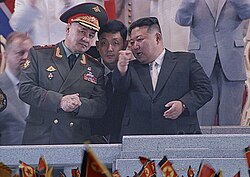
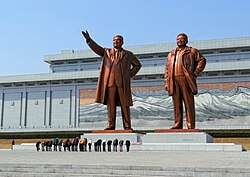
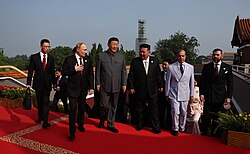
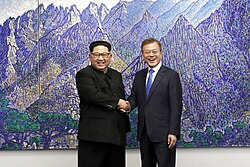
The political structure of North Korea has been defined by the leadership of the Kim family. Following the foundational era of Kim Il Sung, the nation transitioned through the leadership of Kim Jong Il, and is currently led by Kim Jong Un. As the General Secretary of the Workers' Party of Korea (WPK) and President of the State Affairs Commission (SAC), Kim Jong Un holds supreme authority over the state.
Geography and Climate
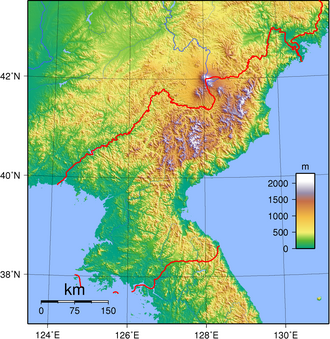
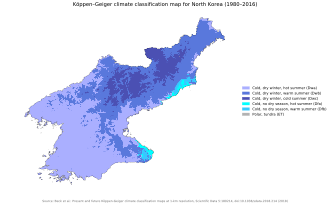
North Korea covers a total area of 120,538 square kilometers, with water accounting for only 0.11% of its territory. The landscape is diverse, ranging from coastal regions to mountainous interiors.
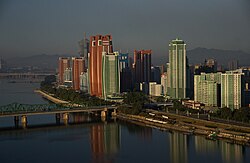
The country is divided into several administrative units, including provinces (do), special cities (teukpyolsi), and directly governed cities (chikhalsi). Pyongyang serves as the capital and the largest city, acting as the nation's political and cultural hub.
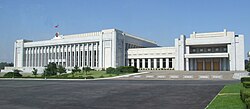
Major Administrative Divisions
The nation is organized into various provinces and special administrative zones, including:
- Provinces: South Pyongan, North Pyongan, Chagang, South Hwanghae, North Hwanghae, Kangwon, South Hamgyong, North Hamgyong, and Ryanggang.
- Special Cities/Zones: Kaesong, Rason, and Nampo.
Demographics and Society
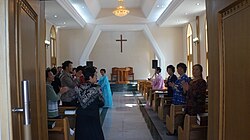
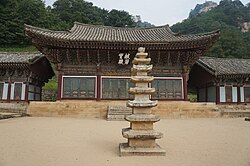
As of 2024, the population is estimated at 25,950,000. The society is characterized by a unique religious landscape; according to 2020 data, 72.9% of the population identifies as having no religion, while 13% practice Chondoism and 12% practice Shamanism. Buddhism accounts for 1.5% of the population.
Urban Life and Infrastructure
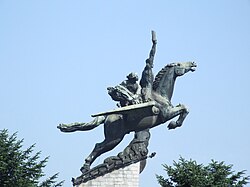
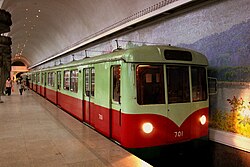
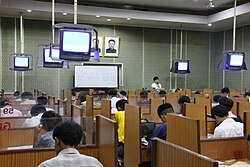
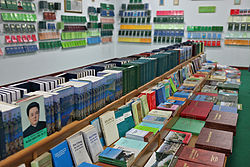
Pyongyang is the center of urban development, featuring significant landmarks such as the Pyongyang Metro, which is designed with bomb shelter functions. The city also hosts various cultural and educational institutions, including the Grand People's Study House.
Economy and Technology
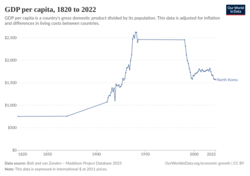
The economic landscape of the DPRK is complex. The 2023 estimate for GDP (PPP) was $15.416 billion, with a per capita figure of $600. The 2024 nominal GDP estimate stands at $32.036 billion, with a per capita value of $1,261. The nation maintains a low Gini coefficient of 16.6, indicating low inequality.
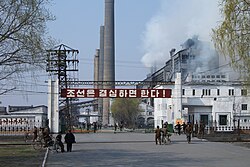
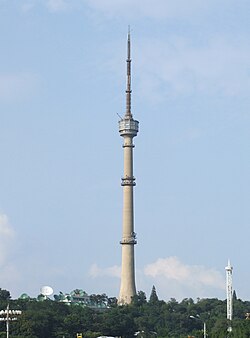
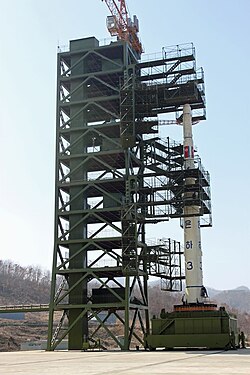
In recent years, there has been a visible focus on science, technology, and industrial development. This includes advancements in space technology, such as the Unha-3 space launch vehicle, and efforts to modernize urban infrastructure.
Summary of National Statistics
| Category | Details |
|---|---|
| Official Name | Democratic People's Republic of Korea |
| Capital City | Pyongyang |
| Population (2024 Est.) | 25,950,000 |
| GDP (Nominal 2024 Est.) | $32.036 Billion |
| Currency | Korean People's won (KPW) |
| Time Zone | UTC +09:00 |
Frequently Asked Questions
![2017 composite satellite image of the Korean Peninsula at night, showing the difference in lighting between North and South Korea[257]](/images/c5/e3/c5e3f7890b186543373bc057dfb31951b7ec4fa0cdcf8d6713b9e437679d63f4.jpg)

What is the difference between North Korea and South Korea?
While both share a common history and language, they are two distinct political entities. The Democratic People's Republic of Korea (North) is a unitary communist state, whereas the Republic of Korea (South) is a different sovereign nation.
What are the main religions practiced in North Korea?
The majority of the population (72.9%) identifies as having no religion. Other significant groups include followers of Chondoism (13%) and Shamanism (12%), with Buddhism representing 1.5%.
What is the official language and script of the DPRK?
The official language is Korean (specifically the Munhwaŏ dialect), and the official script used is Chosŏn'gŭl.
How is the country governed?
The DPRK is a unitary communist state. The government is led by the Workers' Party of Korea (WPK), with the Supreme Leader holding key roles such as General Secretary of the WPK and President of the State Affairs Commission.
What is the capital of North Korea?
Pyongyang is the capital and the largest city of the Democratic People's Republic of Korea.