New 7 Wonders Cities: The Global Urban Winners
The New 7 Wonders Cities campaign was a global initiative designed to recognize the most remarkable urban centers across the globe. Operated by the New 7 Wonders Foundation, this project served as the third installment in a series of internet-based polls, following the highly successful New 7 Wonders of the World and New 7 Wonders of Nature campaigns.
The selection process was a massive undertaking that began in 2007. It attracted more than 1,200 nominations from 220 different countries, reflecting the diverse architectural and cultural heritage of humanity's cities.
The Selection Process
To ensure a fair and prestigious outcome, the New 7 Wonders Foundation implemented a rigorous filtering process. Initially, a longlist of 77 cities was created, with a strict limit of one city per country. This list was then reviewed by an expert panel led by Federico Mayor Zaragoza, the former director-general of UNESCO.
The panel narrowed the longlist down to a shortlist of 28 suggestions. This final group of candidates was then put to a public vote, allowing people worldwide to decide which cities truly represented the pinnacle of urban wonder. The process concluded between 2011 and 2014 with the official announcement of the winners.
Key Facts
- Campaign Period: The poll began in 2007 and concluded in 2014.
- Global Reach: Over 1,200 nominees were submitted from 220 countries.
- Expert Oversight: The shortlisting panel was headed by former UNESCO director-general Federico Mayor Zaragoza.
- Finalists: 28 cities reached the final public voting stage.
- Winners: Seven cities were ultimately selected as the New 7 Wonders Cities.
The Winning Cities
The winning cities represent a vast array of time periods and geographic locations, from ancient settlements to modern metropolises. These cities were recognized for their unique contributions to urban civilization.
| City | Country | Established |
|---|---|---|
| Beirut | Lebanon | 3000 BC |
| Doha | Qatar | 1825 |
| Durban | South Africa | 1880 |
| Havana | Cuba | 1519 |
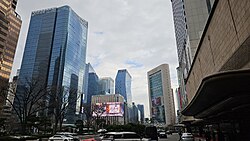
| Kuala Lumpur | Malaysia | 1859 |
| La Paz | Bolivia | 1548 |
| Vigan | Philippines | 1572 |
The Finalists
While only seven cities took the top honors, 21 other cities were recognized as finalists. These cities, spanning every continent, demonstrated immense historical and cultural value.
European and American Finalists
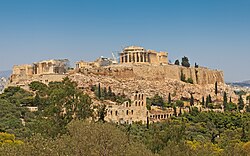
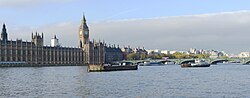
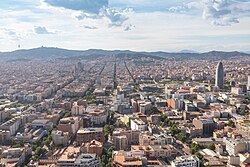
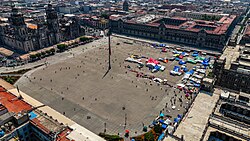
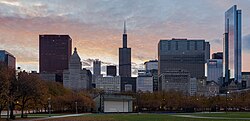
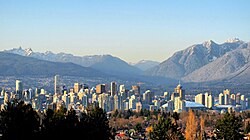
The list included historic European hubs such as Athens (3000 BC), London (47 AD), and Barcelona (218 BC), as well as North and South American cities like Mexico City (1325), Chicago (1780), and Vancouver (1870).
Asian and African Finalists
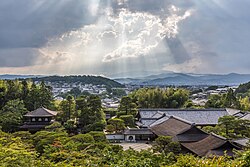
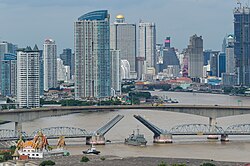
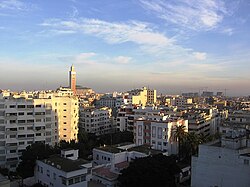
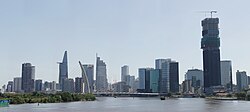
Asia was strongly represented by cities like Bangkok (1782), Kyoto (794), and Seoul (18 BC). From Africa, Casablanca (15 BC) stood out as a significant finalist.
Other Notable Finalists
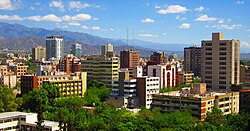
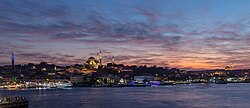
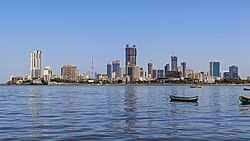
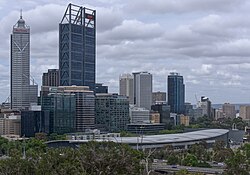
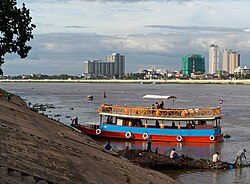
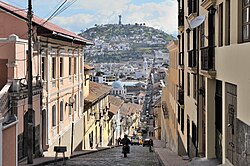
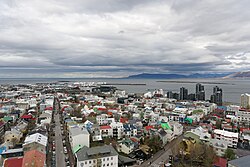
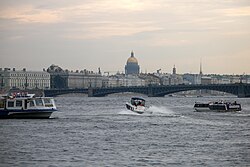
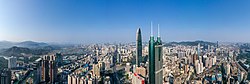
Other cities that reached the final stage included Istanbul (330), Mumbai (1507), Perth (1829), Phnom Penh (1372), Quito (1534), Reykjavík (870), Saint Petersburg (1703), Shenzhen (331), and Mendoza (1561).
Frequently Asked Questions
Who organized the New 7 Wonders Cities poll?
The poll was operated by the New 7 Wonders Foundation, following their previous campaigns for the New 7 Wonders of the World and the New 7 Wonders of Nature.
How were the winning cities chosen?
The process involved a public nomination phase, a longlist of 77 cities, a shortlist of 28 cities selected by a panel led by Federico Mayor Zaragoza, and a final public vote.
Which is the oldest city among the winners?
Beirut, Lebanon, is the oldest winning city, with roots dating back to 3000 BC.
How many countries participated in the nominations?
More than 1,200 nominees were submitted from 220 different countries.
When were the final winners announced?
The selection process concluded in 2014, with the winners announced starting in 2011.