Ness Islands: A Historic Natural Escape in Inverness
Nestled in the heart of Inverness, Scotland, the Ness Islands (known in Scottish Gaelic as Na h-Eileanan Nis) offer a serene retreat from the urban bustle. Situated on the River Ness directly opposite Bught Park, these islands blend natural beauty with a rich industrial and architectural history, making them a favorite destination for locals and visitors alike.
Originally accessible only by boat, the islands were transformed into a reachable sanctuary in the early 19th century. This transition marked the beginning of the islands' evolution into the scenic walking destination they are today.
A History of Bridges and Floods
The accessibility of the Ness Islands changed forever in 1828 with the construction of the first bridges. However, the power of the River Ness proved formidable; a devastating flood in 1849 washed these original structures away.
Between 1853 and 1854, the islands were reconnected to the mainland via two suspension bridges. These structures were designed by William Dredge, ensuring a more resilient link for those wishing to traverse the river's islands.
Industrial Roots: The Public Water Supply
Beyond their beauty, the islands once played a critical role in the city's infrastructure. In 1829, the Inverness Gas and Water Company established a public water supply on the islands. This system utilized a lade—an artificial watercourse—adjacent to the islands.
A waterwheel was employed to pump water from this lade up to a storage tank located in Old Edinburgh Road. From there, the water was distributed to local houses and public standpipes, providing essential utility to the growing town of Inverness.
Nature, Wildlife, and Recreation
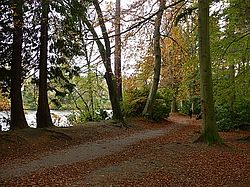
Today, the Ness Islands serve as a key waypoint on the Great Glen Way, a renowned long-distance walking route. The landscape is characterized by a variety of imported tree species, creating a lush canopy for the local fauna.
Wildlife enthusiasts can often spot bats and otters in the area, with deer occasionally visiting the islands. For those visiting with families, the area provides children's play facilities and the charming Ness Islands miniature railway.
Key Facts
- Location: River Ness, opposite Bught Park, Inverness, Scotland.
- Gaelic Name: Na h-Eileanan Nis.
- Bridge History: First built in 1828; replaced by William Dredge's suspension bridges in 1853-1854.
- Industrial Use: Site of a public water supply established in 1829.
- Wildlife: Home to otters, bats, and occasional deer.
- Recreation: Part of the Great Glen Way and home to a miniature railway.
| Feature | Details |
|---|---|
| First Bridge Construction | 1828 |
| Major Flood Event | 1849 |
| Suspension Bridge Designer | William Dredge |
| Water Supply Established | 1829 |
| Primary Walking Route | Great Glen Way |
Frequently Asked Questions
How do you access the Ness Islands?
The islands are accessed via bridges crossing the River Ness; prior to 1828, they were only reachable by boat.
Who designed the suspension bridges on the islands?
The suspension bridges, built between 1853 and 1854 to replace those lost in a flood, were designed by William Dredge.
What wildlife can be found on the Ness Islands?
The islands are home to bats and otters, and deer are occasionally sighted in the area.
What is the history of the water supply on the islands?
In 1829, the Inverness Gas and Water Company used a waterwheel and a lade to pump water to a tank in Old Edinburgh Road to supply local homes and standpipes.
Are there family-friendly activities at the Ness Islands?
Yes, the area includes play facilities for children and the Ness Islands miniature railway.