Natural Resources: Classification, Management, and Sustainability
Natural resources are materials and components drawn from nature and utilized with minimal modification. These resources provide immense value across various sectors, including commercial and industrial applications, scientific research, cultural heritage, and aesthetic enjoyment. From the sunlight that powers the planet to the minerals deep within the Earth's crust, every man-made product is fundamentally composed of these natural building blocks.
These resources can exist as separate entities—such as air, freshwater, or living organisms—or they may require transformation through extractivist industries. For example, metal ores, petroleum, and timber must be processed to become economically useful. While some resources are renewable and can be restored by natural processes, others are non-renewable and can only be extracted once.
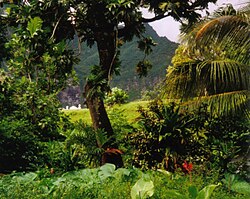
Key Facts
- Biotic resources originate from the biosphere (living things), while abiotic resources come from non-living inorganic materials.
- Renewable resources are those where the rate of natural replenishment exceeds the rate of human consumption.
- The Resource Curse refers to the social problems, such as corruption and inflation (Dutch disease), that can occur during a sudden resource extraction boom.
- Conservation Biology is the interdisciplinary science focused on protecting biodiversity and preventing species extinction.
- Sustainable Development aims to meet present needs without compromising the ability of future generations to meet their own.
Classification of Natural Resources
Natural resources are categorized based on several criteria to better understand their origin, availability, and legal status.
By Origin
- Biotic: Resources derived from living organisms, including flora, fauna, fisheries, and livestock. Fossil fuels (coal and petroleum) are also biotic as they form from decayed organic matter.
- Abiotic: Resources from non-living materials, such as land, water, air, heavy metals, and rare-earth elements.
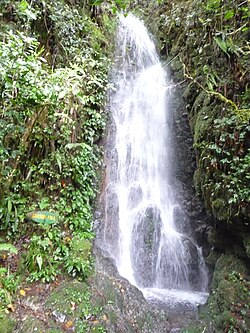
By Stage of Development
- Potential Resources: Known to exist but not yet utilized (e.g., petroleum in sedimentary rocks before extraction).
- Actual Resources: Surveyed, quantified, and currently used in development, often depending on available technology.
- Reserves: The portion of an actual resource that can be developed profitably in the future.
- Stocks: Resources that have been surveyed but cannot be used due to a lack of current technology (e.g., hydrogen vehicles).
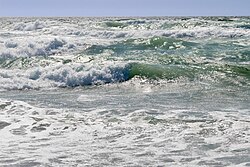
By Renewability
Resources are classified as renewable if they can be replenished naturally. Some, like wind and solar energy, are continuously available. Others replenish more slowly and are susceptible to depletion if overused. Non-renewable resources are finite and cannot be replaced once extracted.
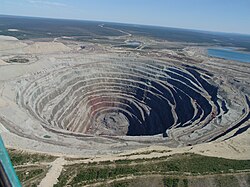
By Ownership
- Individual: Privately owned, such as houses, ponds, or plantations.
- Community: Accessible to all community members, such as cemeteries.
- National: Belonging to a nation, including minerals and forests within political boundaries and the Exclusive Economic Zone.
- International: Regulated by international organizations, such as international waters.
Resource Extraction and Economic Impact
Resource extraction is the process of withdrawing materials from nature, ranging from preindustrial traditional use to global industrial operations. These activities form the basis of the primary sector of the economy, producing raw materials that are processed to add value. Examples include mining, oil and gas drilling, forestry, hunting, and trapping.
While these resources can increase a country's wealth, they can also lead to the "resource curse." This occurs when a boom in extraction causes inflation that harms other industries—a phenomenon known as Dutch disease—and fosters corruption and inequality.

Depletion and Environmental Protection
The depletion of natural resources is a critical sustainable development issue. Overconsumption can degrade environments and limit the resources available for future generations. This is particularly concerning in rainforest regions, which house the majority of Earth's biodiversity. Deforestation and degradation affect 8.5% of the world's forests, threatening the source of 75% of the world's prescription medicines.
Global Protection Efforts
To combat this, the United Nations developed the World Charter for Nature in 1982, emphasizing the need for sustainable use and legal protections. Similarly, the 1990 World Ethic of Sustainability established values to protect resources from depletion.
Two primary scientific approaches have emerged: Conservation Biology, which studies biodiversity to prevent extinction, and Habitat Conservation, which focuses on restoring and protecting specific land areas for wild plants and animals.
Natural Resource Management
Natural resource management is the discipline of managing land, water, soil, plants, and animals to ensure a high quality of life for current and future generations. This involves defining usage rights and boundaries, which may be managed by the users themselves through local rules or by a central governmental authority.
Modern economic models, such as the circular economy, aim to reduce reliance on extraction by prioritizing reuse, recycling, and the sustainable management of renewable resources.
| Criteria | Category | Examples |
|---|---|---|
| Origin | Biotic | Forests, Fish, Fossil Fuels |
| Abiotic | Gold, Water, Air | |
| Renewability | Renewable | Solar, Wind, Water |
| Non-renewable | Minerals, Petroleum | |
| Development | Actual | Quantified and currently used resources |
| Stocks | Resources lacking extraction technology |
Frequently Asked Questions
What is the difference between biotic and abiotic resources?
Biotic resources are derived from living organisms or organic matter, such as plants, animals, and fossil fuels. Abiotic resources are derived from non-living, inorganic materials, such as minerals, air, and water.
What is the "resource curse"?
The resource curse is a paradox where countries with an abundance of natural resources experience slower economic growth, social instability, and corruption, often exacerbated by "Dutch disease" where a resource boom harms other economic sectors.
How does conservation biology differ from habitat conservation?
Conservation biology is an interdisciplinary scientific study of biodiversity aimed at preventing extinction. Habitat conservation is a specific land management practice focused on protecting and restoring the physical areas where wild species live.
What defines a resource as "renewable"?
A resource is considered renewable if it can be replenished naturally at a rate that is equal to or faster than the rate at which humans consume it.
What are "stocks" in the context of resource development?
Stocks are natural resources that have been surveyed and identified but cannot currently be utilized because the necessary technology to extract or process them does not yet exist.