National Audubon Society: A Legacy of Bird Conservation and Environmental Advocacy
Founded on January 5, 1905, the National Audubon Society is a prominent nonprofit organization dedicated to the conservation of birds, other wildlife, and the maintenance of healthy ecosystems across the United States. From its early days fighting the fashion industry's use of bird plumes to its modern-day battles against climate change, the society has evolved into a powerhouse of environmental advocacy and public education.
Key Facts
- Founded: January 5, 1905.
- Mission: Conservation of birds, wildlife, and healthy ecosystems.
- Leadership: Led by CEO Elizabeth Gray and a Board of Directors.
- Network: Comprises nearly 500 local chapters, 23 state programs, and 41 nature centers.
- Major Achievement: Played a pivotal role in the ban of DDT and the establishment of the worldwide moratorium on whaling.
The Evolution of Bird Protection
The roots of the society trace back to the late 19th century. In 1890, a Chicago-based Audubon Society was established under E. Irene Rood, followed by other early societies. One such early group grew to nearly 49,000 members, including figures like poet John Greenleaf Whittier and jurist Oliver Wendell Holmes Jr., all of whom pledged "not to molest birds."
During this era, the society targeted the plume trade—the practice of killing birds for their feathers to adorn hats. With the support of Boston socialite Harriet Hemenway and U.S. President Theodore Roosevelt, a massive letter-writing campaign and church-led outreach helped secure critical legislation. This led to the New York State Audubon Plumage Law of 1910, which banned the sale of native bird plumes, a trend that spread to 12 other states by 1920.

Expanding the Mission: Refuges and Sanctuaries
Beyond legislation, the society focused on land acquisition to provide safe havens for wildlife. One of its most significant holdings is the Paul J. Rainey Wildlife Sanctuary in Louisiana, acquired in 1924, which remains the largest at 26,000 acres.
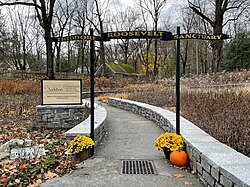
Other notable sites include the Theodore Roosevelt Sanctuary and Audubon Center in Oyster Bay, New York—donated in 1923 by Emlen and Christine Roosevelt—and the Audubon Center of Greenwich, Connecticut, founded in 1943. These centers serve as hubs for education and inspiration, teaching the public about the natural world.
Educational Outreach and Nature Centers
Nature centers remain a cornerstone of the organization's strategy. For example, the Hog Island Camp in Maine celebrated its 80th anniversary in 2016. To maintain its commitment to sustainability, the society's infrastructure has evolved; its current New York City headquarters earned a LEED Platinum designation for its green features.

Environmental Advocacy and Global Impact
In the post-World War II era, the National Audubon Society shifted its focus toward broader environmental threats. The most significant battle was against DDT, a persistent pesticide. This campaign gained national momentum in 1962 with the publication of Silent Spring by long-time member Rachel Carson. Following her death in 1964, the society established a dedicated fund to fight the use of DDT through legal channels.
This momentum carried into the 1960s and 1970s, as the society helped legislators pass landmark environmental laws, including the Clean Air Act, Clean Water Act, Endangered Species Act, and the Wild and Scenic Rivers Act. To ensure a direct line to policymakers, the society opened a Washington, D.C. office in 1969.
The society's influence eventually extended globally. In the 1970s, it became heavily involved in the fight against unregulated whaling. After attending the 37th annual meeting of the International Whaling Commission in 1985, the society and other organizations helped secure a worldwide moratorium on whaling, allowing many whale populations to recover.

Modern Challenges and Current Activities
The society continues to respond to ecological crises. Following the 2010 BP oil spill in the Gulf of Mexico, Audubon recruited over 34,000 volunteers to rescue and clean injured water birds, such as brown pelicans, and advocated for the use of penalties to rebuild Gulf Coast wetlands.
Climate change is now a primary focus. A 2014 report on birds and climate change revealed that 314 of 588 studied North American bird species could lose up to half of their climatic range during the 21st century. Additionally, the society promotes sustainable practices, such as the Arkansas chapter's 2020 transition to 100% solar energy for its Little Rock office.

The Namesake Controversy
In recent years, the organization has faced internal and external pressure regarding its namesake, John James Audubon, due to his history as an enslaver. While the national Board of Directors voted in 2023 to retain the name, many local chapters and the employees' union (now called The Bird Union) have chosen to rename themselves to foster inclusivity.
| Original Name | New Name | Announcement Date |
|---|---|---|
| Seattle Audubon | Birds Connect Seattle | July 21, 2022 |
| NYC Audubon | New York City Bird Alliance | March 20, 2023 |
| Portland Audubon (Oregon) | Bird Alliance of Oregon | February 28, 2023 |
| Chicago Audubon Society | Chicago Bird Alliance | October 20, 2023 |
| Georgia Audubon | Birds Georgia | November 29, 2023 |
Frequently Asked Questions
What was the primary goal of the early Audubon societies?
The early societies focused on protecting birds from the plume trade, which involved killing birds for their feathers to be used in the fashion industry.
How did the society contribute to the ban of DDT?
The society circulated draft legislation for pesticide control and, inspired by Rachel Carson's Silent Spring, established a legal fund to fight the use of persistent pesticides.
What is the largest wildlife sanctuary managed by the society?
The Paul J. Rainey Wildlife Sanctuary in Louisiana is the largest, covering 26,000 acres.
Why are some Audubon chapters changing their names?
Many chapters have renamed themselves to "Bird Alliances" or similar titles to distance themselves from the history of slavery associated with the organization's namesake.
What did the 2014 climate change report find?
The report found that 314 out of 588 North American bird species could lose up to half of their climatic range during the 21st century due to climate change.