Bird Migration: The Science of Seasonal Journeys
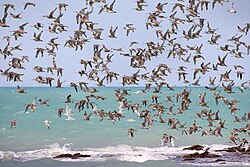
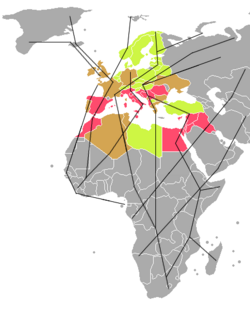
Bird migration is one of nature's most spectacular phenomena, involving the seasonal movement of various species between their breeding and wintering grounds. Occurring twice a year, these journeys typically involve travel between northern and southern regions to ensure survival and reproductive success. While these journeys are essential, they are fraught with inherent risks, including predation and various environmental hazards encountered en route.
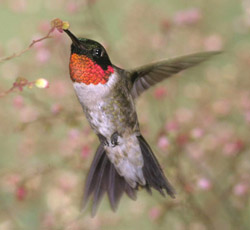
From the tiny hummingbird to the soaring albatross, the scale of migration varies wildly. While many birds undertake shorter trips, some push the absolute limits of biological endurance, crossing entire oceans and continents to reach their destinations.
Key Facts

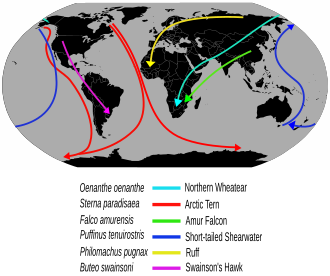
- The Arctic tern holds the record for the longest migration, traveling annually between Arctic breeding grounds and the Antarctic.
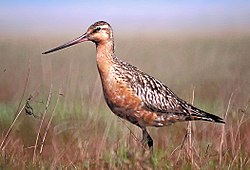
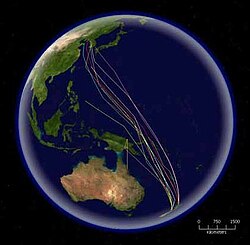
- Bar-tailed godwits possess the longest known non-stop migration, covering up to 10,200 km (5,500 nmi).
- Navigation is achieved through a combination of celestial cues (Sun and stars), the Earth's magnetic field, and internal mental maps.
- Timing is primarily controlled by changes in day length (photoperiod).
- Altitudinal migration occurs when birds move up and down mountains, such as in the Andes and Himalayas, rather than north to south.
Patterns of Avian Movement

Long-Distance and Global Journeys
Some species engage in truly global travel. Tubenoses, such as albatrosses, circle the Earth by flying over southern oceans. The Manx shearwater, for instance, migrates approximately 14,000 km (8,700 mi) between its northern breeding grounds and the Southern Ocean.

Specialized Migration Types
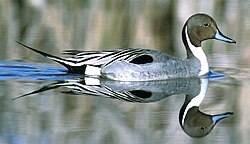
Not all migration is a simple north-south trek. Altitudinal migration involves moving to different elevations within a mountain range to find food or avoid harsh weather. Other patterns include irruptions, where birds move in irregular numbers to new areas, and dispersal, the movement of individuals away from their birth site.
Diurnal and Nocturnal Behavior
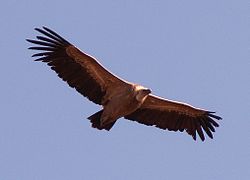
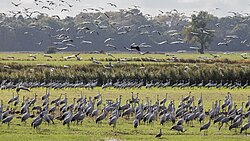
Many small birds migrate at night to avoid predators and overheating. In contrast, larger birds often migrate during the day, utilizing thermals—columns of rising warm air—to soar and conserve energy.
Physiology and Navigation
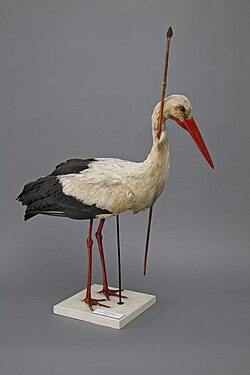
The drive to migrate is a complex biological process. The timing is largely triggered by the changing length of the day, which signals the bird's body to prepare for the journey. This preparation often involves migration conditioning, where birds accumulate fat stores to fuel their flight.
To find their way across thousands of miles, birds use a sophisticated toolkit of navigation methods. They rely on the position of the Sun and stars, sense the Earth's magnetic field, and develop mental maps of the landscape over time.
Conservation and Environmental Threats

Migration is an arduous process that makes birds vulnerable. Beyond natural predators, human-induced threats such as illegal hunting and the loss of stopover sites—critical resting and refueling areas—pose significant risks to population stability.
Climate change is also altering phenology, which is the timing of biological events. For example, hotter years can shift the dates when birds migrate, potentially causing a mismatch between their arrival and the peak availability of food sources.
![Differences in an Arctic shorebird species' phenology between a normal year and a hotter year.[106]](/images/80/ab/80ab905be7461efbd4ae0592d8a6acfeae3cc350b65585d470de16a393d71428.png)
Migration Summary Table
| Migration Type | Primary Characteristic | Example Species |
|---|---|---|
| Long-Distance | Intercontinental or pole-to-pole | Arctic tern, Manx shearwater |
| Non-Stop | Continuous flight without landing | Bar-tailed godwit |
| Altitudinal | Movement between elevations | Various mountain species |
| Diurnal | Daytime travel using thermals | Griffon vulture, large raptors |
| Nocturnal | Nighttime travel | Various songbirds (passerines) |
Frequently Asked Questions




How do birds know when it is time to migrate?
The timing of migration is primarily controlled by changes in day length, which act as a biological trigger for the birds to begin their seasonal movement.
What is the longest migration recorded?
The Arctic tern holds the record for the longest distance, traveling annually between its breeding grounds in the Arctic and its wintering grounds in the Antarctic.
How do birds navigate over thousands of miles?
Birds use a combination of celestial cues from the Sun and stars, the Earth's magnetic field, and internal mental maps to maintain their course.
What are stopover sites and why are they important?
Stopover sites are specific locations where migrating birds rest and refuel. They are critical for survival, as birds must replenish energy stores to complete their long journeys.
How does climate change affect bird migration?
Climate change can alter the phenology (timing) of migration, potentially leading to a mismatch between the birds' arrival at their destination and the availability of the food they need to survive and breed.