Mesopotamian Deities: The Divine Pantheon of Ancient Sumer, Akkad, Babylon, and Assyria
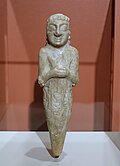
The spiritual landscape of ancient Mesopotamia was populated by a vast and complex array of gods and goddesses. These beings were almost exclusively anthropomorphic, meaning they possessed human forms and personalities, though they were endowed with extraordinary powers and often envisioned as being of immense physical size.
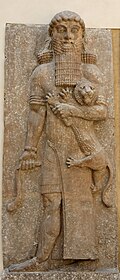
A defining characteristic of these deities was their melam, an ambiguous substance that enveloped them in a "terrifying splendor." This divine radiance was not limited to gods; it could also be worn by kings, heroes, giants, and demons. For a human, witnessing the melam of a deity triggered a physical reaction known as ni, described as a "physical creeping of the flesh," often associated with puluhtu, or intense fear.
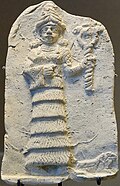
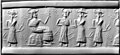
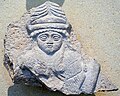
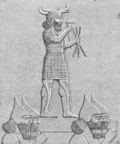
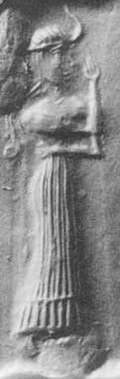
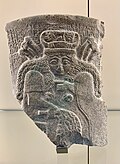
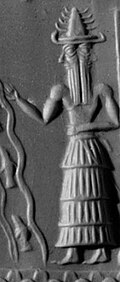
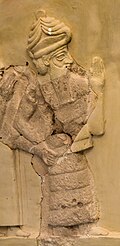
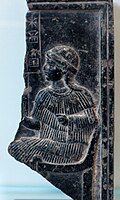
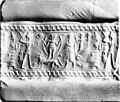
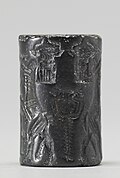
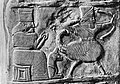
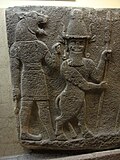
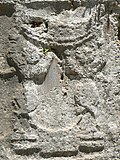
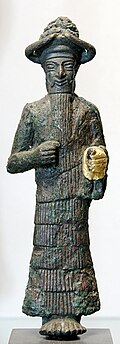
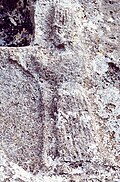
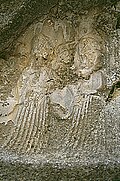
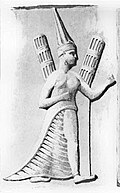
Visually, deities were identified by their horned caps, which could feature up to seven superimposed pairs of ox-horns. Their attire was often opulent, featuring elaborate gold and silver ornaments sewn directly into their clothing.
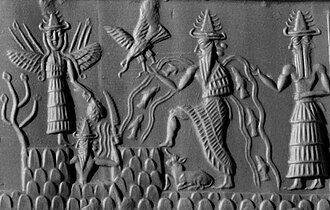
The Nature of Divine Presence and Worship
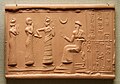
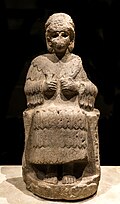
While the ancient Mesopotamians believed the gods resided in Heaven, they viewed the cult statue of a deity as the god's actual physical embodiment on Earth. Consequently, these statues were treated with extreme care. Dedicated priests were assigned to clothe the statues and provide them with feasts, ensuring the gods were "fed."
The temple served as the literal residence of the deity. To facilitate movement, gods possessed full-sized barges stored within their temples for water travel during religious festivals, as well as chariots for land transport. In times of war, a deity's statue might even be brought to the battlefield so the god could observe the conflict.
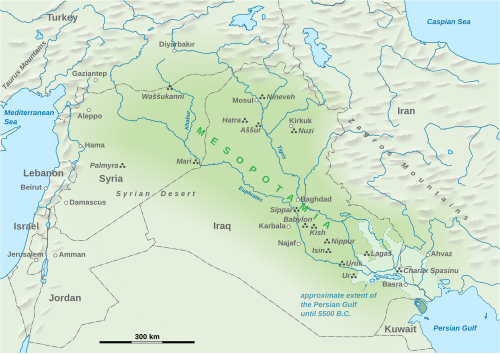
Governance among the divine was handled through the "assembly of the gods," a celestial council where major decisions were made. This divine structure mirrored the semi-democratic legislative systems used by humans, specifically during the Third Dynasty of Ur (c. 2112 BC – c. 2004 BC).
Evolution of the Pantheon
The Mesopotamian religious system was not static; it evolved through four distinct phases over several millennia:
- Fourth Millennium BC: Deities primarily focused on the basic needs required for human survival.
- Third Millennium BC: The divine hierarchy became more structured, and deified kings began to be integrated into the pantheon.
- Second Millennium BC: A shift occurred toward personal piety, with a rise in gods associated with commoners and individual worship.
- First Millennium BC: Deities became closely linked to specific human empires and their respective rulers.
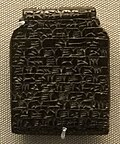
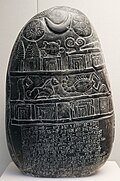
Scribes recorded an astonishing number of deities—over 3,000 names have been recovered from cuneiform texts. The most comprehensive of these is the Babylonian scholarly work An = Anum, which lists over 2,000 deities. Rather than a simple translation list between Sumerian and Akkadian, this text detailed the relationships between gods, their specific functions, and even their servants.

Key Facts
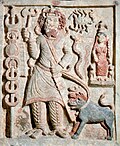
- Divine Appearance: Gods were human-like, wore horned caps, and radiated a terrifying splendor called melam.
- Physical Embodiment: Cult statues were not mere symbols but were believed to be the physical presence of the god.
- Scale of Pantheon: Over 3,000 deities have been identified, with the An = Anum list containing more than 2,000.
- Celestial Links: Many major deities were associated with specific celestial bodies, such as the Sun, Moon, and Venus.
- Divine Governance: The "assembly of the gods" acted as a legislative body for the universe.
Major Deities of Mesopotamia
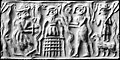
The pantheon featured a hierarchy of powerful gods who controlled the elements, the heavens, and human destiny.
| Name | Major Cult Center | Celestial Body | Primary Domain/Detail |
|---|---|---|---|
| An (Anu) | Eanna temple, Uruk | Equatorial sky | Supreme sky god |
| Enlil | Ekur temple, Nippur | Northern sky | Lord of the air/storm |
| Enki (Ea) | E-Abzu temple, Eridu | Canopus / Southern sky | God of water and wisdom |
| Marduk | Babylon | Jupiter | Patron god of Babylon |
| Ashur | Assur | - | National god of Assyria |
| Nanna (Sin) | Ur and Harran | Moon | God of the moon |
| Utu (Shamash) | Sippar and Larsa | Sun | God of justice and the sun |
| Inanna (Ishtar) | Uruk (and others) | Venus | Goddess of love and war |
| Nergal | Kutha | Mars | God of the underworld/plague |
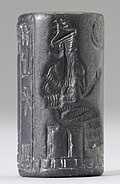
The Wisdom and Water of Enki
Enki, also known as Ea, was the god of the subterranean freshwater ocean (the Abzu) and was revered for his wisdom and craftsmanship.
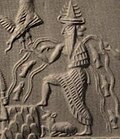
The Power of Marduk and Ashur
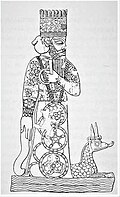
As political power shifted, so did the pantheon. Marduk rose to prominence as the protector of Babylon, often depicted with his dragon, Mušḫuššu.
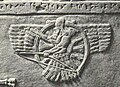
Similarly, Ashur became the head of the Assyrian pantheon, symbolizing the strength and reach of the Assyrian Empire.
Justice and Knowledge: Shamash and Nabu
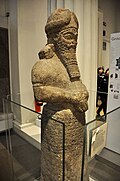
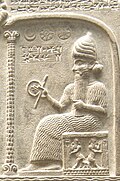
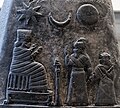
Shamash (Utu) was the divine judge who dispensed justice from his throne, while Nabu was the god of writing and scribes, often associated with the city of Borsippa.
The Goddesses: Ishtar and Ninhursag
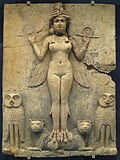
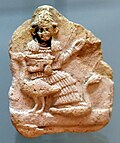
Ishtar (Inanna) was one of the most complex deities, embodying both sexual love and violent warfare. Ninhursag was a vegetation goddess often associated with the earth and motherhood.
Primordial Beings, Monsters, and Spirits
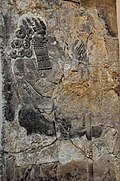
Beyond the major gods, the Mesopotamians believed in primordial beings who existed before the structured world. These included Tiamat (the primordial salt ocean) and Abzu (the primordial freshwater). Other entities included the Sebitti (seven warrior gods) and various apotropaic spirits—beings used to ward off evil.
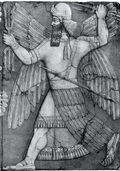
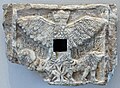
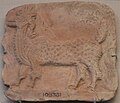
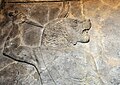
Monsters also played a role in the divine order. The Mušḫuššu (dragon) served Marduk and Nabu, while the Anzû (a monstrous bird) was associated with Ninurta.
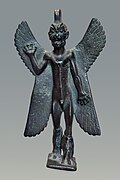
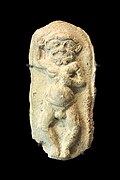
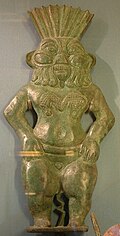
Demons like Lamashtu and Pazuzu were feared, though Pazuzu was sometimes invoked to protect against the influence of Lamashtu.
Foreign Influence and Integration
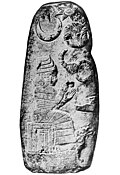
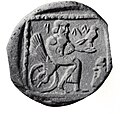
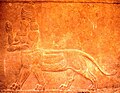
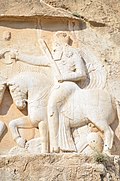
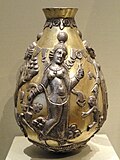
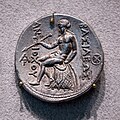
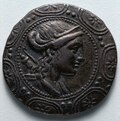
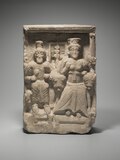
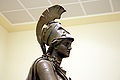
Due to its central location, Mesopotamia integrated deities from surrounding cultures. This included Persian gods like Ahura Mazda and Anahita, Greek deities such as Apollo and Athena, and the national god of the Israelites, Yahweh.
Frequently Asked Questions



What was 'melam' in Mesopotamian religion?
Melam was a terrifying, radiant splendor that covered deities, kings, and heroes. Seeing it caused a physical sensation of fear and skin-creeping known as 'ni'.
How did the Mesopotamians treat their god statues?
They believed the statues were the actual physical embodiments of the gods. Therefore, priests provided them with clothing, food, and transport via barges and chariots.
What is the 'An = Anum' text?
It is a Babylonian scholarly work that lists over 2,000 deities, detailing their functions, their relationships to one another, and their servants.
How did the role of gods change over time?
The pantheon evolved from focusing on basic survival needs in the 4th millennium BC to becoming closely tied to specific empires and human rulers by the 1st millennium BC.
Who were the most important gods in the pantheon?
The primary deities included An (sky), Enlil (air), Enki (water/wisdom), Marduk (Babylon), Ashur (Assyria), Nanna (moon), Utu/Shamash (sun), and Inanna/Ishtar (love/war).