Marine West Coast Climates
Temperate oceanic climates, frequently referred to as marine west coast or "marine mild winter" climates, are characterized by moderate temperatures year-round and a distinct lack of a dry season. Typically found at middle latitudes on or near the western coasts of continents, these regions benefit from western sea breezes that moderate winter temperatures and maintain consistent cloud cover.
Because these climates provide sufficient moisture throughout the year without the burden of deep snow cover, they are highly conducive to lush vegetation. Deciduous trees are the predominant flora, though conifers like pine, cedar, and spruce are common in certain areas. These conditions also make the regions ideal for cultivating fruits such as grapes, pears, and apples.
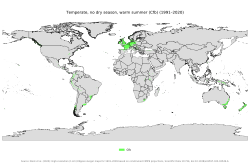
Key Facts
- Temperature Range: Average annual temperatures typically fall between 6°C and 13°C (43°F to 55°F).
- Precipitation: Annual rainfall varies widely from 50 to 500 cm (20 to 197 in), often influenced by orographic precipitation (rain caused by mountains).
- Seasonal Markers: The hottest month averages below 22°C (72°F), and at least four months average above 10°C (50°F).
- Winter Threshold: To be classified as Cfb rather than continental, the coldest month must not average below −3°C to 0°C (27°F to 32°F).
- Weather Patterns: Frontal cyclones are common, sometimes resulting in over 150 rainy days per year, though severe storms are rare.
Global Distribution of Cfb Climates
While most prominent in Europe (excluding the northeast), the marine west coast climate is found globally in several key regions:
- Oceania: The primary climate of New Zealand and the Australian states of Tasmania, Victoria, and southeastern New South Wales.
- North America: Found in southeast Alaska and British Columbia, including Vancouver Island, as well as pockets in the southern Appalachians and Cape Cod (Nantucket), Massachusetts.
- South America: Present in southern Chile and Argentina, specifically within the provinces of Santa Cruz, Chubut, and southeast Buenos Aires.
- Asia and Africa: Occurs along the Black Sea coast of Georgia and northern Turkey, the coastline of the Eastern Cape in South Africa, and parts of Pakistan (Baluchistan) and Malaysia (Sabah).
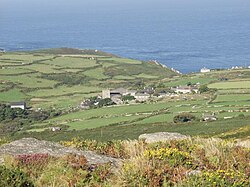
Subtropical Highland Varieties (Cfb and Cwb)
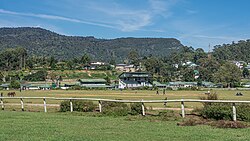
The subtropical highland climate occurs in elevated regions of the tropics or subtropics. Due to their altitude, these areas mimic oceanic characteristics despite their lower latitudes. These are divided into two main types:
- Cfb (Uniform Rainfall): Rainfall is spread evenly throughout the year. These regions experience high diurnal temperature variation (the difference between day and night temperatures) and low humidity due to their inland, high-altitude positions.
- Cwb (Monsoon Influence): These regions feature a distinct seasonal split with wet summers and dry winters.
These climates are found in the Tropical Andes (Colombia, Venezuela, Ecuador, Peru, and Bolivia), the Brazilian Highlands, the Ethiopian Highlands, and parts of Southeast Asia and Sri Lanka. In the Caribbean, this climate is limited to high peaks such as the Blue Mountains in Jamaica.
Subpolar Oceanic and Cold Subtropical Highland Varieties (Cfc and Cwc)
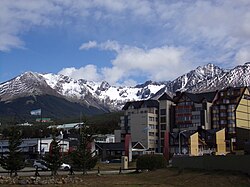
Located closer to polar regions, subpolar oceanic climates (Cfc) feature long, mild winters and short, cool summers. They are less prone to the extreme temperature swings seen in subarctic or humid continental climates. In these zones, only one to three months average 10°C (50°F) or higher, and daytime maximums in the warmest month typically stay below 17°C (63°F).
Common locations include coastal Iceland, the Faroe Islands, the Aleutian Islands, and the highlands of Scotland and Norway. A rarer variant, the cold subtropical highland climate (Cwc), occurs in high-altitude areas with very short summers, such as El Alto, Bolivia, and parts of Yunnan and Sichuan in China.
Climate Summary Table
| Climate Type | Code | Key Characteristic | Typical Regions |
|---|---|---|---|
| Marine West Coast | Cfb | Mild winters, no dry season | Western Europe, New Zealand, Pacific Northwest |
| Subtropical Highland | Cfb/Cwb | High altitude, mild year-round | Andes, Ethiopian Highlands, Sri Lanka |
| Subpolar Oceanic | Cfc | Cool summers, mild polar winters | Iceland, Faroe Islands, Southern Chile |
| Cold Subtropical Highland | Cwc | Short summers, monsoon influence | Bolivia, Tibet/Yunnan |
Frequently Asked Questions
What is the main difference between a marine west coast and a continental climate?
The primary difference is the winter temperature. In a marine west coast climate, the coldest month's average temperature remains above −3°C to 0°C, whereas continental climates experience much colder winters.
Why is vegetation so lush in Cfb climate zones?
Vegetation prospers because these regions receive consistent moisture throughout the year and avoid the extreme freezes that cause deep snow cover, allowing deciduous trees and various fruits to thrive.
How does altitude affect the subtropical highland climate?
Altitude lowers the temperature in tropical and subtropical latitudes, creating a "temperate" environment. Without this elevation, these regions would likely be classified as tropical or humid subtropical climates.
What defines a subpolar oceanic climate (Cfc)?
A subpolar oceanic climate is defined by having only one to three months with an average temperature of at least 10°C (50°F), combined with winters that are milder than those found in subarctic regions.
What is the difference between Cfb and Cwb in highland areas?
The difference lies in precipitation patterns: Cfb regions have rainfall distributed relatively evenly throughout the year, while Cwb regions are influenced by monsoons, resulting in wet summers and dry winters.