Malcolm III: The Reign of Canmore and the Shaping of Medieval Scotland
Malcolm III, known to history as Canmore (Scottish Gaelic: ceann mòr, meaning "big head" or "great chief"), was the King of Alba (Scotland) from 1058 to 1093. His 35-year reign served as a critical bridge between the early Gaelic kingdoms and the Scoto-Norman age, a period characterized by increasing cultural and political integration with England and continental Europe.
Malcolm's path to the throne was marked by violence and instability. His father, Duncan I, was killed in battle by Macbeth in 1040, leaving Malcolm and his brother Donald as children during a period of intense conflict. While traditional accounts suggest Malcolm was installed by an English invasion in 1054, modern historians like A.A.M. Duncan argue that later writers may have misidentified him with another contemporary named Máel Coluim.
Malcolm eventually secured the throne through force. He is credited with killing Macbeth at Lumphanan in 1057 and subsequently defeating Macbeth's stepson, Lulach, in 1058. Following these victories, Malcolm was inaugurated as king, likely at Scone on April 25, 1058.
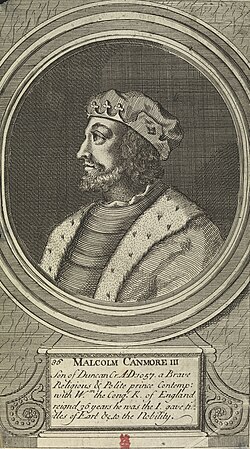
Key Facts
- Reign: 17 March 1058 – 13 November 1093.
- Dynasty: House of Dunkeld.
- Nickname: Canmore ("Great Chief").
- Spouses: Ingibiorg Finnsdottir and Margaret of Wessex.
- Death: Killed in 1093 while besieging Alnwick Castle.
- Legacy: Father to four future kings of Scotland.
Early Reign and Strategic Alliances
In the early years of his rule, Malcolm utilized the crech ríg—a traditional Gaelic practice where a new king launched a raid on a neighbor to demonstrate power and stabilize his regime. This led to the plundering of Lindisfarne in 1061. These raids were often politically motivated, potentially aimed at shifting power dynamics within Northumbria or resolving disputes over the status of Strathclyde.
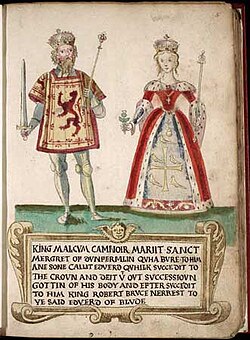
Malcolm's early personal life was equally complex. The Orkneyinga saga suggests he first married Ingibiorg Finnsdottir, the widow of Thorfinn Sigurdsson. This union would have strengthened his ties to the north and west, specifically the Earldom of Orkney. However, some historians believe this marriage may have been a later fabrication to link the MacWilliams family to the Orkney earls.
Relations with England
Malcolm's relationship with the English crown was a volatile mix of asylum and aggression. He provided sanctuary to Tostig Godwinson in 1065 and later to English exiles fleeing William the Conqueror in 1068, including Agatha and her children, Edgar Ætheling and Margaret.
In 1072, facing the military might of William of Normandy, Malcolm acknowledged the English king's overlordship at Abernethy. While this peace was often interrupted by Scottish raids into Northumbria, it established a precedent for the diplomatic dance between the two nations.
Marriage to Margaret of Wessex
One of the most influential events of Malcolm's reign was his marriage to Margaret of Wessex, a kinswoman of Edward the Confessor. This union brought a strong English and continental influence to the Scottish court, shifting the cultural trajectory of the kingdom.
Together, Malcolm and Margaret had eight children, including several sons who would eventually ascend to the Scottish throne. Their partnership helped integrate Scotland more deeply into the Christian and political frameworks of Western Europe.
Conflict with William Rufus and Death
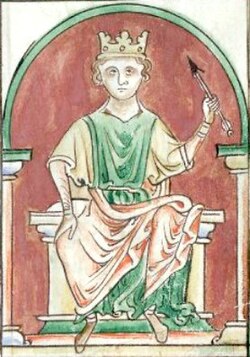
The latter part of Malcolm's reign was dominated by tensions with William Rufus. In 1091, Malcolm attempted to push the Scottish frontier south from the River Tweed to the River Tees by besieging Newcastle. Although a temporary peace was brokered, relations deteriorated by 1092 over disputes regarding estates granted to Malcolm by the previous English king.
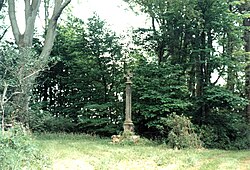
In August 1093, Malcolm traveled to Gloucester to negotiate with William Rufus. When the English king refused to negotiate directly, insisting the matter be decided by his barons, Malcolm returned to Scotland in frustration. War soon followed, and Malcolm III was killed on November 13, 1093, while besieging Alnwick Castle.
Summary of Malcolm III's Life and Legacy
| Category | Details |
|---|---|
| House | Dunkeld |
| Predecessor | Lulach |
| Successor | Donald III |
| Key Spouses | Ingibiorg Finnsdottir, Margaret of Wessex |
| Notable Children | Duncan II, Edgar, Alexander I, David I, Matilda |
| Final Resting Place | El Escorial monastery, Madrid (moved from Dunfermline) |
Frequently Asked Questions
What does the name "Canmore" mean?
Canmore is derived from the Scottish Gaelic ceann mòr, which literally translates to "big head," but is historically understood to mean "great chief."
Who was Margaret of Wessex?
Margaret was a kinswoman of King Edward the Confessor of England. Her marriage to Malcolm III brought significant English and European cultural influences to Scotland.
How did Malcolm III die?
Malcolm III died on November 13, 1093, during a military campaign in England while he was besieging Alnwick Castle.
Where is Malcolm III buried today?
His remains are currently enshrined in the royal monastery of San Lorenzo de El Escorial near Madrid, Spain. They were moved there in 1580 to protect them from Protestant reformers after previously being interred at Dunfermline Abbey.
Did Malcolm III fight Macbeth?
Yes, chroniclers report that Malcolm killed Macbeth on August 15, 1057, at Lumphanan in Aberdeenshire, eventually clearing his path to the throne.