Korean Confucianism: History, Evolution, and Social Impact
Korean Confucianism, also known as Korean Ruism, is a philosophical and ethical system that has profoundly shaped the intellectual and social landscape of the Korean peninsula. Introduced via cultural influence from China, it evolved from a set of moral guidelines into a comprehensive state ideology that continues to influence Korea's legal system, social relations, and moral framework today.
Beyond mere philosophy, Confucianism in Korea has often served as a pragmatic tool for national stability, helping to maintain social cohesion and prevent the internal dissent and civil strife that characterized earlier eras, such as the Goryeo dynasty.
Key Facts
- Core Influence: Derived from the teachings of Confucius and later expanded by Zhu Xi into Neo-Confucianism.
- State Ideology: Became the primary belief system for scholars and administrators during the Joseon Dynasty (1392–1910).
- Social Impact: Established traditional gender roles and a strict social hierarchy based on age and status.
- Modern Status: While its formal prominence declined in the 20th century, it remains a fundamental part of Korean moral and social life.
The Origins of Confucian Thought
The system originates with Confucius (Kǒng Fūzǐ), born around 551 BC. A member of the shi class—positioned between the aristocracy and commoners—Confucius spent his life studying righteousness, proper conduct, and governance. His teachings were later compiled by his followers during the Warring States period (475–221 BC) in the Analects (Lunyu), which reached its final form during the Han dynasty.
Confucius advocated for a strong central government and the use of diplomacy over warfare. In his later years, he taught the Five Classics, a collection of ancient writings that formed the bedrock of his philosophy. He is believed to have died in 479 BC.
As the philosophy evolved through the Han and Tang dynasties, it underwent a significant transformation during the Song dynasty. The scholar Zhu Xi (1130–1200) integrated elements of Taoism and Buddhism into the original teachings. This synthesis, known as Neo-Confucianism, became the orthodox view across China, Japan, Korea, and Vietnam until the 19th century.
Early Development in Korea
The Goryeo Period
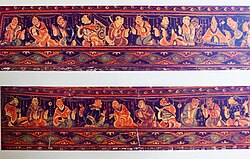
During the Goryeo dynasty, interest in Chinese literature facilitated the spread of Neo-Confucianism. This new school of thought offered a compelling alternative to the dominant influence of Buddhism. Key institutional steps were taken to embed these values: King Gwangjong (949–975) established national civil service examinations, and King Seongjong (1083–1094) founded the Gukjagam, the dynasty's highest educational institution.
By 1398, the Sungkyungwan academy was established to teach a Neo-Confucian curriculum. These developments provided the moral and ethical rationale for land reform and the redistribution of wealth, as Neo-Confucianists criticized the excesses of the Buddhist clergy and temple systems.
Neo-Confucianism in the Joseon Dynasty
The Joseon Dynasty (1392–1910) formally adopted Neo-Confucianism as its state ideology. Under the reign of King Sejong (1418–1450), Confucian thought became the root of all learning. The era saw the rise of sophisticated Confucian schools featuring large libraries and curricula consisting of 13 to 15 major works.
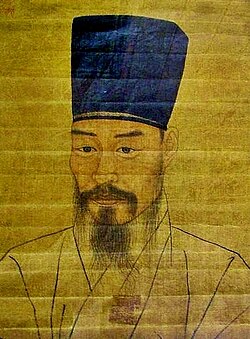
Prominent figures such as Cho Kwangjo worked to spread these ideals to the general public, followed by the influential scholars Yi Hwang (T'oegye) and Yi I (Yulgok). Notably, Korean Neo-Confucianism generally did not believe in a personal god, an afterlife, or an eternal soul.
Conflict and Decline
The late 19th century brought turmoil. The Donghak Rebellion (1894 Peasant War), sparked by the "Eastern Learning" movement, saw peasant armies raid government offices and target landlords. This conflict eventually drew China and Japan into a struggle for influence over Korea, leading to the First Sino-Japanese War.
Following the Russo-Japanese War, Japan annexed Korea in 1910. During the subsequent thirty-year occupation, the Japanese administration attempted to erase Korean culture by imposing the Japanese language, education, and surnames. While Neo-Confucianism was repressed in cities, it survived in isolated rural areas and among guerrilla fighters.
After 1945, the Union of Confucian Associations was formed to eradicate colonial influence and restore the Seong Gyun-gwan College. However, internal factionalism hindered the movement. By the mid-20th century, Confucianism's active membership was dwarfed by Buddhism.
Confucianism in Contemporary Society
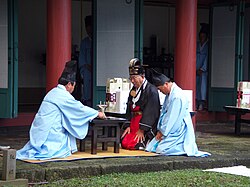
After being removed from school curricula and daily prominence, Confucianism experienced a rebirth in South Korea in the late 1990s as citizens sought to reclaim essential parts of their history. Despite this, formal adherence remains low; in 2006, approximately 1.2% of the population identified as Confucian.
Evolution of Women's Rights
Traditionally, Confucian gender roles restricted women to the domestic sphere. However, modernization and legislative reforms have shifted this dynamic. In 1987, equal opportunity legislation was introduced, and in 2000, the Department of Gender Equality was established to include women in policymaking.
Workforce participation for women rose from 34.4% in the 1960s to 49.7% by 2001. Major corporations like Samsung began removing gender discrimination in recruitment in 1997. Despite these gains, research from 1990 to 2010 indicates that patriarchal discrimination persists, often contributing to higher rates of depression among female employees.
Summary of Korean Confucian Evolution
| Period | Key Development | Primary Focus |
|---|---|---|
| Goryeo Dynasty | Introduction of Neo-Confucianism | Civil service exams and education |
| Joseon Dynasty | State Ideology | Moral authority and government administration |
| Japanese Occupation | Cultural Repression | Survival in rural areas and guerrilla movements |
| Modern Era | Cultural Rebirth | Ethical heritage and gender role evolution |
Frequently Asked Questions
What is the difference between Confucianism and Neo-Confucianism?
While original Confucianism focused on the teachings of Confucius regarding ethics and governance, Neo-Confucianism, developed by Zhu Xi, integrated metaphysical elements from Taoism and Buddhism to create a more comprehensive philosophical system.
Did Korean Neo-Confucians believe in a god?
No, Korean Neo-Confucianist organizations typically did not believe in a god or gods, nor did they believe in an afterlife or an eternal soul.
How did Confucianism affect women in Korea?
Traditionally, it enforced strict gender roles that limited women to the role of housewife. While modern laws and corporate reforms have increased women's workforce participation, some patriarchal influences remain in the professional environment.
What was the role of the Sungkyungwan?
The Sungkyungwan was a prestigious academy established in 1398 that taught a Neo-Confucian curriculum, serving as a center for training the scholars and administrators of the Joseon Dynasty.
How did the Donghak Rebellion impact Confucianism?
The rebellion drove many ardent Neo-Confucians out of urban centers and into isolated rural areas, and it contributed to the geopolitical shifts that eventually led to the Japanese annexation of Korea.