Kebab: A Global History of Grilled Meats and Regional Varieties
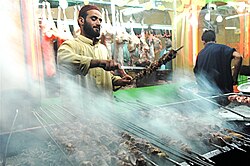
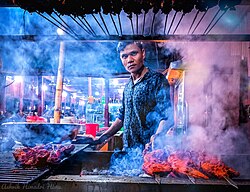
From the bustling street markets of Istanbul and Tehran to the fast-food stalls of Berlin and New York, the kebab is one of the world's most versatile and beloved culinary staples. At its core, a kebab consists of meat cooked on a skewer, but this simple concept has evolved into a vast array of regional specialties, reflecting the history, migration, and cultural fusion of the peoples who enjoy them.
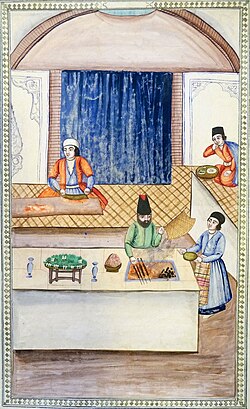
Originating in Anatolia and Iran, the cuisine spread globally alongside Muslim influence. Historical records from the Maghrebi traveler Ibn Battuta indicate that kebabs were served in the royal houses of the Delhi Sultanate between 1206 and 1526, while commoners enjoyed them for breakfast with naan. Today, the term encompasses everything from high-end dining to ubiquitous street food.
Key Facts
- Origins: Primarily traced back to Anatolia (modern-day Turkey) and Iran.
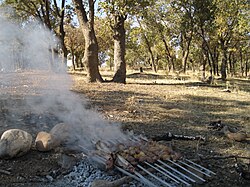
- Core Method: Meat grilled on skewers or roasted on a rotating spit.
- Global Reach: Found across the Middle East, Balkans, Central Asia, South Asia, and Southeast Asia.
- Key Variants: Includes the vertical-roast Döner, the skewered Shish, and the ground-meat Koobideh.
- Modern Influence: The Turkish Döner kebab became a cornerstone of European fast food in the 1970s.
Regional Varieties and Traditions
West Asia and the Middle East
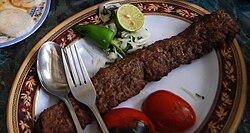
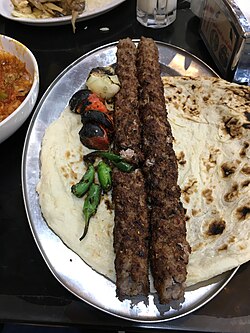
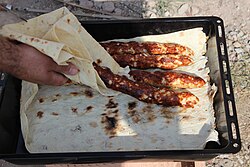
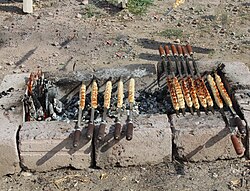
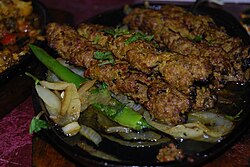
In Iran, the Kabab Koobideh is a prized specialty. It is made from a smooth, sticky mixture of ground meat, onion, salt, pepper, and turmeric, with an egg added as a binder. These are typically pressed onto skewers to a length of 18 to 20 centimeters. Another Iranian favorite involves lamb marinated overnight in olive oil, garlic, saffron, and onions before being barbecued.
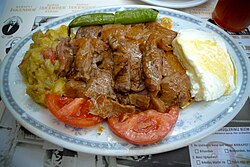
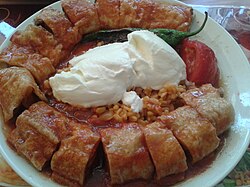
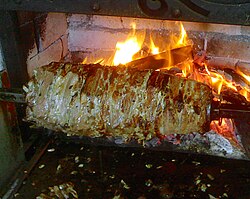
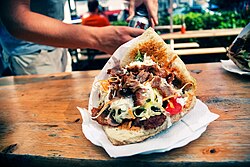
Turkey is the birthplace of the Döner kebap (literally "rotating kebab"), which features meat slowly roasted on a vertical spit. This 19th-century invention from Bursa served as the blueprint for the Middle Eastern shawarma, the Mexican al pastor, and the Greek gyros. Another Turkish innovation is the İskender kebap, created by İskender Efendi in 1867, which serves döner meat with yogurt, tomato sauce, and butter.
Europe and the Mediterranean
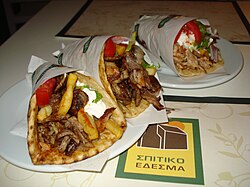
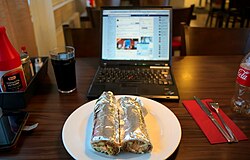
The history of grilled meats in Greece dates back to the Minoan civilization (17th century BC). Ancient Athenians grilled meat on an eschara (a traditional grill). In the mid-20th century, the gyro—a Greek adaptation of the rotating kebab—became popular, often served in pita bread with tzatziki sauce. While the Greek style often uses pork, it paved the way for the massive popularity of the Turkish-German Döner sandwich in cities like Berlin and Paris during the 1970s.
South and Southeast Asia
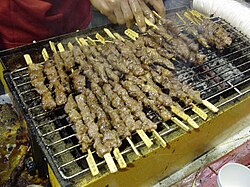
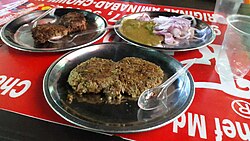
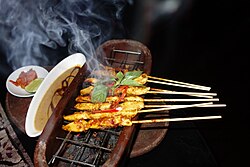
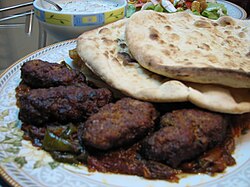
In South Asia, kebabs are deeply integrated into local cultures. India and Pakistan feature varieties such as Tandoori (cooked in a clay oven), Seekh (skewered ground meat), and Galouti (native to the Awadh region). In Southeast Asia, the concept evolved into satay, small grilled skewers typically served with a peanut sauce.
Comparative Overview of Kebab Styles
| Type | Origin/Region | Primary Characteristic | Common Serving Style |
|---|---|---|---|
| Döner | Turkey | Vertical rotating spit | Pita or flatbread sandwich |
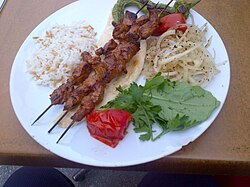
| Shish | Turkey/Middle East | Cubed meat on skewers | Plated with rice or vegetables |
| Koobideh | Iran | Minced meat and spices | Grilled skewers |
| Satay | Southeast Asia | Small skewers | Served with peanut sauce |
| Gyros | Greece | Rotating spit (often pork) | Pita with tzatziki |
Global Adaptations
Beyond the traditional heartlands, the kebab has taken many forms. In the Americas, similar dishes include anticuchos in the Andes and espetinho in Brazil. In Africa, variations like the Nigerian suya and South African sosatie mirror the skewered tradition. Even in Finland, the rullakebab (a wrapped roll) has found a place in the local food scene.
Frequently Asked Questions
What is the difference between a Döner and a Gyro?
While both use a vertical rotating spit, the Döner originated in Turkey and typically uses lamb, beef, or chicken. The Gyro is the Greek version, which is frequently made with pork and served with tzatziki sauce in pita bread.
What does "shish kebab" actually mean?
The term is derived from the Turkish şiş kebap, where "şiş" means skewer. In English, it has become a general term for any small pieces of meat cooked on a skewer.
How is Kabab Koobideh different from other ground meat kebabs?
Kabab Koobideh is a specific Iranian style that uses a mixture of ground meat, onion, and turmeric, often incorporating an egg to ensure the meat sticks to the skewer during grilling.
Where did the modern kebab sandwich come from?
The popular take-away sandwich style was introduced by Turkish immigrants in Berlin during the 1970s, transforming the traditional Döner into a convenient fast food that spread across Europe.