Hummus: History, Nutrition, and Global Cultural Impact
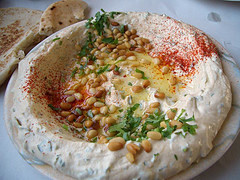
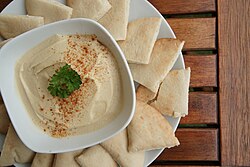
Hummus is a creamy, savory dip that has evolved from a regional staple of the Middle East into a global culinary phenomenon. Traditionally served as part of a meze (a selection of small appetizers), this dish is primarily crafted from a blend of cooked, mashed chickpeas and tahini, a paste made from toasted sesame seeds.
Whether enjoyed cold or at room temperature, hummus is celebrated for its versatility and nutritional density, making it a favorite in both traditional homes and modern supermarkets across the world.
Key Facts
- Origin: Middle East, specifically the Levant and Egypt.
- Core Ingredients: Chickpeas and tahini.
- Earliest Record: Mentioned in a 13th-century cookbook by historian Ibn al-Adim.
- Nutritional Highlights: Rich in copper, manganese, and selenium.
- Global Reach: A grocery staple in the UK and a rapidly growing market in the US.
Origins and Historical Evolution
The history of hummus is as rich as its flavor. The earliest known mention of the dish appears in a 13th-century cookbook attributed to the historian Ibn al-Adim from Aleppo, Syria. However, food historian Nawal Nasrallah notes a gap in recorded recipes after the 14th century, with the next significant appearance occurring in an 1885 Lebanese cookbook. By this later period, garlic had become established as a standard ingredient in the preparation.
Nutritional Profile
Commercial hummus is composed of approximately 59% water, 15% carbohydrates, 16% fat, and 7% protein. It is particularly noted for providing high percentages of the Daily Value (DV) for several essential minerals.
| Nutrient | Amount | % Daily Value (DV) |
|---|---|---|
| Energy | 243 kcal | - |
| Protein | 7.35 g | - |
| Total Fat | 16.1 g | - |
| Copper | - | 39% |
| Manganese | - | 48% |
| Selenium | - | 29% |
| Vitamin K | - | 14% |
| Thiamine (B1) | - | 13% |
Global Expansion and Market Growth
The United Kingdom
Hummus entered the British mainstream in the 1980s when the supermarket Waitrose first began stocking it (spelled as "houmous"). Its popularity was further driven by influential chefs such as Yotam Ottolenghi, Claudia Roden, and Anissa Helou. By 2013, annual sales reached £60 million, with 41% of British respondents reporting they kept hummus in their refrigerators.
The United States
In the US, hummus consumption grew from 12% of households in 2006 to an estimated 25% by 2016. This surge is often attributed to an increased American interest in ethnic and exotic foods. The Sabra Dipping Company emerged as the market leader, holding a 62% market share and forecasting sales to exceed $1 billion by 2017.
This demand has had a direct impact on American agriculture. Between 2009 and 2015, chickpea production increased four-fold, rising from 25 million pounds to over 100 million pounds. Some tobacco farmers have even transitioned to growing chickpeas to keep pace with the trend.
Cultural Significance and "The Hummus Wars"
Hummus is more than just food; it is a symbol of identity and national pride. In Israel, it is viewed as an unofficial national dish, though this has led to accusations of cultural appropriation from Lebanese and Palestinian critics. The dish has historically been part of the diet of Mizrahi Jews (those from Arabic-speaking lands) and was later adopted by European Jewish immigrants.
The competition over the "ownership" of hummus has manifested in several ways:
- Legal Claims: In 2008, the Association of Lebanese Industrialists sought protected status for hummus from the European Commission to recognize it as uniquely Lebanese.
- World Records: Lebanon and Israel have competed for the Guinness World Record for the largest dish of hummus. As of 2021, Lebanon holds the record with a dish weighing approximately 10,450 kilograms, created by 300 cooks in al-Fanar.
- Media: The 2006 Oscar-winning short film West Bank Story uses a rivalry between two hummus restaurants as a parody of West Side Story.
Frequently Asked Questions
What are the primary ingredients in hummus?
The main ingredients are chickpeas and tahini (sesame paste), with garlic becoming a standard addition in later historical recipes.
Where does hummus originate?
Hummus originates from the Middle East, specifically within the Levant region and Egypt.
Is hummus a good source of vitamins and minerals?
Yes, it is a rich source of copper, manganese, and selenium, and provides moderate amounts of thiamine, vitamin E, and vitamin K.
Why is there a dispute over the origin of hummus?
The dispute stems from the dish's deep cultural significance in Lebanon, Palestine, Israel, and other Middle Eastern countries, leading to competitions over national identity and "ownership" of the recipe.
How has hummus affected farming in the United States?
The rising demand for hummus led US farmers to increase chickpea production four-fold between 2009 and 2015, with some tobacco farmers switching crops to meet the demand.