Julio Argentino Roca: The Architect of Modern Argentina
Julio Argentino Roca stands as one of the most influential and controversial figures in Argentine history. A career military officer and seasoned politician, Roca served as the President of Argentina twice, shaping the nation's territorial boundaries, economic foundations, and political structures during the late 19th and early 20th centuries.
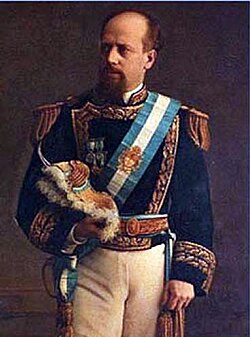
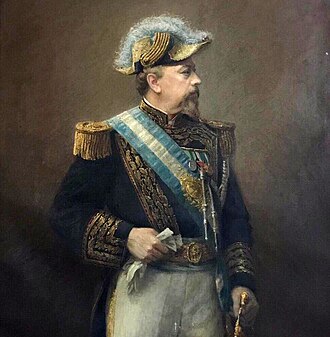
Born on July 17, 1843, in San Miguel de Tucumán, Roca rose through the ranks of the Argentine Army, eventually achieving the rank of Lieutenant General. His trajectory from a provincial youth to the highest office in the land reflects the consolidation of the Argentine state during a period of intense growth and internal conflict.
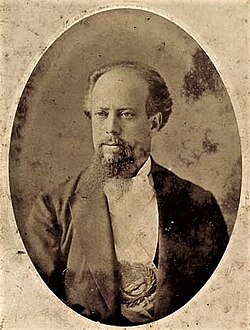
Key Facts
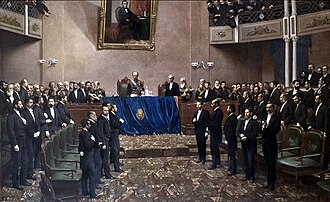
- Presidencies: Served as the 9th President (1880–1886) and 14th President (1898–1904).
- Political Affiliation: Member of the National Autonomist Party.
- Military Rank: Lieutenant General of the Argentine Army.
- Key Contributions: Expansion of national territories and modernization of the economy.
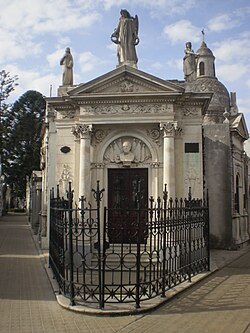
- Death: Passed away on October 19, 1914, and is buried in La Recoleta Cemetery.
Military and Political Ascent
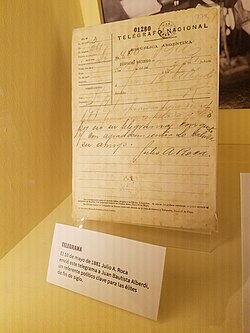
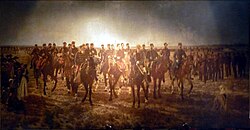
Roca's early career was defined by his service in the Argentine Army between 1856 and 1880. His military leadership provided the springboard for his political career, leading to his appointment as Minister of War and the Navy under President Nicolás Avellaneda from 1878 to 1879.
His political influence grew rapidly, and he eventually assumed the presidency for the first time in 1880, marking the beginning of an era dominated by the National Autonomist Party.
The First Presidency (1880–1886)
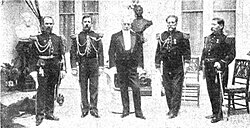
Roca's first term was characterized by a drive toward national organization and economic expansion. He focused heavily on public works and the professionalization of the state.
Economic and Monetary Policy
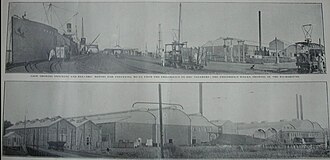
During this period, Argentina experienced a "period of great indebtedness," as the government borrowed heavily to fund infrastructure. However, this era also saw the birth of modern industrial exports. A pivotal moment occurred in 1883 with the installation of the first refrigeration plant in South America by the River Plate Fresh Meat Company in Campana, which allowed Argentina to export chilled meat to European markets.
Territorial Expansion and Education
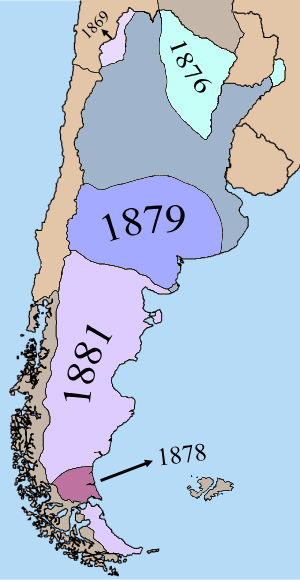
Roca is perhaps best known for the expansion of Argentine territory. Through the creation of national territories, the state extended its reach into previously uncontrolled regions. In the realm of culture, he promoted secular education and established statutes for national universities in 1885.
Interim Years and Second Presidency (1898–1904)
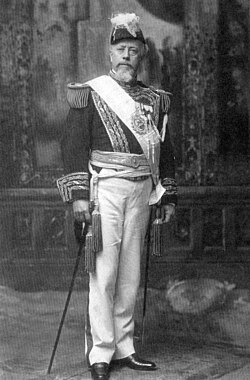
After his first term, Roca remained a central figure in politics, serving as Minister of the Interior under Carlos Pellegrini from 1890 to 1891. He returned to the presidency in 1898, though he appeared prematurely aged upon his second inauguration.
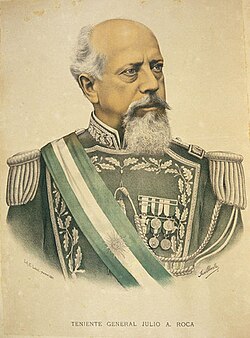
His second term focused on stabilizing the economy and refining foreign policy. He worked to resolve border disputes, including the Puna de Atacama conflict with Chile, which was settled via the Buchanan award in 1899. He also strengthened ties with Brazil and Chile, emphasizing regional diplomacy.
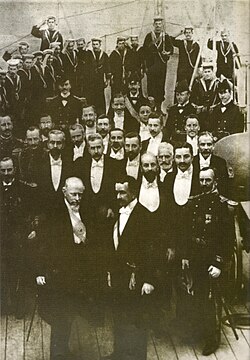
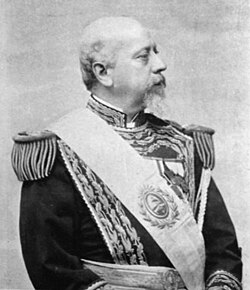
Later Years and Legacy
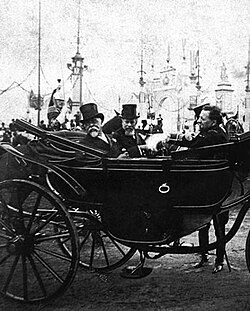
In his final years, Roca continued to serve the state. In 1912, President Roque Sáenz Peña appointed him as Special Ambassador to Brazil. He returned to Argentina shortly before his death on October 19, 1914, at the age of 71.
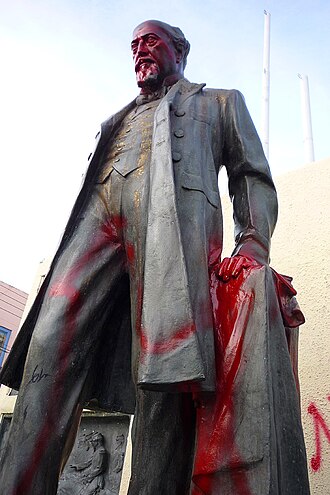
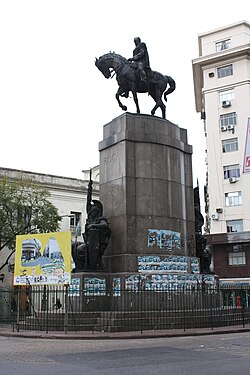
Roca's legacy is deeply polarized. While some view him as a founding father of the modern Argentine state, others criticize his military campaigns. In recent decades, "anti-Roca" currents have led to the removal of his name from schools and streets, and the vandalism of monuments, as critics label his territorial expansions as genocidal.
Summary of Presidential Terms
| Feature | First Term (1880–1886) | Second Term (1898–1904) |
|---|---|---|
| Vice President | Francisco Bernabé Madero | Norberto Quirno Costa |
| Economic Focus | Infrastructure & Refrigeration | Economic Stability & Prosperity |
| Key Achievement | Territorial Expansion | Diplomatic Border Resolutions |
| Preceded By | Nicolás Avellaneda | José E. Uriburu |
| Succeeded By | Miguel Ángel Juárez Celman | Manuel Quintana |
Frequently Asked Questions
How many times was Julio Argentino Roca president?
Julio Argentino Roca served as the President of Argentina twice: first from 1880 to 1886, and again from 1898 to 1904.
What was Roca's role in the Argentine economy?
Roca oversaw significant modernization, including the establishment of the first refrigeration plants in 1883, which enabled the export of meat to Europe, and the expansion of public works, though this was accompanied by a period of high national debt.
Why is Roca a controversial figure today?
While credited with state-building, Roca is criticized for his military campaigns to expand Argentine territory, which some historians and activists describe as genocidal toward indigenous populations.
What was the "Buchanan award"?
The Buchanan award was a legal resolution in March 1899 that settled a territorial dispute between Argentina and Chile regarding the Puna de Atacama.
Where is Julio Argentino Roca buried?
He is buried in the famous La Recoleta Cemetery in Buenos Aires.