Jacobite Rising of 1745: The Final Stuart Attempt to Reclaim the British Throne
The Jacobite rising of 1745, often referred to as "The Forty-Five," was a pivotal military campaign aimed at restoring the Stuart dynasty to the thrones of Scotland, England, and Ireland. Spanning from August 1745 to April 1746, this rebellion represented the last major effort by the Jacobites—supporters of the exiled House of Stuart—to overthrow the Hanoverian regime.
While often romanticized as a struggle for Scottish independence, the rising was driven by a complex web of ideological, religious, and political motivations. From the Highland clans to Irish exiles and disillusioned English Tories, the movement was a fragile coalition united by a common enemy but divided by their ultimate goals.
Key Facts
- Duration: 19 August 1745 – 20 April 1746.
- Primary Leader: Charles Edward Stuart (Bonnie Prince Charlie).
- Decisive Conflict: The Battle of Culloden (16 April 1746).
- Outcome: Decisive victory for the British Government.
- Key Drivers: Opposition to the 1707 Union, Stuart loyalism, and Catholic restoration goals.
The Roots of Rebellion
The unrest leading up to 1745 was not solely about royal bloodlines. In Scotland, significant opposition existed toward the 1707 Union, as many felt the loss of political autonomy was not offset by economic gains. This sentiment was particularly strong in Edinburgh and among indebted Highland chiefs.
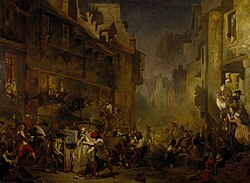
Social instability was further fueled by economic grievances, such as the malt tax riots of 1725 and the Porteous riots of 1737, which reflected a broader dissatisfaction with the London government's authority.
Ideological Divisions
Support for the rising was fragmented. While some were driven by Stuart loyalism, others were motivated by religious conviction. Non-Jurists—those who refused to swear allegiance to the Hanoverian kings—remained a potent force within the Scottish Episcopal Church. Meanwhile, Irish exiles sought the return of lands confiscated after the Irish Confederate Wars and the establishment of an autonomous, Catholic Ireland.
In England, support was more muted. Robert Walpole had successfully integrated many English Catholics into the regime, reducing the likelihood of a widespread English uprising.
The Campaign of Charles Edward Stuart
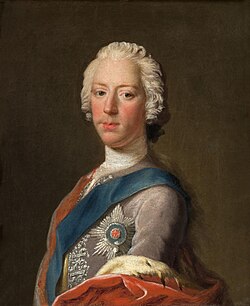
The rebellion was catalyzed by the Pacte de Famille (1743), an agreement between Louis XV of France and Philip V of Spain to cooperate against Britain. Although an initial French invasion attempt in 1744 was thwarted by severe storms, Charles Edward Stuart eventually made his way to Scotland in secret.
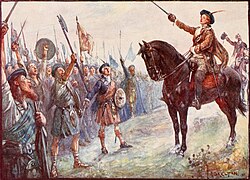
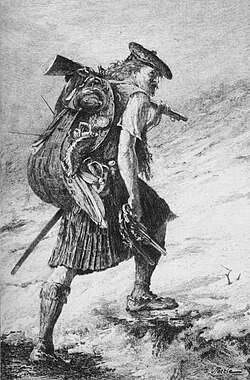
On 19 August 1745, Charles raised the Royal Standard at Glenfinnan. Initially supported by approximately 700 Highlanders, his force grew as they marched toward Perth. Under the military guidance of Lord George Murray, the army adopted traditional Highland structures to better suit its recruits.
Early Successes and the Invasion of England
The Jacobites achieved a stunning early victory at the Battle of Prestonpans on 21 September, scattering General John Cope's army in under 20 minutes. Following this, Charles entered Edinburgh, where his father, James, was proclaimed King of Scotland. To solidify support, Charles dissolved the "pretended Union" and rejected the Act of Settlement.
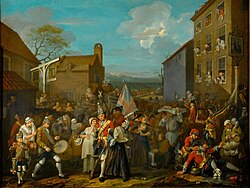
Emboldened, the Jacobites invaded England in November, capturing Carlisle after a brief siege. Their advance reached as far as Derby, causing panic in London and prompting the government to muster troops for the capital's defense.
The Road to Culloden
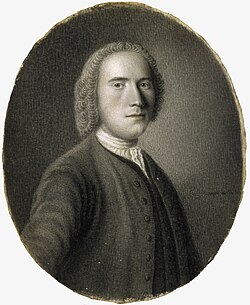
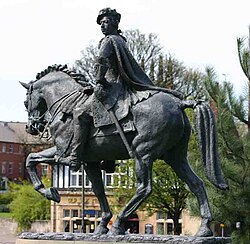
The momentum shifted as the Jacobite army retreated to Scotland. The Duke of Cumberland, commander of the British forces, advanced toward Inverness, squeezing the Jacobite resources. By April 1746, the Jacobites were plagued by shortages of food and money, leaving them in a desperate position.
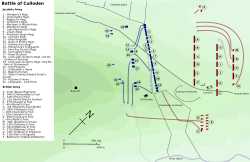
The conflict culminated on 16 April 1746, at the Battle of Culloden. This engagement, often cited as the last pitched battle on British soil, lasted less than an hour. The Jacobites, exhausted from a failed night attack and hampered by boggy terrain, were decimated by a well-equipped government force.
Casualties and Collapse
| Belligerent | Estimated Killed | Estimated Wounded/Prisoners |
|---|---|---|
| British Government | 50 | 259 wounded |
| Jacobites | 1,200 – 1,500 | 500 prisoners |
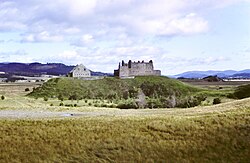
Following the defeat, survivors assembled at Ruthven Barracks before being ordered to disperse. Charles Edward Stuart evaded capture with the help of Flora MacDonald and eventually escaped to France in September 1746.
Aftermath and Legacy
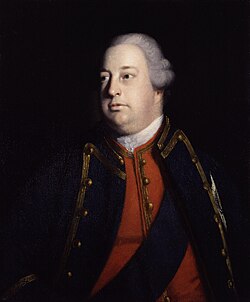
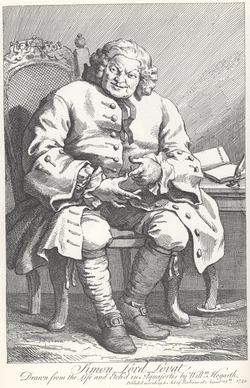
The aftermath was marked by severe reprisals. Several Jacobite lords, including Lovat, were beheaded. While the General Pardon Act of 1746 eventually released many prisoners, the political power of the Stuart cause was permanently broken.
The failure of the rising led to a period of decline for its leaders. Charles Stuart descended into alcoholism and lived in exile, while the Duke of Cumberland eventually resigned from the army. Over time, the image of "Bonnie Prince Charlie" shifted from a political threat to a romantic icon of Scottish history.
Frequently Asked Questions
What was the primary goal of the Jacobite rising of 1745?
The primary goal was to restore the House of Stuart to the British throne, specifically placing James Stuart (the "Old Pretender") or his son Charles Edward Stuart in power, replacing the Hanoverian dynasty.
Why did the Jacobites lose the Battle of Culloden?
The defeat was caused by several factors: the Jacobites were exhausted from a failed night attack, they were poorly supplied with food and money, and they were forced to fight on boggy ground that neutralized their traditional charge, facing a superior, well-trained government force.
Who was the Duke of Cumberland?
The Duke of Cumberland was the commander of the British government forces. He led the campaign that ended the rebellion at Culloden and was known for the severity of the subsequent crackdown on Jacobite supporters.
What role did France play in the rebellion?
France provided diplomatic and military encouragement through the Pacte de Famille. While they attempted to launch a full-scale invasion in 1744, it failed due to storms. However, they continued to provide a base of operations and support for Charles Stuart.
What was the significance of the 1707 Union in the rising?
Opposition to the 1707 Union was a major driver for Scottish support. Many Scots felt that the Union had stripped them of political control without providing the promised economic benefits, making them more open to the Stuart cause.