Clan Fraser of Lovat
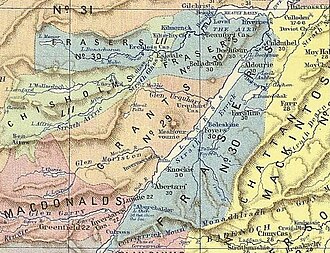
The Clan Fraser of Lovat is a distinguished Highland clan with a legacy defined by military prowess, political intrigue, and a deep connection to the lands of Inverness-shire. Known for their resilience and fighting spirit, the Frasers have evolved from their continental origins to become one of the most recognizable names in Scottish history.
From the rugged terrain of the Highlands to the battlefields of North America, the story of the Frasers is one of loyalty, rebellion, and eventual global diaspora. Today, the clan remains a vibrant community, maintaining strong ties to their ancestral seat and their storied past.
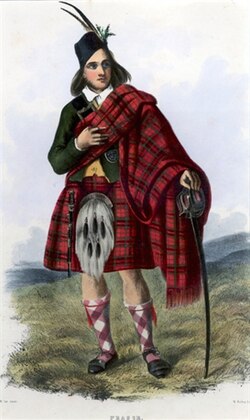
Key Facts
- Chief: The Rt Hon. Simon Fraser, 16th Lord Lovat (Mac Shimidh Mòr).
- Motto: Je suis prest ("I am ready").
- Historic Seat: Beaufort Castle, Inverness-shire.
- Plant Badge: French fraise (Strawberry).
- Animal Symbol: Stag.
- Crest: A buck's head, erased, Or, armed, Argent.
Origins and Early History
The surname Fraser first appears in Scottish records during the mid-12th century as "de Fresel," "de Friselle," and "de Freseliere." These records suggest an Angevin origin, linking the clan to the Anjou region of France. This connection was formally acknowledged in 1702 when Simon Fraser, 11th Lord Lovat, declared an alliance with the French Marquis de la Frézelière, claiming a common ancestry from the seigneurs de la Frézelière in Loigné-Sur-Mayenne.
During the reign of William the Lion (1165–1214), the Frasers were among several "Norman" families who immigrated to Scotland and were granted land, establishing their presence in the Scottish landscape.
The Wars of Scottish Independence
The clan rose to prominence during the struggle for independence. Sir Simon Fraser, known as "the Patriot," was a key ally to William Wallace and Robert the Bruce. He is celebrated for defeating the English at the Battle of Roslin in 1303 with 8,000 men. Sir Simon famously saved King Robert the Bruce's life on three separate occasions, an act of bravery commemorated by the three crowns found in the Lovat Arms.
While Sir Simon was eventually captured and executed by Edward I in 1306, his cousin, Sir Alexander Fraser of Touchfraser and Cowie, found greater success. Alexander fought at the Battle of Bannockburn in 1314, married the sister of King Bruce, and served as the Chamberlain of Scotland.
Clan Conflicts and Civil War
The 15th and 16th centuries were marked by intense territorial and political disputes. In 1544, the Frasers participated in the Battle of the Shirts (Blar-na-Léine) against the Clan Macdonald of Clanranald. This conflict resulted in a devastating ambush where 300 Frasers were attacked by 500 MacDonalds; only five Frasers survived, including the loss of the clan chief, Hugh Fraser, 3rd Lord Lovat.
By the 17th century, the clan was embroiled in the English Civil War. In 1649, Colonel Hugh Fraser led an assault on Inverness Castle during a royalist rising. However, the clan's loyalties remained divided; while some fought for the royalists, others, such as Sir James Fraser of Brea, defended the castle as Covenanters (supporters of the National Covenant) in 1650.
The Jacobite Risings and the 'Fox'
The 18th century brought the most turbulent era for the clan, dominated by the Jacobite risings—attempts to restore the House of Stuart to the British throne.
The Rising of 1715
Simon Fraser, 11th Lord Lovat, known as "the Fox," initially supported the British Government. He successfully surrounded the Jacobite garrison in Inverness and blocked attempts by Clan MacDonald of Keppoch to relieve them.
The Rising of 1745
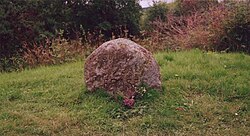
Lovat's loyalty shifted after he was stripped of his captaincy of the Independent Highland Companies and removed as High Sheriff of Inverness-shire by George II. Driven by revenge against the ministry, Lovat pledged his support to Charles Edward Stuart (Bonnie Prince Charlie). The Frasers fought on the front lines at the Battle of Falkirk and the catastrophic Battle of Culloden in 1746.
Military Legacy and the New World
Following the Jacobite defeat, the clan's military tradition transitioned toward service to the Crown. The 78th Fraser Highlanders were raised between 1757 and 1759 to fight in the Seven Years' War. Their knowledge of the French language proved pivotal during the Battle of the Plains of Abraham, aiding the capture of Quebec.
The clan's military contributions continued with the 71st Fraser Highlanders in North America and the Fraser Fencibles, raised to defend against Napoleon Bonaparte. In 1900, the Lovat Scouts were formed for the Second Boer War, later serving extensively in both World Wars.
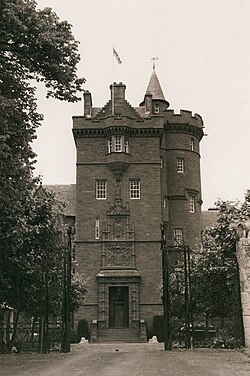
The Seat of the Clan: Beaufort Castle
The historic heart of the clan was originally Castle Dounie, which served as the chief's seat from the 13th century. After being destroyed following the Jacobite risings, the property was eventually recovered by the son of the 11th Lord Lovat. In 1882, the site was rebuilt as Beaufort Castle.
Beaufort Castle remained the seat of the chief until 1994, when the 15th Lord Lovat sold the estate to meet inheritance taxes. Despite the sale, the family continues to reside near Beauly.
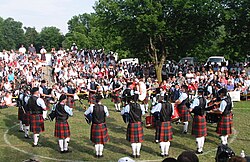
The Modern Clan and Global Diaspora
Today, the Clan Fraser is a global community with significant populations in Canada, the United States, Australia, and New Zealand. The clan's reach extends even further to South Africa, Argentina, Chile, and Brazil.
The strength of the clan's bond remains evident in their gatherings. In 1951, 7,000 Frasers mustered at Beaufort Castle, and a 1997 gathering at Castle Fraser attracted between 30,000 and 40,000 members from 21 different countries.
| Category | Details |
|---|---|
| Region | Highland (Inverness-shire) |
| Chief | The Rt Hon. Simon Fraser, 16th Lord Lovat |
| Allied Clans | Munro, Grant, Forbes |
| Rival Clans | Gordon, Logan, MacKenzie, MacDonell of Glengarry, Macdonald of Clanranald |
| Key Military Units | 78th Fraser Highlanders, 71st Fraser Highlanders, Lovat Scouts |
Frequently Asked Questions
Where did the name Fraser originate?
The name is believed to be of Angevin (French) origin, derived from the surname "Frézelière" or "de la Frézelière" from the Anjou region of France.
Who was Sir Simon Fraser "the Patriot"?
He was a key figure in the Scottish Wars of Independence who fought alongside William Wallace and Robert the Bruce, notably defeating the English at the Battle of Roslin in 1303.
Why did the 11th Lord Lovat support Bonnie Prince Charlie?
Despite previous government favors, Simon Fraser "the Fox" joined the Jacobites largely in revenge after the British government stripped him of his military captaincy and his office as High Sheriff.
What happened to Castle Dounie?
Castle Dounie was the original seat of the clan but was destroyed after the 11th Lord Lovat was executed for his role in the Jacobite cause. It was later replaced by Beaufort Castle in 1882.
Which military regiments are associated with the Frasers?
Notable regiments include the 78th Fraser Highlanders, the 71st Fraser Highlanders, the Fraser Fencibles, and the Lovat Scouts.