Islamist Uprising in Syria (1976–1982)
Between May 1976 and February 1982, Syria was gripped by a violent Islamist uprising. This period of instability was characterized by a series of protests, targeted assassinations, bombings, and armed revolts led by Sunni Islamists. The primary drivers of the insurgency were the Fighting Vanguard—a militant breakaway faction—and, from 1979 onward, the Muslim Brotherhood.
The ultimate goal of the uprising was to overthrow the neo-Ba'athist government and establish an Islamic republic. The Ba'ath Party, however, viewed these actions as a "long campaign of terror." The conflict eventually culminated in a decisive and brutal government victory, leaving a legacy of trauma that persisted for decades.
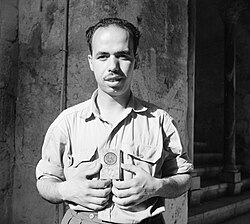
Key Facts
- Duration: May 31, 1976, to February 28, 1982.
- Primary Belligerents: The Syrian government (supported by the Soviet Union) against the Fighting Vanguard, Muslim Brotherhood, and pro-Iraqi Ba'athists (supported by Iraq, Jordan, and West Germany).
- Key Locations: Damascus, Hama, Aleppo, Palmyra, and Jisr ash-Shughur.
- Climax: The 1982 Hama massacre, resulting in 25,000 to 40,000 civilian deaths.
- Outcome: Syrian government victory; the Muslim Brotherhood was outlawed.
Roots of the Conflict
The 1963 Coup and Early Friction
The tension between the state and Islamist groups intensified following the 1963 Ba'ath Party coup. After seizing sole power, the party outlawed all organized opposition. This led to widespread protests, particularly in Hama, a city known as a stronghold of landed conservatism. The 1964 Hama uprising was met with brutal force by the Ba'ath Party, setting a precedent for future violence.
The Rise of Hafez al-Assad
On November 13, 1970, Hafez al-Assad seized power in a coup. A major crisis erupted on January 31, 1973, when Assad implemented a new constitution that removed the requirement for the president to be a Muslim. This sparked fierce demonstrations in Aleppo, Homs, and Hama, led by the ulama (Islamic scholars) and the Muslim Brotherhood, who declared Assad the "enemy of Allah."
Although Assad eventually restored the religious requirement and secured a fatwa from Lebanese cleric Musa al-Sadr stating that the Alawite minority was part of Shia Islam, the damage was done. The crisis bolstered the Fighting Vanguard, led by Marwan Hadid, as many Brotherhood members defected to this more militant faction.
The Escalation of Violence (1976–1982)
Clandestine Operations and the Aleppo Massacre
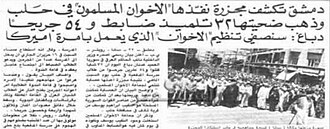
From 1976 to 1979, the insurgency operated primarily through clandestine cells. A turning point occurred on June 16, 1979, with the Aleppo artillery school massacre. Gunmen, acting under the orders of Fighting Vanguard commander 'Adnan 'Uqla, fired indiscriminately at cadets in a dining hall.
Nationwide Unrest and State Crackdown
By March 1980, strikes and protests paralyzed nearly every Syrian city. In Aleppo, the government responded with overwhelming force, deploying tens of thousands of troops, tanks, and helicopters, resulting in hundreds of deaths and thousands of arrests. Between 1979 and 1981, "hit teams" targeted Ba'ath party officials, Soviet advisors, and bureaucrats linked to the Assad family.
The state's retaliation was often indiscriminate. In one instance, following a failed attack on an Alawite village, the army executed approximately 400 randomly selected Sunni males over the age of 14 in Hama.
Assassination Attempts and Tadmor Prison
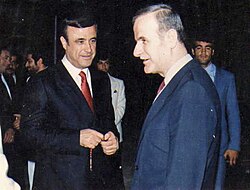
On June 27, 1980, Hafez al-Assad narrowly survived an assassination attempt involving gunfire and grenades. The retaliation was immediate: the next day, Rifaat al-Assad's defense companies flew into Tadmor prison and executed hundreds of Brotherhood-affiliated prisoners. By July 8, membership in the Muslim Brotherhood was declared a capital offense.
The Hama Massacre and the End of the Uprising
The insurgency reached its end in February 1982. After the Brotherhood seized control of Hama on February 2, the Syrian military responded with a month-long siege. The army bombed the city, destroying nearly 70% of its infrastructure and killing between 25,000 and 40,000 people, the vast majority of whom were innocent civilians.
This event effectively crushed the Muslim Brotherhood as a political and military force within Syria for the next three decades.
Summary of the Conflict
| Category | Details |
|---|---|
| Primary Goal | Overthrow Ba'athist government to establish an Islamic republic |
| Key Leaders (Opposition) | Marwan Hadid, 'Adnan 'Uqla, Ali al-Bayanouni |
| Key Leaders (Government) | Hafez al-Assad, Rifaat al-Assad, Mustafa Tlass |
| Major Events | Aleppo Artillery School Massacre, Tadmor Prison executions, Hama Massacre |
| Foreign Support | Opposition: Iraq, Jordan, West Germany | Government: Soviet Union |
Aftermath and Legacy
Following the suppression of the revolt, the Muslim Brotherhood remained without a physical presence in Syria until the 2011 revolution against Bashar al-Assad. In later years, Brotherhood leader Ali Sadreddine Bayanouni stated that the group had shifted its goal from an Islamic republic to a "civil, democratic state." The regime's collapse in December 2024 was viewed by some rebel leaders as a final cleansing of the "wound" left by the 1982 Hama massacre.
Frequently Asked Questions
What was the Fighting Vanguard?
The Fighting Vanguard was a militant breakaway faction of the Muslim Brotherhood that led the armed insurgency against the Syrian government, focusing on guerrilla warfare and targeted assassinations.
Why was the 1973 Constitution so controversial?
The 1973 Constitution was controversial because it initially removed the requirement that the President of Syria must be a Muslim, which the opposition viewed as an attack on the country's Islamic identity.
What happened during the Hama massacre of 1982?
After the Muslim Brotherhood took control of Hama, the Syrian military bombed the city for nearly a month, destroying most of the city and killing between 25,000 and 40,000 people.
Who were the primary international supporters of the uprising?
The uprising received support from Iraq, Jordan, and West Germany, while the Syrian government was supported by the Soviet Union.
How did the government respond to the assassination attempt on Hafez al-Assad?
The government responded by executing hundreds of prisoners at Tadmor prison and making membership in the Muslim Brotherhood a capital offense.