Infantry: The Evolution of Ground Combat Soldiers
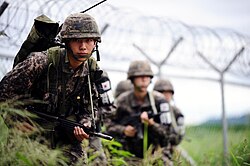
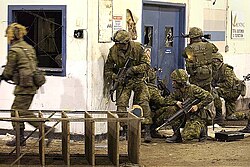
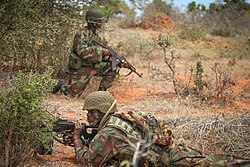
Infantry refers to soldiers who specialize in ground combat, typically fighting dismounted. Historically, the term described foot soldiers—those who march and fight on foot. While the core mission of seizing and holding ground remains constant, the role of the infantryman has evolved from loose groups of hunters into highly specialized components of modern combined arms operations.
In contemporary military structures, infantry encompasses a wide array of subspecialties, including light, irregular, heavy, mountain, motorized, mechanized, airborne, air assault, and naval infantry. While some historical types, such as line infantry and mounted infantry, have fallen out of favor due to the development of powerful, accurate weaponry, the infantry remains the pivotal element of any land force.
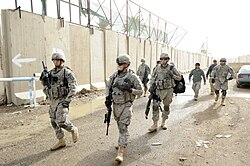
Key Facts
- Definition: Soldiers who specialize in ground combat, primarily fighting on foot.
- Historical Precedence: Infantry were the first military forces in human history.
- Core Role: The primary force responsible for taking and holding ground on the battlefield.
- Equipment Load: A modern soldier's kit can weigh between 25 and 45 kg (60–100 lb).
- Evolution: Transitioned from melee weapons to gunpowder, and eventually to integrated mechanized and air-mobile systems.
Etymology and Terminology
The English term "infantry" appeared around the 1570s, derived from the Middle French infanterie and the Italian/Spanish infanteria. These roots trace back to the Latin īnfāns (meaning "without speech" or "newborn"), originally referring to soldiers too inexperienced for the cavalry. The specific term "infantryman" was not coined until 1837.
Terminology often reflects a unit's specific weaponry. For example, grenadiers were named for their use of grenades, and fusiliers for their use of fusils. Some modern units, such as the Grenadier Guards, retain these names as a matter of tradition long after the original weapon specializations have changed.
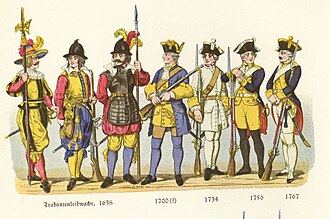
The History of Foot Soldiers
Ancient and Classical Warfare
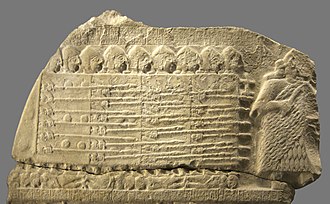
The earliest warriors used improvised melee weapons or hunting tools in unorganized groups. By 2500–1500 BC, the first ancient empires developed regular infantry—soldiers with standardized equipment and the discipline required for complex battlefield maneuvers. Before the invention of the chariot around 2000 BC, all armies consisted entirely of infantry.
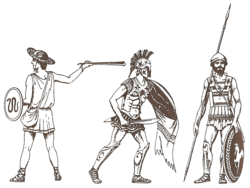
In the Western world from Classical Antiquity through the Middle Ages, infantry were divided into heavy and light categories. Heavy infantry relied on armor and solidity, while light infantry provided flexibility and ranged support.
The Middle Ages to the Renaissance
Following the fall of Rome, heavy cavalry (such as knights) dominated the battlefield, supported by peasant militias. However, the late Middle Ages saw a resurgence of professional infantry. Swiss pikemen and German Landsknechts utilized dense pike formations to repel cavalry charges.
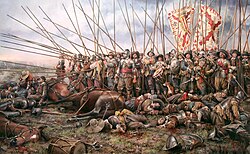
The Gunpowder Revolution
The introduction of gunpowder fundamentally altered infantry tactics. Crossbows gave way to hand cannoneers, arquebusiers, and eventually musketeers. By the mid-17th century, the use of bayonets allowed musketeers to defend themselves against cavalry, replacing the pike square with the infantry square.
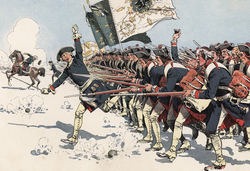
As firearms became more accurate and powerful in the 19th century, the traditional "line infantry" formations diminished, and most soldiers effectively became light infantry, focusing on cover and firepower.
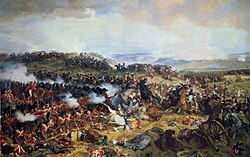
Equipment and Weaponry
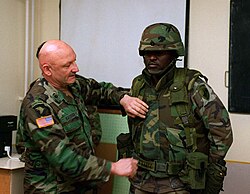
An infantryman's "military kit" is designed for self-sufficiency during operations away from a base. This includes combat boots, uniforms, camping and survival gear, rations, water canteens, and hygiene items. A critical tool is the entrenching tool (a folding spade), used for digging defenses and various daily tasks.
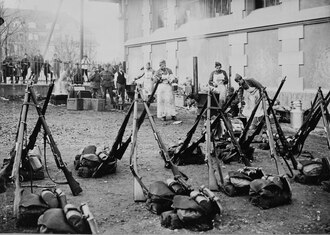
The physical burden of this gear has remained remarkably consistent over centuries. Roman legionaries were known as "Marius' mules" due to the heavy loads they carried, a tradition that continues today with modern soldiers carrying 25–45 kg.
Weapon Categories
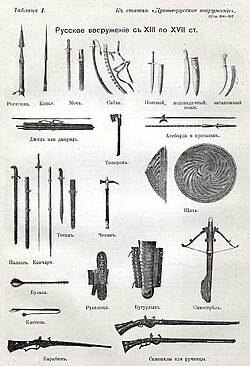
- Ranged Weapons: Historically included javelins, bows, and muskets; modern versions include rifles and grenades.
- Secondary Weapons: Sidearms such as swords, daggers, or modern pistols used for close-quarters combat.
- Crew-Served Weapons: Heavy equipment operated by a team, ranging from ancient ballistas and trebuchets to modern machine guns and anti-tank missiles.
Tactics and Organization
The effectiveness of infantry often depends on formations—coordinated tactical arrangements that increase battlefield efficiency. In the era of heavy infantry, maintaining a solid formation was often the deciding factor in a battle.
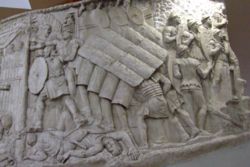
Organization has also evolved toward a hierarchical structure. Egyptian records from the Battle of Kadesh (c. 1274 BC) show units grouped in ratios (50, 250, 1,000, and 5,000), a precursor to the modern system of squads, companies, and regiments.
Modern Specializations
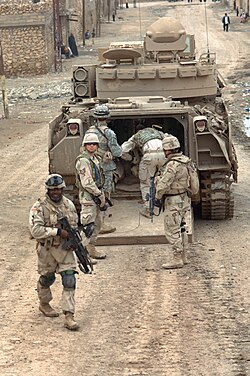
Today, infantry are integrated into combined arms operations, utilizing various transport and deployment methods:
- Motorized/Mechanized: Using vehicles or armored fighting vehicles (IFVs) for mobility.
- Airborne/Air Assault: Deployed via parachute or helicopter.
- Naval Infantry: Specialized for amphibious operations.
Summary of Infantry Evolution
| Era | Primary Role | Key Weaponry | Typical Formation |
|---|---|---|---|
| Ancient | Regular/Irregular Foot Soldiers | Spears, Bows, Slings | Phalanx / Loose Groups |
| Middle Ages | Heavy/Light Infantry | Pikes, Longbows, Swords | Pike Squares / Skirmish lines |
| Early Modern | Line Infantry | Muskets, Bayonets | Linear Formations / Squares |
| Modern | Combined Arms Specialists | Assault Rifles, ATGMs, Mortars | Squad-based / Dispersed |
Frequently Asked Questions
What is the difference between light and heavy infantry?
Historically, heavy infantry wore significant armor and used weapons for shock combat and holding lines, while light infantry focused on mobility, scouting, and ranged attacks with less protective gear.
What were dragoons?
Dragoons were originally mounted infantry who used horses for rapid travel but dismounted to fight on foot. Over time, they evolved to be trained as both cavalry and infantry.
Why is the entrenching tool so important?
The entrenching tool, typically a folding spade, is essential for digging defensive positions (foxholes), performing daily camp tasks, and can occasionally be used as a weapon of last resort.
How much gear does a modern infantryman carry?
Depending on the mission and equipment, a soldier's total load typically ranges from 25 to 45 kg (60 to 100 lb).
What is mechanized infantry?
Mechanized infantry are soldiers transported into combat by armored fighting vehicles, providing them with greater mobility and protection than traditional foot soldiers.