Hurricane Ida: The Path and Impact of a Category 4 Major Storm
Hurricane Ida was one of the most devastating tropical cyclones of the 2021 Atlantic hurricane season. A powerful Category 4 major hurricane, Ida caused widespread destruction across the Caribbean and the United States, leaving a trail of catastrophic wind damage and record-breaking rainfall. From its rapid intensification in the Gulf of Mexico to its final stages as an extratropical cyclone in the Northeast, Ida demonstrated the immense power of nature.
The storm is remembered not only for its wind speeds but for its lethal rainfall, which caused severe flash flooding far from the initial landfall site. Due to the scale of its impact, the name Ida has been officially retired from future Atlantic hurricane naming lists.
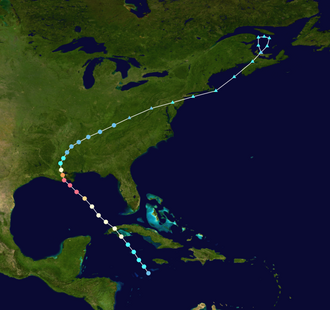
Key Facts
- Peak Intensity: Category 4 hurricane with maximum sustained winds of 150 mph (240 km/h).
- Lowest Pressure: 929 mbar (hPa).
- Total Fatalities: 112 (60 direct, 52 indirect).
- Economic Cost: Approximately $75.3 billion (2021 USD).
- Landfall: Struck Louisiana on August 29, 2021, as a major hurricane.
- Historical Rank: The seventh-costliest tropical cyclone on record and the fifth-costliest in U.S. history.
Meteorological History
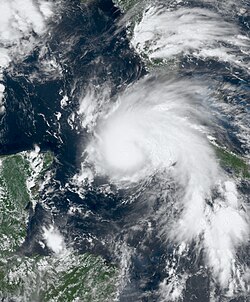
Hurricane Ida formed on August 26, 2021. After moving through the Caribbean, the storm entered the Gulf of Mexico, where it underwent rapid intensification—a process where a tropical cyclone's maximum sustained winds increase significantly in a short period. By August 28, the storm had reached major hurricane status.

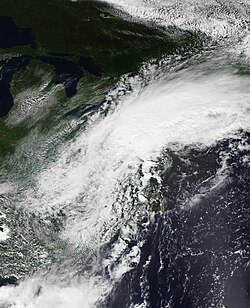
The storm reached its peak intensity just before making landfall in Louisiana on August 29. After moving inland, Ida weakened but continued to move northeast. By September 1, it transitioned into an extratropical cyclone—a low-pressure system that has lost its tropical characteristics but can still produce severe weather—as it moved over the Northeastern United States. The system finally dissipated on September 5, 2021.
Path of Destruction
The Caribbean and Cuba
Before reaching the U.S. mainland, Ida impacted the Caribbean. It made its first landfall in Cuba late on August 27, bringing heavy rains and wind to the region.
Louisiana and the Gulf Coast
The most severe wind damage occurred in Louisiana. The storm made landfall at Port Fourchon on August 29, featuring a complex structure where an outer eyewall surrounded the inner eyewall. The storm's intensity caused massive power outages, affecting over one million people in Louisiana, and damaged critical energy transmission lines.

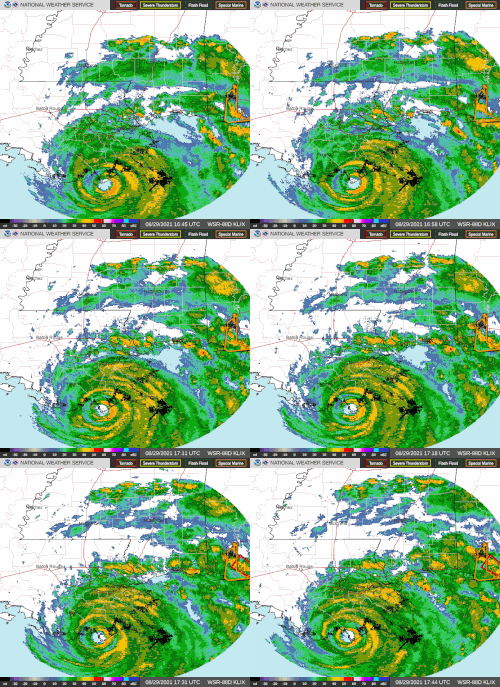
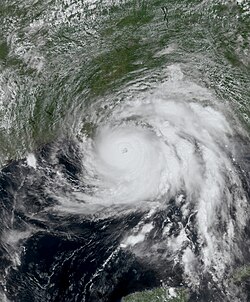
In addition to wind, the storm caused significant flooding. While the New Orleans levees largely held, several suburbs experienced flooding. The agricultural sector was hit hard, with estimated losses of $584 million. The devastation was so severe that parts of Grand Isle were rendered uninhabitable.
The Northeastern United States
As the remnants of Ida moved into the Mid-Atlantic and Northeast, the primary threat shifted from wind to water. The system produced a tornado outbreak and catastrophic flash flooding across Pennsylvania, New Jersey, and New York.
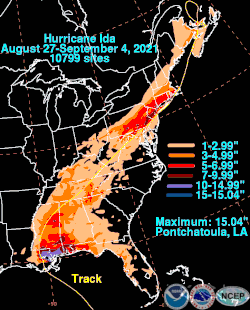
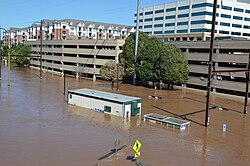
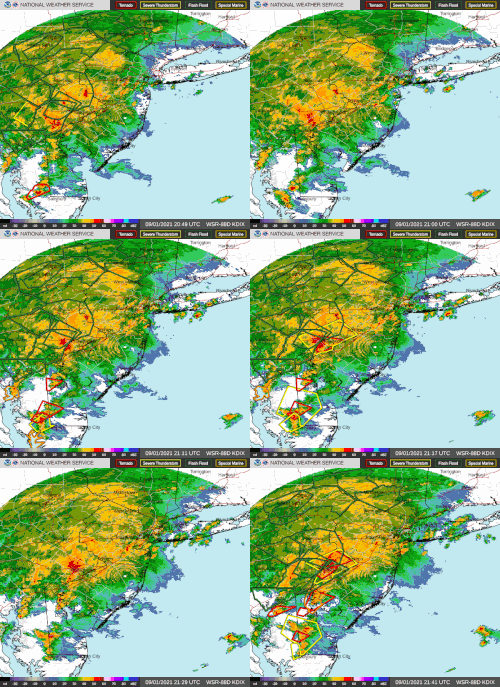
In New York City, the flooding was so intense that it inundated many subway tunnels, forcing the Metropolitan Transportation Authority (MTA) to shut down large portions of its system. New Jersey suffered some of the highest casualty rates in the Northeast due to sudden, severe flooding.


Impact Summary
The human and financial toll of Hurricane Ida was immense. While Louisiana suffered the most significant wind and structural damage, the Northeast faced a deadly crisis of flash flooding.

| State | Total Fatalities | Direct Fatalities | Indirect Fatalities | Estimated Damage |
|---|---|---|---|---|
| Louisiana | 30 | 4 | 26 | $55 billion |
| New Jersey | 32 | 29 | 3 | $8–10 billion |
| New York | 18 | 17 | 1 | $7.5–9 billion |
| Pennsylvania | 5 | 0 | 5 | $2.5–3.5 billion |
| Other (MS, AL, MD, CT) | 5 | 0 | 5 | N/A |
| Total | 92 | 60 | 32 | $73–77.5 billion |
Frequently Asked Questions
What was the maximum wind speed of Hurricane Ida?
Hurricane Ida reached peak sustained winds of 150 mph (240 km/h), classifying it as a Category 4 major hurricane on the Saffir-Simpson scale.
Why did the Northeast experience flooding if the storm hit Louisiana?
After making landfall in Louisiana, Ida weakened but remained a potent weather system. As it moved northeast, it transitioned into an extratropical cyclone, carrying immense amounts of moisture that triggered record-breaking rainfall and flash floods in the Mid-Atlantic and Northeast.
How does Ida rank among the costliest U.S. hurricanes?
With damages estimated at $75.3 billion, Hurricane Ida is the fifth-costliest hurricane in United States history.
What happened to the name Ida?
Due to the catastrophic nature of the storm and the significant loss of life and property, the name Ida has been retired and will not be used for future Atlantic hurricanes.
Which state suffered the most fatalities?
Based on the provided data, New Jersey suffered the highest number of total fatalities with 32 deaths, primarily due to direct flooding impacts.