Hulegu Khan: Founder of the Ilkhanate and Conqueror of Baghdad
Hulegu Khan (c. 1217 – February 8, 1265), also known as Hülegü or Hulagu, was a formidable Mongol ruler and the grandson of Genghis Khan. As the son of Tolui and the influential Keraite princess Sorghaghtani Beki, Hulegu was born into the heart of the Borjigin house. He is best remembered as the founder of the Ilkhanate, a Mongol state in West Asia, and for leading some of the most devastating military campaigns of the 13th century.
Key Facts
- Role: Founder of the Ilkhanate and grandson of Genghis Khan.
- Major Conquests: The fortress of Alamut, the city of Baghdad, and large parts of Syria.
- Defining Event: The 1258 Siege of Baghdad, which ended the Abbasid Caliphate.
- Military Turning Point: The Battle of Ain Jalut (1260), which halted Mongol expansion into Egypt.
- Family: Brother to Möngke and Kublai Khan.
- Death: Died February 8, 1265, on the banks of the Zarrineh River.
Early Life and Rise to Power
Born around 1217 in Mongolia, Hulegu's early years are sparsely documented, though records indicate he met his grandfather, Genghis Khan, in 1224 alongside his brother Kublai. He grew up in a household of immense power and strategic intellect, guided by his mother, Sorghaghtani Beki.
In 1253, by order of the Great Khan Möngke, Hulegu was entrusted with a massive military force—estimated at two-tenths of the entire empire's fighting men—to conquer West Asia. This army was perhaps the largest ever assembled by the Mongols.
The Conquest of West Asia and the Fall of Alamut
Hulegu arrived in Transoxiana in 1255. His early campaigns saw the swift destruction of the Lurs and the surrender of the Assassins. The Assassins held the legendary, impregnable fortress of Alamut, but they surrendered in early 1256 after a deal was struck to spare their people.
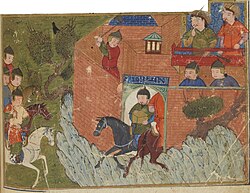
Following this victory, Hulegu established Azerbaijan as his primary power base. By 1257, his army had become a diverse coalition, incorporating Muslims and Christians from across Europe, the Middle East, and mainland Asia.
The Siege of Baghdad (1258)
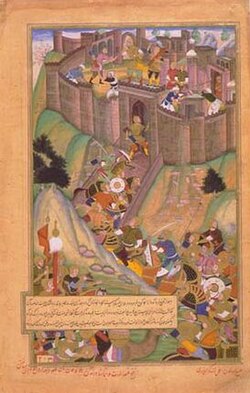
In November 1257, Hulegu marched toward Baghdad, the seat of the Abbasid Caliphate. He divided his forces to trap the city between the east and west banks of the Tigris River. When Caliph Al-Musta'sim refused to surrender, the Mongols utilized advanced siege tactics, including the breaking of dikes to flood the land and trap the Caliph's army.
Under the leadership of Chinese general Guo Kan, the Mongols constructed palisades and used catapults to breach the walls. By February 10, 1258, Baghdad surrendered. What followed was a week of unprecedented destruction. The Bayt al-Hikmah (Grand Library of Baghdad), a world-renowned center of medicine and astronomy, was destroyed.
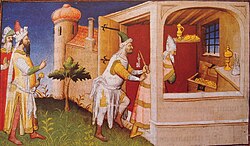
Death toll estimates vary wildly, from 90,000 to as many as one million people. The Caliph was captured and, according to most historical accounts, executed by being rolled in a rug and trampled by horses—a method used to avoid spilling royal blood on the earth. While the city suffered a severe decline, some historians note that Hulegu ordered the city rebuilt and libraries reopened within two years.
Expansion into Syria and the Battle of Ain Jalut
In 1260, Hulegu allied with Christian vassals, including King Hethum I of Armenia and Bohemond VI of Antioch. Together, they captured Aleppo and Damascus. In Damascus, a Christian Mass was celebrated in the Umayyad Mosque, marking a significant religious shift in the region.
![Hulegu and Queen Doquz Qatun depicted as the new Constantine and Helen in a Syriac bible.[13][14]](/images/e9/aa/e9aa1240558a28e33c165b176aedb40a68a6b8729ac2e17f3bf09b6c1fb0089e.jpg)
Hulegu intended to push toward Cairo, but food shortages and the death of Great Khan Möngke forced him to withdraw the bulk of his army to Iran. He left a tumen (a unit of 10,000 men) under the command of the Christian general Kitbuqa.
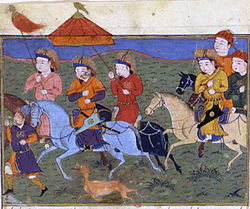
This smaller force was intercepted by the Mamluk Sultan Qutuz and the leader Baybars at the Battle of Ain Jalut in the Jezreel Valley. Using hit-and-run tactics and a sophisticated ambush, the Mamluks surrounded and annihilated the Mongol force. This defeat marked the high-water mark of the Mongol conquests, as it permanently blocked their path into Egypt.
Civil War and Diplomatic Efforts
Upon returning to his lands in 1262, Hulegu found himself embroiled in a civil war with Berke Khan of the Golden Horde. Berke, a Muslim convert, was outraged by the sack of Baghdad and allied with the Mamluks against Hulegu. This conflict, featuring raids led by Nogai Khan, represented the first open war between Mongol factions and signaled the end of the unified Mongol Empire.
Despite these internal conflicts, Hulegu attempted to forge external alliances. In 1262, he sent a letter to King Louis IX of France proposing a joint effort to capture Jerusalem for the benefit of the Pope in exchange for a French fleet against Egypt.
Personal Life and Death
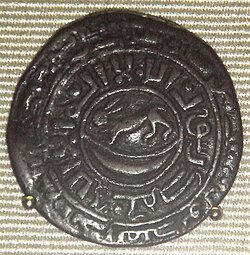
Hulegu had a complex family life with fourteen wives and concubines, resulting in at least 21 children. Among his principal wives were Doquz Khatun and Yesunchin Khatun.
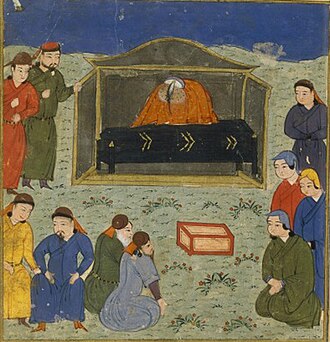
Hulegu fell seriously ill in January 1265 and died on February 8 on the banks of the Zarrineh River. He was buried on Shahi Island in Lake Urmia. Notably, his funeral was the only Ilkhanate ceremony to include human sacrifice. To this day, his tomb has never been located.
Summary of Hulegu Khan's Reign
| Category | Details |
|---|---|
| Reign | 1256 – 1265 |
| Dynasty | Hulaguid (Founder of the Ilkhanate) |
| Key Military Victories | Alamut (1256), Baghdad (1258), Damascus (1260) |
| Major Defeat | Battle of Ain Jalut (1260) |
| Religion | Buddhism |
| Successor | Abaqa Khan |
Frequently Asked Questions
How did Hulegu Khan capture Baghdad?
Hulegu used a combination of strategic positioning, flooding the land by breaking dikes to trap the army, and employing Chinese engineers to build siege engines and catapults to breach the city walls.
What was the significance of the Battle of Ain Jalut?
The Battle of Ain Jalut was a decisive victory for the Mamluks of Egypt. It was the first time a Mongol advance was permanently halted in the field, establishing a limit to their westward expansion.
Who was the Ilkhanate?
The Ilkhanate was a Mongol state founded by Hulegu Khan in the southwestern part of the Mongol Empire, covering much of modern-day Iran, Iraq, and parts of Turkey and Syria.
What happened to the Caliph Al-Musta'sim?
After the fall of Baghdad, the Caliph was captured. Most historians believe he was executed by being rolled in a rug and trampled by horses to ensure that royal blood did not touch the ground.
Did Hulegu Khan have any allies in Europe?
While he did not establish a formal alliance, he attempted to contact King Louis IX of France in 1262, offering to capture Jerusalem for the Pope if France provided a fleet to attack Egypt.